Although it’s only September 2nd, the days have already begun growing colder. As I am doing my homestead chores in the 50 degree mornings, I am rather quickly reminded that I need to get serious about preparing for the cold fall and winter months. My mind quickly darts to a couple of things that I need to do…this year, we have added hives to the apiary, which means that I need to buy additional thermal insulated wraps for the new hives. Additionally, I need to start switching their feed from 1:1 ration (sugar:water) to 2:1.
Please take it from me, these simple adjustments, as well as a few others, can help your bees not only survive but thrive through fall and winter. This post will guide you through essential beekeeping tips and tricks to keep your honey bees cozy and healthy when the temperature drops. Whether you’re a seasoned homesteader or just starting out, these practical steps for winterizing hives will make the process straightforward and rewarding.
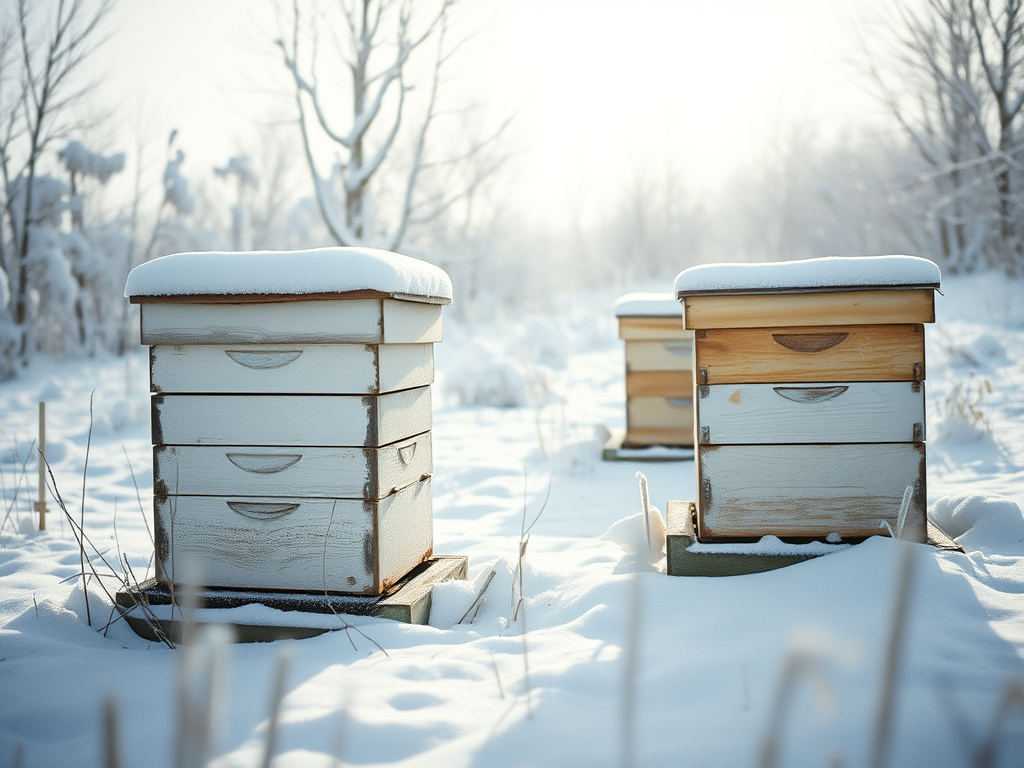
Essential Hive Preparations
Fall beekeeping involves several key tasks to set your hives up for success. Start by assessing the overall health of your colonies and making necessary adjustments.
- Inspect your hives thoroughly, looking for signs of disease or pest infestations (think varroa mites, hive beetles, wax moths, etc)
- Ensure your queen is healthy and actively laying eggs to maintain a strong winter population.
- Remove any excess honey supers, leaving enough honey stores for the bees to survive winter. This is to ensure that the bees have only the room that they need. Remember, all of the drones will be kicked out of the hive, the remainder of the workers have the responsibility to keep the queen warm and alive. Too much space in the hive can become problematic.
Mama on the Homestead suggests reducing the hive entrance to prevent drafts and deter pests. This simple step can significantly impact your bees’ ability to regulate hive temperature.
Insulating for Cold Weather
Proper insulation is key to keeping your bees warm and dry during winter. While bees can generate their own heat, providing extra protection helps conserve their energy.
Consider wrapping your hives with insulation materials like tar paper or foam board. This extra layer helps retain heat and block wind. Honey bee supply stores often sell the insulation wraps that I lovingly refer to as my bees’ coats. If you use them, please ensure that they don’t cover the entrance. Honey bees will still venture out sparingly on cold days!
Ventilation remains important even in cold weather. An excellent idea is to Install a moisture board or quilt box at the top of the hive to absorb excess moisture and prevent condensation from dripping onto the bees.
Galena Farms recommends tilting hives slightly forward to allow any moisture to drain out, further protecting your bees from dampness.
Feeding and Nutrition Strategies

Ensuring your bees have access to adequate food sources throughout winter is vital for their survival. Every year, I see amateur beekeepers post pictures on beekeeping forums, asking why their honey bees have died. Sadly, it’s often because their honey bees starved to death during the course of the winter. This is a completely avoidable tragedy; let’s explore some effective feeding strategies and nutritional considerations that will help you to avoid that outcome.
Supplements for Healthy Bees
While natural honey is the best food for bees, sometimes supplemental feeding is necessary to help colonies make it through winter.
Sugar syrup is a common supplement, typically made with a 2:1 ratio of sugar to water for fall feeding. This thicker syrup mimics honey and helps bees build up their winter stores quickly.
Some beekeepers also provide pollen substitutes to ensure bees have access to protein. These can be especially helpful if natural pollen sources are scarce in your area.
Remember that timing is crucial when it comes to feeding. Asheville Bee Charmer advises completing any syrup feeding before temperatures consistently drop below 50°F (10°C). Once the temperatures drop lower, I start feeding them a “candy board”. The candy board is a hardened sugar-based feed that is placed on top of the honey bee colony’s winter cluster in order to provided much needed food and nutrition. Since the candy board is located under the cover of the hive, the honey bees don’t have to venture into the cold in order to find the nutrition to sustain their colony.
Monitoring Hive Weight
Regularly checking the weight of your hives can give you valuable insights into your bees’ food stores.
A healthy hive should weigh between 100-150 pounds going into winter. If your hives feel light, it may be necessary to provide additional food.
One simple method to estimate hive weight is the “tip test.” Gently lift the back of the hive – if it feels too light or easy to lift, your bees may need more food.
Keep in mind that bees cluster together and move slowly in cold weather, so they need easy access to their food stores. Ensure honey frames are positioned close to the cluster.
Protecting Against Pests and Disease
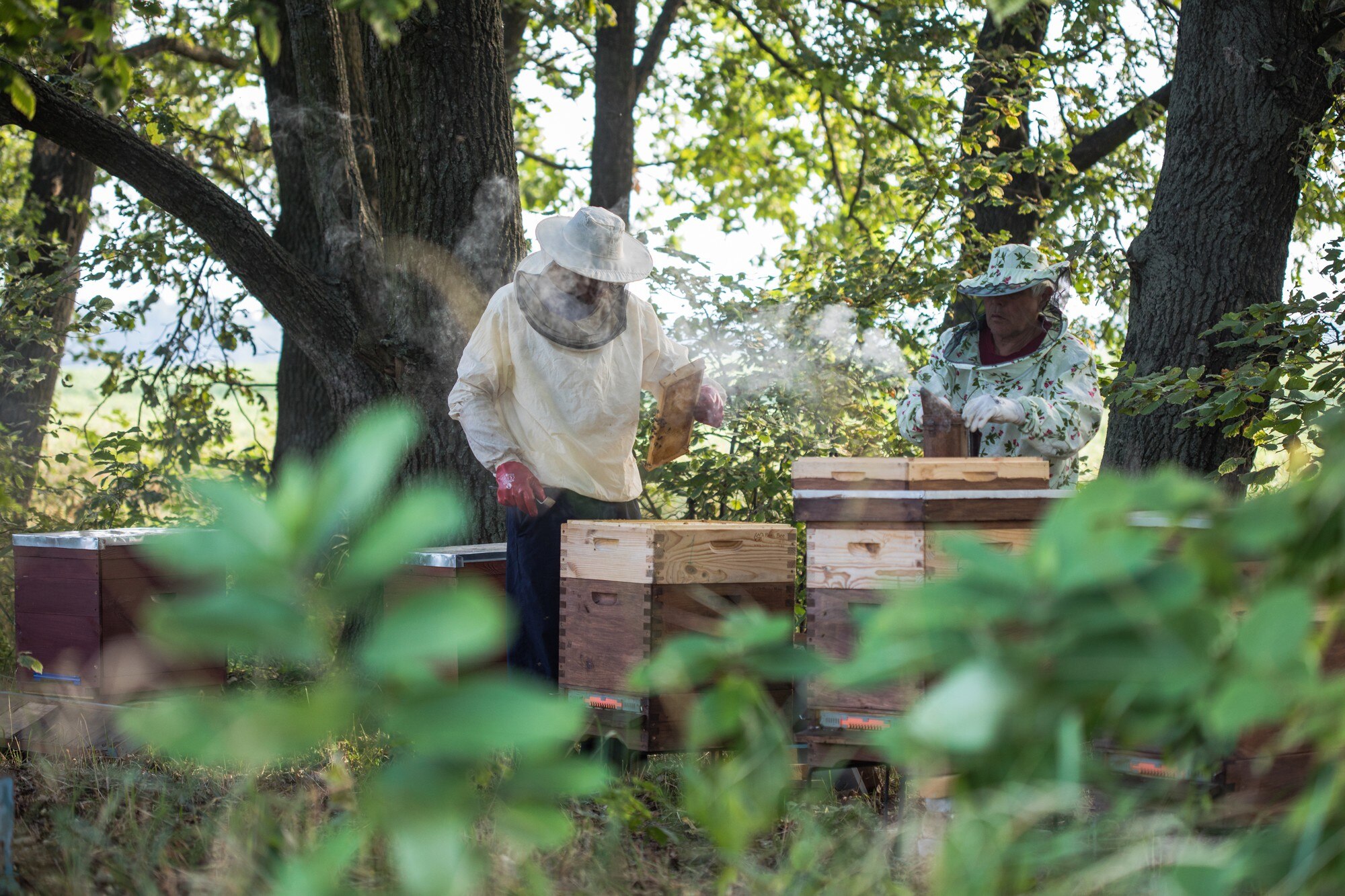
Winter can be a vulnerable time for bee colonies. Taking proactive steps to guard against pests and diseases can greatly improve your hives’ chances of survival.
Identifying Common Threats
Varroa mites remain one of the biggest threats to honey bee colonies. These parasites can weaken bees and make them more susceptible to diseases.
Other common winter pests include:
- Small hive beetles
- Wax moths
- Mice seeking warm shelter
Nosema, a fungal disease, can also be particularly problematic in winter when bees are confined to the hive for long periods.
Regular hive inspections, even during winter on warmer days, can help you catch and address these issues early.
Effective Beekeeping Tips
Implementing good beekeeping practices year-round can help prevent many winter problems before they start.
- Treat for varroa mites in late summer or early fall, before winter bees are produced.
- Keep hives off the ground to reduce moisture and deter pests.
- Use entrance reducers or mouse guards to keep out unwanted visitors.
- Maintain clean equipment and replace old comb regularly to reduce disease risk.
This helpful video demonstrates several practical techniques for winterizing hives and protecting against common threats.
Remember, each hive is unique, and what works best can vary depending on your local climate and specific conditions. Regular observation, patience, and a willingness to adapt your approach are key to successful winter beekeeping. Lastly, work with your mentor to better understand how to help your hives make it through the winter. Any advice that you can glean will only set you up for success in the months that lie ahead!

Leave a Reply