
Benefits of Chickens on the Homestead
Backyard Chickens: What You Should Know Before Getting Started
Startup Costs: What Raising Chickens Really Costs
Common Beginner Mistakes When Starting Chickens
Choosing Between Hens, Roosters, or Both
Choosing Chicken Breeds
Choosing the Right Chicken Breeds for You: A Beginners Guide
The Best Egg-Laying Chicken Breeds for Beginners
A Weekend in the Coop: Practical Chicken Care Tips for Happy Birds
Spending a weekend with your chickens can be a rewarding adventure, filled with clucks, feathers, and a whole lot of love. Whether you’re a seasoned homesteader or just starting out with your flock, ensuring your chickens are happy and healthy is a top priority. From chicken coop maintenance to spotting the telltale chicken health signs, there’s always something new to learn. We’ll cover practical chicken care tips that make your weekend chores feel less like work and more like a chance to bond with your birds. Plus, we’ll chat about the ins and outs of poultry nutrition and fun ways to enrich your chickens’ environment, making every moment with them a joyful one.
Keeping your chicken coop in tip-top shape is key to having happy, healthy birds. Let’s dive into the basics of coop maintenance that’ll make your weekend chores a breeze.
Cleaning and Bedding Refresh
A clean coop is a happy coop. Start by removing old bedding and droppings. This not only keeps things tidy but also helps prevent the buildup of harmful bacteria.
Next, give the coop a good scrub with a natural cleaner. You don’t need harsh chemicals; a mix of vinegar and water works wonders. Pay extra attention to nesting boxes and perches where chickens spend most of their time.
Finally, lay down fresh bedding. Straw or wood shavings are great options. They’re comfy for your chickens and make future cleanups easier.
Routine Food and Water Checks
Your chickens need fresh food and water daily. It’s not just about filling containers; it’s about ensuring they’re clean and working properly.
Check waterers for any cracks or leaks. Clean them thoroughly to prevent algae growth. For feeders, remove any old or wet food that could spoil.
Don’t forget to refill with fresh water and a balanced chicken feed. Your birds will thank you with happy clucks and healthy eggs!
Collecting Eggs and Observing Behavior
Egg collection is more than just gathering breakfast. It’s a chance to check on your flock’s health and happiness.
When you collect eggs, take a moment to observe your chickens. Are they active? Eating well? Any unusual behavior?
Keep an eye out for signs of stress or illness. A happy chicken is an active, curious bird. If something seems off, it’s better to catch it early.
Spotting Chicken Health Signs
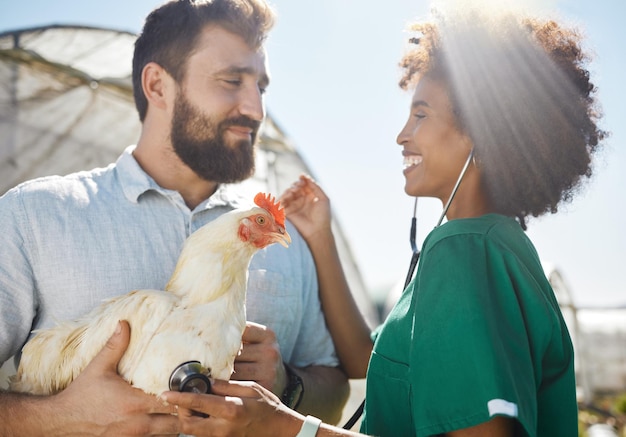
Keeping your flock healthy is crucial. Let’s explore how to spot common health issues and take preventative measures.
Common Illness Symptoms
Chickens can’t tell us when they’re feeling under the weather, so it’s up to us to spot the signs. Keep an eye out for changes in behavior or appearance.
A healthy chicken is active, has bright eyes, and smooth feathers. If you notice a bird looking droopy, with ruffled feathers or watery eyes, it might be sick.
Other signs to watch for include:
- Reduced egg production
- Changes in droppings (look for signs of coccidia)
- Swollen face or wattles
- Sneezing or coughing
- Check for signs of mites
Preventative Health Measures
Prevention is always better than cure when it comes to chicken health. Regular check-ups can catch issues before they become serious problems.
Start with a good vaccination program. Your local vet can advise on which vaccines are necessary for your area.
Keep your coop clean and dry. Moisture and dirty conditions are breeding grounds for parasites and diseases.
Lastly, quarantine new birds before introducing them to your flock. This helps prevent the spread of any potential illnesses.
Creating an Enriching Chicken Environment
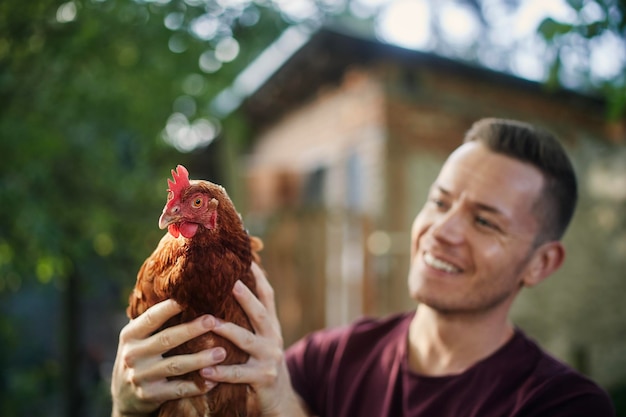
Happy chickens are productive chickens. Let’s look at how to create an environment that keeps your flock content.
Importance of Proper Poultry Nutrition
Just like us, chickens need a balanced diet to thrive. The right nutrition keeps them healthy and laying plenty of eggs.
A good chicken feed should be the main part of their diet. Look for feeds that are appropriate for your chickens’ age and purpose (laying hens vs. meat birds).
Don’t forget treats! Chickens love variety. Offer them kitchen scraps like veggie peels or grains. Just remember, treats should only make up about 10% of their diet.
Fun Ways to Engage with Your Flock
Chickens are curious creatures that love to explore. Providing enrichment activities keeps them happy and prevents boredom.
Try hanging a cabbage or lettuce for them to peck at. It’s like a piñata for chickens! They’ll have a blast jumping and pecking to get their treat.
Another fun idea is to create a dust bath area. Chickens love to roll in dirt to keep clean and cool. Fill a shallow container with a mix of sand and wood ash for them to enjoy.
Lastly, spend time with your flock. Talk to them, offer treats by hand, and let them follow you around the yard. This bonding time is fun for you and great for their well-being.