Starting your homesteading adventure is like opening a new chapter filled with surprises, challenges, and endless lessons from Mother Nature herself. Whether you’re dreaming of tending to your own garden, raising chickens, or managing livestock, there are a few things you should know before you roll up your sleeves. First off, nature isn’t something you can control, and every aspiring homesteader learns that lesson sooner or later. Next, be ready for hard work in homesteading because everything tends to take more effort than you’d expect. Finally, don’t be afraid of failing in homesteading—it’s just part of the learning process and can lead to some of your most valuable insights.

Nature has its own plans, and homesteaders quickly learn that trying to control it is like trying to catch the wind. Let’s explore the challenges that come with nature’s unpredictability and how it affects gardening.
Nature Control Challenges
When it comes to homesteading, nature often has the upper hand. Weather patterns can be erratic, pests can appear out of nowhere, and plants might decide to grow in unexpected ways.
One day, you might have a thriving garden, and the next, a sudden frost could wipe out your crops. It’s important to remember that nature doesn’t follow our schedules or plans.
Adapting to these challenges is key. Instead of fighting against nature, successful homesteaders learn to work with it, observing patterns and adjusting their strategies accordingly.
Gardening Challenges and Surprises
Gardening is full of surprises, both good and bad. You might plant tomatoes expecting a bountiful harvest, only to find that your soil isn’t quite right for them.
On the flip side, you could discover that a plant you thought wouldn’t thrive in your climate ends up flourishing beyond your wildest dreams. These unexpected outcomes are part of the joy and frustration of gardening.
Learning to embrace these surprises can make your homesteading journey more enjoyable. Every challenge is an opportunity to learn and grow, just like your plants!
The Unexpected Hard Work

Homesteading isn’t for the faint of heart. It requires dedication, perseverance, and a whole lot of elbow grease. Let’s dive into the realities of hard work in homesteading and managing your land and animals.
Hard Work in Homesteading
Homesteading is often romanticized, but the reality is that it involves a significant amount of physical labor and time commitment. From dawn to dusk, there’s always something that needs attention.
You might start your day feeding animals, move on to weeding the garden, then spend hours preserving your harvest. And that’s just a typical day! The work never really ends on a homestead.
But there’s a silver lining to all this hard work. The satisfaction of seeing your efforts pay off in the form of fresh eggs, homegrown vegetables, or a well-maintained property is unparalleled.
Managing Livestock and Gardens
Balancing the needs of your animals and your garden can feel like juggling flaming torches sometimes. Both require constant care and attention, and neglecting one for the other can lead to problems.
Livestock needs regular feeding, cleaning, and health checks. Gardens require watering, weeding, pest control, and harvesting. And let’s not forget about maintenance tasks like fence repairs or coop cleaning.
The key is to develop efficient systems and routines. This might involve rotating pastures for your animals or implementing companion planting in your garden to maximize space and minimize pest issues.
Embracing Failure as a Teacher
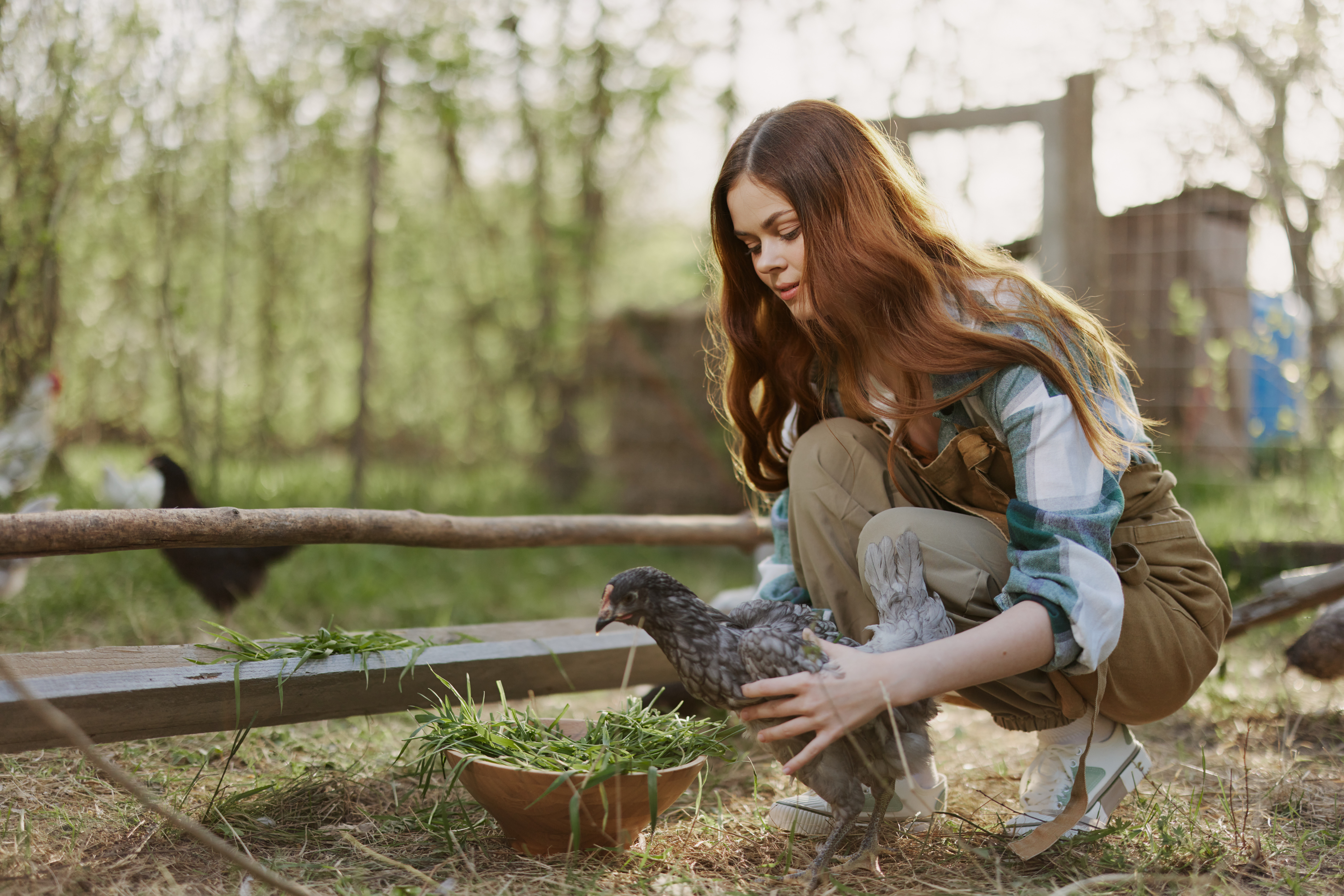
In homesteading, failure isn’t just possible; it’s inevitable. But don’t let that discourage you! Failure can be your greatest teacher if you approach it with the right mindset.
Failing in Homesteading
Failure in homesteading can take many forms. Maybe your first batch of pickles turns out too salty, or your chicken coop design doesn’t quite keep the predators out.
These setbacks can be frustrating, especially when you’ve invested time and resources. But remember, every experienced homesteader has a long list of failures behind them.
The important thing is to view these failures as learning opportunities. Each mistake teaches you something valuable that you can apply to future projects.
Learning Through Trial and Error
Trial and error is the name of the game in homesteading. You might try several different gardening methods before finding the one that works best for your soil and climate.
This process of experimentation is how you’ll discover what works best for your unique situation. What works for a homesteader in a different region might not work for you, and that’s okay.
Keep a journal of your successes and failures. This record can be invaluable as you refine your techniques over time. And don’t be afraid to ask for advice from more experienced homesteaders or join online communities for support.
Remember, every homesteader was once a beginner. With patience, persistence, and a willingness to learn, you’ll find your way. And don’t forget to check out helpful resources to guide you on your journey!

Leave a Reply