Last year, getting a pet bunny was definitely not on my bingo card. One warm July morning, I packed up chicks and ducklings into separate crates and headed off to our local chicken swap, hoping to find new homes for our extra hatches.
I set up early, arranging my little crates in neat rows. Before long, another vendor pulled in and began unloading her own collection: a crate full of baby white rabbits, plus enclosures of ducks and a rather odd assortment of chickens. As neighbors at events often do, we struck up conversation off and on throughout the morning.
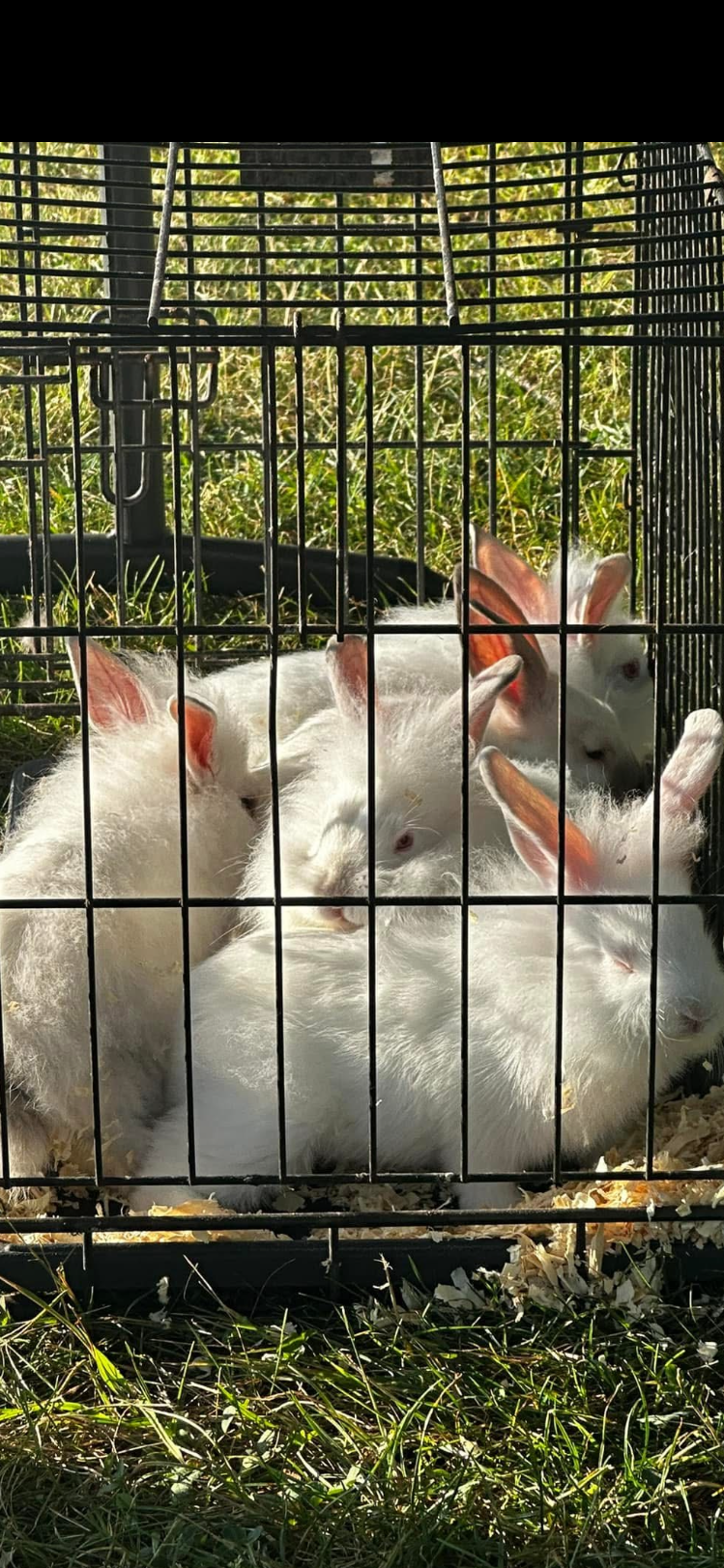
By midday, I had sold all of my chicks and ducklings and was waiting for a buyer to return with a crate to transport them in. With nothing left to do but wait, I turned to the woman beside me and asked the question that would change the course of my day:
“So, tell me about the bunnies.”
She smiled and asked if I wanted to hold one. I said yes. And just like that—I was done for.
Five dollars later, I was walking out of that chicken swap as the proud owner of a fluffy, baby bunny. I named her Honey Bunny on the spot and couldn’t have been happier.
The Secret Bunny
There was just one small problem: my husband. He was off hiking the Appalachian Trail at the time, and I knew he would not approve of a surprise pet bunny waiting at home. Still, I couldn’t resist.
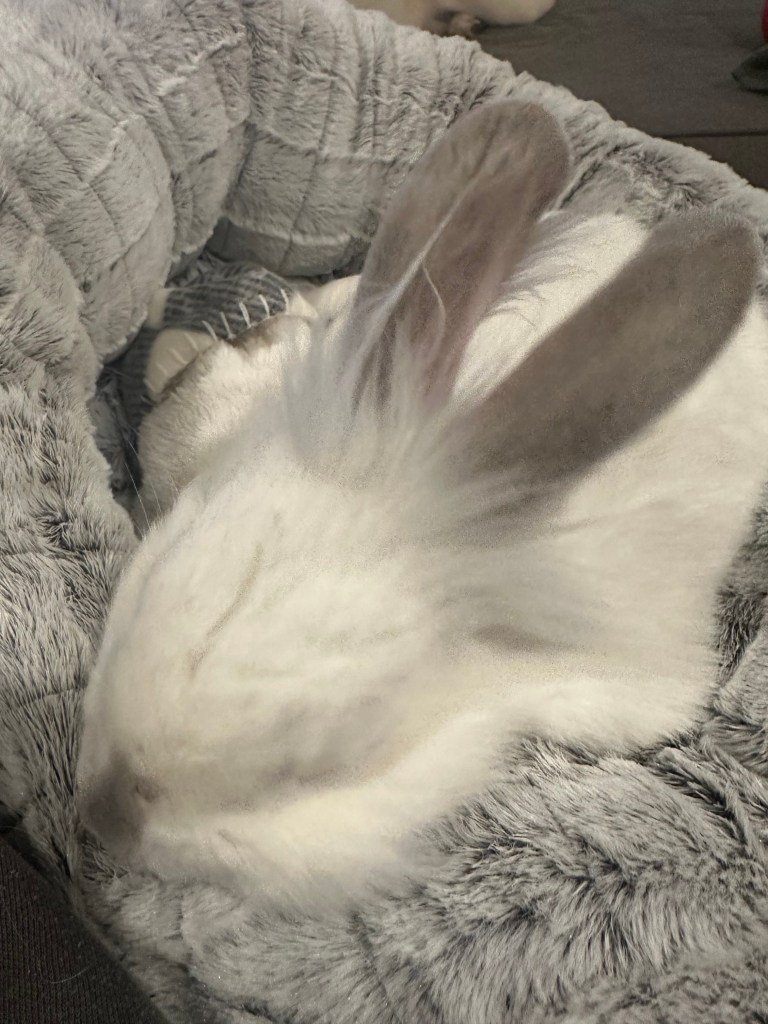
As it turned out, Honey Bunny wasn’t a “her” at all, but a “him.” Once we figured that out, we renamed him Bunner (and honestly, it fits him perfectly). Today, Bunner sees the vet regularly, is neutered, and has grown into a bunny with the most amazing personality.
My Vet’s Reaction
When I took Bunner to his first veterinary appointment, my vet seemed… less than thrilled that I had purchased a rabbit at a chicken swap. Through her disappointment, she shared advice that I wish I had known earlier—and I think it’s worth passing along to anyone considering bringing home a bunny from a similar event.
Health First
Chicken swaps are usually informal events, and the animals sold there don’t always go through the same kind of health checks you’d find at a pet store or through a reputable breeder. That means the responsibility is on you to look closely at the rabbit before you buy.
A healthy bunny should have:
- Bright, clear eyes
- A clean nose with no discharge
- Soft, smooth fur with no bald patches or mats
- An active, alert personality
Avoid rabbits that seem lethargic, sneeze, or have dirty bottoms. Even if the bunny looks healthy, it’s a smart idea to quarantine them for at least 30 days before introducing them to other pets.
The Mystery Factor
One of the biggest challenges with swap rabbits is the lack of background information. Sellers may not know the bunny’s exact age or breed, which can impact care and expectations.
- Age matters: Baby rabbits should stay with their mothers until at least 8 weeks old. Very young rabbits are more fragile.
- Breed matters: A “mini” rabbit may grow much larger than you expect if it isn’t truly a dwarf breed.
- Socialization matters: Rabbits not handled often may be shy or harder to bond with at first.
Questions to Ask Before You Buy
If you’re tempted by a rabbit at a swap, be sure to ask the seller:
- How old is the rabbit?
- What breed (or mix) is it?
- What has it been eating so I can continue that diet?
- Has it been handled often?
- Have you noticed any health problems?
If the seller can’t answer these questions clearly, take that as a sign to pause and reconsider.
What You’ll Need Right Away
Bringing home a rabbit is more than just carrying away a cute cage. They need proper housing, diet, and care from day one.
- Housing: Rabbits need a large, safe space—not just a small wire cage. They thrive with room to run and explore.
- Diet: A rabbit’s diet should be mostly hay (like timothy), with fresh greens and a small amount of pellets. Transition new foods slowly to avoid stomach upset.
- Vet visit: Schedule a check-up with a rabbit-savvy veterinarian soon after bringing them home.
And as my vet reminded me, rabbits aren’t short-term pets—they can live 8 to 12 years.
Lessons Learned
I absolutely adore Bunner and can’t imagine our homestead without him. But looking back, I know my spur-of-the-moment decision could have gone very differently.
What started as an ordinary day at a chicken swap ended with a new member of our family—one I never expected, but now can’t imagine life without. Sometimes the best stories come from surprises… as long as you’re willing to learn from them.

Leave a Reply