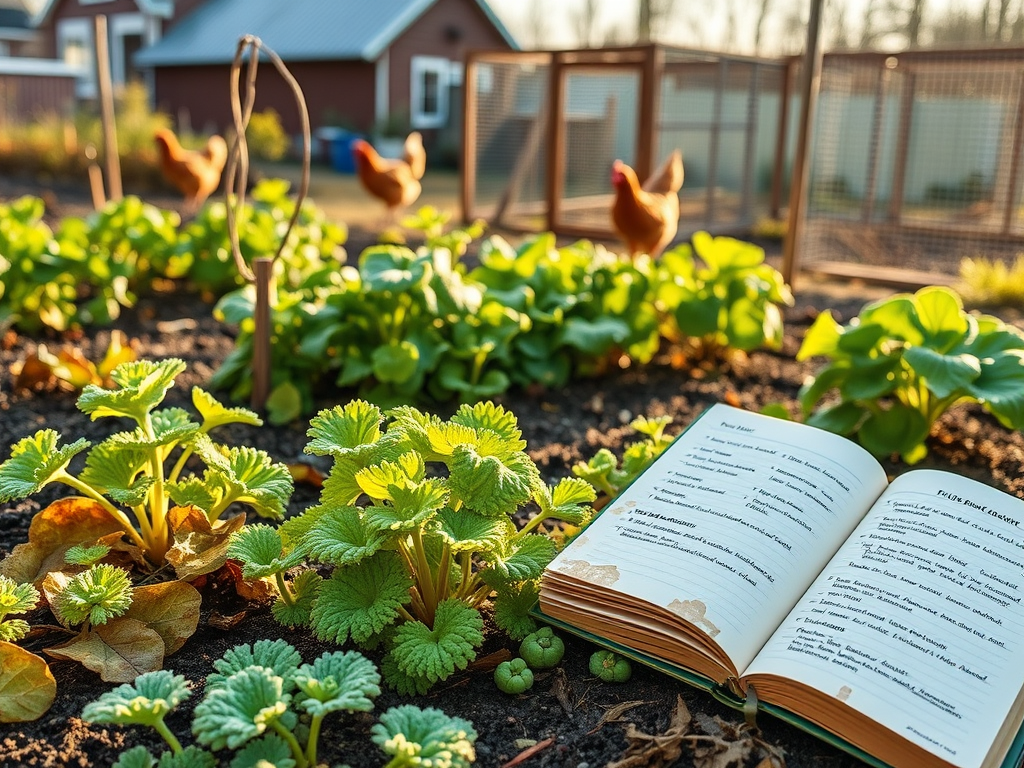
You plant your seeds, nurture them with care, and then bam! an unexpected frost wipes them out. Sound familiar? In the world of homesteading, setbacks are just part of the story. From crop loss to predators sneaking into the chicken run, each challenge offers valuable homesteading lessons. But here’s the bright side: with every mistake, you’re not just recovering; you’re growing resilience. Ready to turn these hiccups into stepping stones? Let’s dive into how learning from mistakes can lead to sustainable success. For more insights on managing failures and losses on your homestead, check out this helpful post from Homestead Mamas.
Learning from Mistakes

Learning from mistakes is a crucial part of the homesteading journey. It’s not about avoiding errors altogether, but about using them as stepping stones to improvement.
Turning Crop Loss into Knowledge
Crop loss can be disheartening, but it’s also a chance to learn and adapt. When faced with unexpected frosts or pest invasions, take notes on what went wrong and research solutions.
Consider keeping a detailed garden journal to track weather patterns, planting dates, and crop performance. This information can help you make better decisions in future seasons.
Don’t be afraid to experiment with new techniques or varieties after a loss. For example, if late frosts are common in your area, try cold-hardy varieties or use season extenders like row covers.
Remember, even experienced gardeners face setbacks. The key is to view these challenges as opportunities for growth and learning.
Chicken Run Tips for Newbies
Setting up a chicken run can be tricky, especially for beginners. Predators, escape artists, and maintenance issues are common challenges.
Start by researching proper fencing options. Hardware cloth is often recommended for its durability and small openings that keep predators out.
Consider the layout of your run carefully. Ensure it provides adequate space, shelter, and enrichment for your chickens. This can help prevent stress-related issues and escape attempts.
Regular maintenance is crucial. Check for signs of digging or damage to the fencing daily. For more chicken run tips, check out this helpful video from Grey and Briana.
Growing Resilience
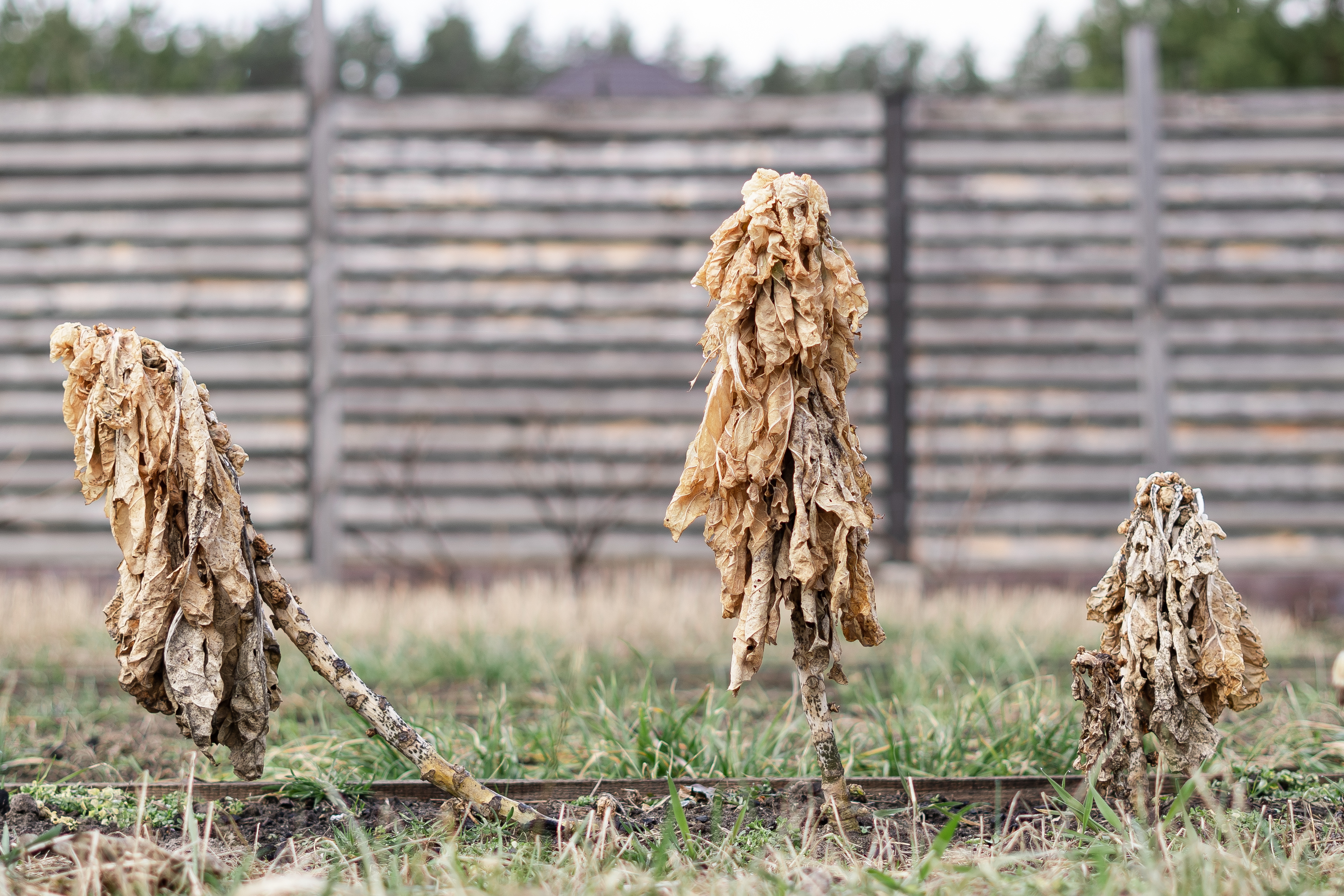
Resilience is a key trait for successful homesteaders. It’s about bouncing back from setbacks and using them to become stronger and more prepared.
Preparing for Loss in Homesteading
Preparing for potential losses is an important part of homesteading. It helps minimize the impact of setbacks and allows for quicker recovery.
Start by diversifying your crops and livestock. This spreads out your risk, so if one area faces challenges, others can compensate.
Build emergency funds or stockpile resources. This can include extra feed, seeds, or materials for repairs.
Remember, preparation isn’t about pessimism; it’s about being ready to face challenges head-on.
Building Sustainable Living Practices
Sustainable living practices are at the heart of resilient homesteading. They help create a system that can withstand challenges and recover quickly.
Focus on creating closed-loop systems where outputs from one area become inputs for another. For example, use chicken manure as fertilizer for your garden.
Implement water conservation techniques like rainwater harvesting or drought-resistant landscaping. This can help your homestead weather dry spells more effectively.
Invest in renewable energy sources if possible. Solar panels or wind turbines can provide energy independence and resilience against power outages.
Remember, sustainability is a journey, not a destination. Keep learning and adapting your practices over time.
Homesteading Lessons for Success
Success in homesteading often comes from a combination of learning from mistakes and applying those lessons effectively.
Adapting to Challenges with Confidence
Adapting to challenges is a crucial skill for homesteaders. It’s about facing problems head-on and finding creative solutions.
Start by reframing challenges as opportunities for growth. Instead of getting discouraged by a failed crop, see it as a chance to try new varieties or techniques.
Be flexible in your approach. If one method isn’t working, be willing to try something new. This might mean changing your garden layout, trying different animal breeds, or adjusting your daily routines.
Stay informed about best practices and new developments in homesteading. Join online communities, attend workshops, or subscribe to homesteading magazines for ongoing education.
Remember, confidence comes from experience. Each challenge you overcome adds to your skillset and prepares you for future success.
Sharing Stories and Building Community
Sharing your homesteading journey, including both successes and failures, can be incredibly valuable for building community and collective knowledge.
Start by connecting with other homesteaders in your area or online. Share your experiences and listen to theirs. You might find solutions to problems you’re facing or offer help to others.
Consider starting a blog or social media account to document your homesteading journey. This can help others learn from your experiences and connect you with a wider community.
Participate in local farmers’ markets or homesteading events. These are great opportunities to share knowledge, swap resources, and build relationships with like-minded individuals.
Remember, building community isn’t just about getting help; it’s about creating a network of mutual support and shared learning.

Leave a Reply