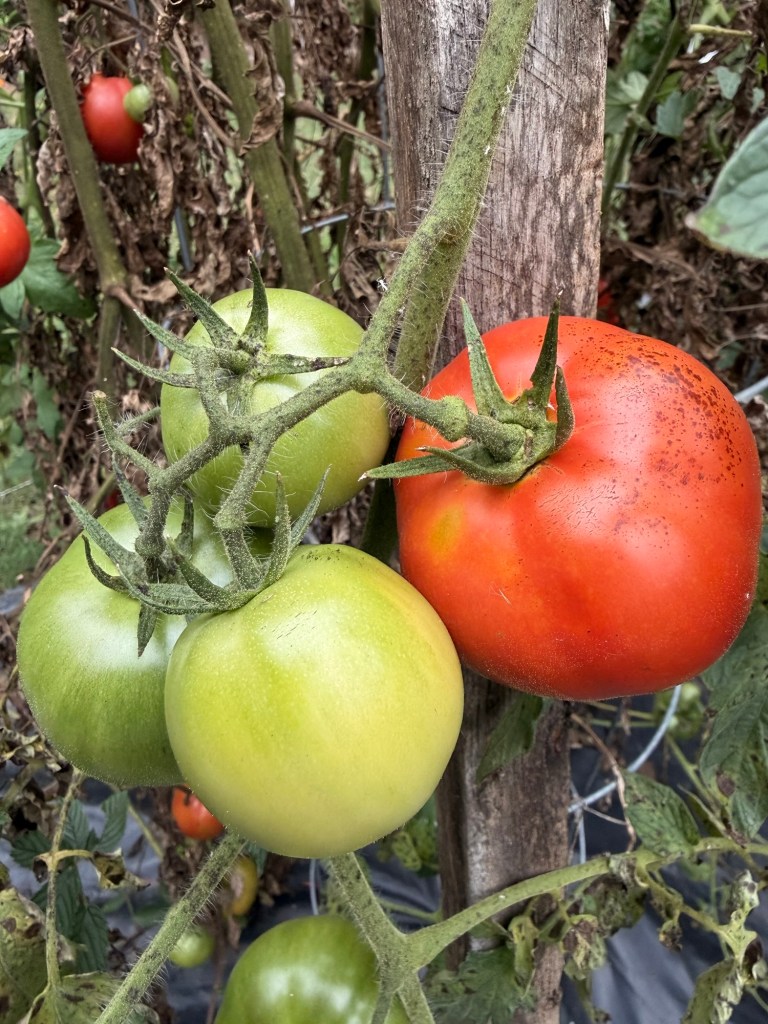
Tomatoes are the crown jewel of the summer garden. But as autumn approaches and the first frost looms, many gardeners wonder: how can I keep my tomato plants producing just a little longer? With a few simple strategies, you can extend your harvest, enjoy fresh tomatoes deep into fall, and even prep your plants for a final bumper crop.
In this guide, we’ll walk through late season tomato care, from frost protection to smart pruning techniques, so you can make the most of your plants before winter sets in.
1. Know Your Frost Date
The first step is understanding your region’s average first frost date. In many areas, this can range from mid-September to late October. Check your USDA Plant Hardiness Zone Map or your local extension office for precise dates.
By knowing when frost is likely to arrive, you can plan your late-season tomato care and decide whether to push for a few more weeks of harvest or begin preserving green tomatoes indoors.
2. Protect Tomatoes From Cold Nights
As nights cool, even temperatures in the 40s can stress tomato plants. Here are some protective measures:
Row covers or frost blankets – Drape lightweight covers over plants at night to trap warmth. Old sheets or tarps – A budget-friendly option for covering plants during unexpected frosts. Cloche covers or plastic tunnels – Mini greenhouses that provide consistent protection. Mulch at the base – A thick layer of straw or leaves insulates the soil and protects roots.
Just remember to uncover plants in the morning to prevent overheating.
3. Prune and Focus Energy
At the end of the season, tomato plants are often sprawling and loaded with flowers that may not have time to set fruit. Help your plants focus energy on ripening existing tomatoes by:
Removing new flowers and tiny immature fruit. Pruning excess foliage to improve airflow and direct sugars to ripening tomatoes. Topping the plant (cutting off the growing tip) about a month before frost to halt new growth.
This method channels the plant’s remaining strength into the tomatoes you already have.
4. Harvest Early, Ripen Indoors
Don’t wait until frost claims your crop! If a cold snap is forecast:
Pick all mature green tomatoes (firm, full-sized, and glossy). Store them indoors in a single layer, away from direct sunlight. Place them in a paper bag with a banana or apple—the ethylene gas speeds ripening.
This way, you’ll still enjoy homegrown tomatoes weeks after the garden season ends.
5. Consider Container or Greenhouse Options
If you’re really determined to keep fresh tomatoes rolling in:
Potted tomato plants can be brought into a sunroom, garage, or greenhouse. Cuttings from healthy vines can be rooted indoors to grow a new plant for winter. Small greenhouses or cold frames extend the season for several extra weeks.
Even a simple plastic tunnel over a raised bed can make a big difference in chilly weather.
6. Preserve Your Harvest
Even with the best late-season care, frost will eventually win. The good news? Tomatoes preserve beautifully. Try these options:
Canning or water-bath processing for sauces, salsa, and crushed tomatoes. Freezing cherry or paste tomatoes for soups and stews. Dehydrating slices for long-lasting tomato chips or dried tomato powder.
See the National Center for Home Food Preservation for safe, step-by-step canning and freezing guides.
Final Thoughts
With a little extra attention, your tomato plants don’t have to quit when summer ends. By protecting from frost, pruning wisely, harvesting green fruit, and preserving the extras, you’ll stretch your harvest and keep enjoying the flavor of your garden well into fall.
Tomatoes are one of the most rewarding crops to grow, and a bit of late-season care ensures you savor every last bite of your hard work.

Leave a Reply