What could you try for the first time?
We’re constantly thinking about how we want to expand the homestead. Often, we’re tossing around ideas about pigs, meat goats, maybe even quail or turkey.
Ok, so maybe I’m the only one thinking about adding those animals. Haha.
Still, the idea of introducing a new species always gets me dreaming about how they could fit into the rhythm of the farm — how they could complement what we already have here with the chickens, ducks, bees, and garden. And lately, one animal keeps catching my attention: Kune Kune pigs.
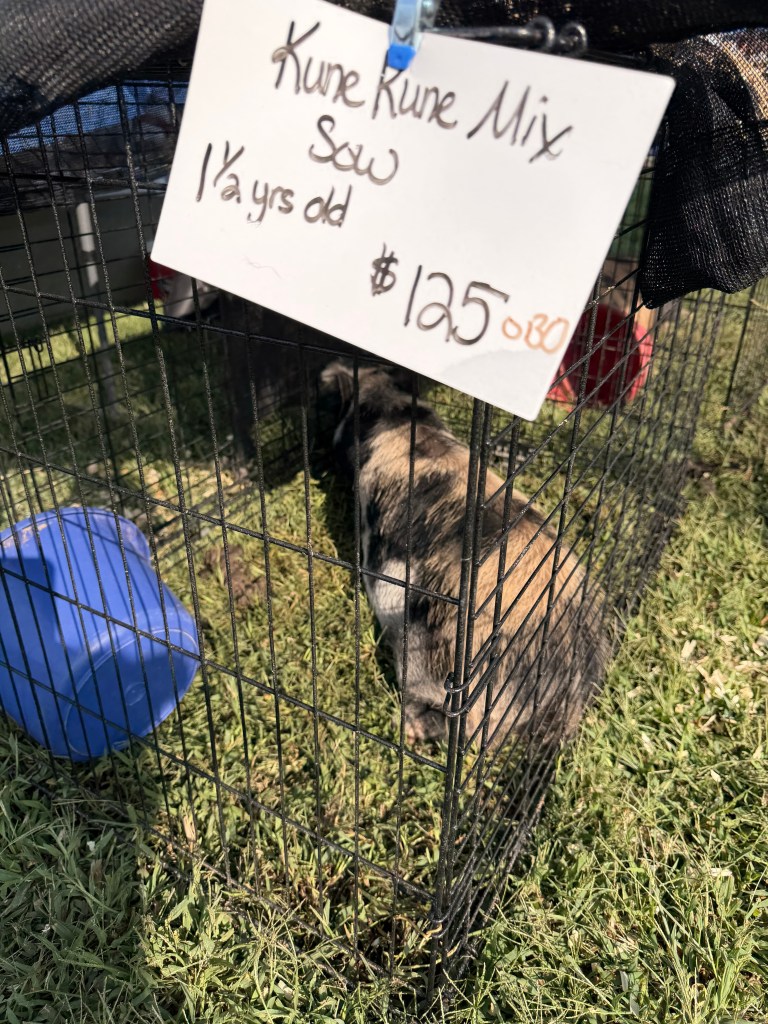
Why Kune Kune Pigs?
Unlike many traditional pig breeds that can be large and destructive, Kune Kunes are small, friendly grazers. Pronounced cooney cooney, this heritage breed originated in New Zealand, where the Māori people raised them for their easy-going nature and ability to thrive on pasture. They were nearly lost to extinction until the 1970s, when conservationists stepped in to preserve them.
Today, they’re known as one of the most homestead-friendly pigs you can raise. A full-grown Kune Kune typically weighs between 150 and 250 pounds, far less than the 600-plus pounds of commercial pig breeds. That smaller size makes them easier to manage, feed, and fence — perfect for a homestead that values sustainability and balance. You can learn more about the breed’s origins and characteristics at the American KuneKune Pig Society.
Gentle on the Land
One of the biggest reasons I’ve been drawn to Kune Kunes is their reputation for being non-destructive grazers. Unlike other pigs that love to root up everything in sight, Kune Kunes have shorter snouts and prefer grazing on grasses, clover, and weeds. That means they can help keep pastures trimmed and fertilized naturally without tearing up the soil in the process.
Their grazing habits make them an excellent choice for rotational or regenerative grazing systems — something that’s becoming increasingly important to small farmers and homesteaders looking to care for their land responsibly. For more about rotational pasture practices, check out Sustainable Agriculture Research & Education (SARE).
Friendly and Family-Oriented
Kune Kunes are also known for their sweet personalities. Many owners describe them as dog-like — they enjoy human company, love belly rubs, and can even be trained to come when called. Their calm demeanor makes them an ideal choice for families or homesteads with children.
Because they’re social animals, they tend to do well with other livestock, too. It’s not uncommon to see Kune Kunes peacefully coexisting with chickens or ducks in a shared pasture space.
What a Homestead Needs to Raise Kune Kune Pigs
Before welcoming Kune Kunes to your homestead, it’s important to have the right setup to keep them comfortable, healthy, and secure. The good news is — they don’t need much!
Shelter
Kune Kunes are hardy animals that handle most climates well, but they still need a simple three-sided shelter to protect them from rain, snow, and summer heat. A small wooden shed, hoop shelter, or converted lean-to will do just fine. Bedding such as straw or hay helps keep them warm and dry, especially in the colder months.
Land and Space
Because they’re grazers, Kune Kunes thrive on pasture. A pair of pigs can do well on about a half-acre to an acre of well-maintained grassland, depending on the quality of forage and your rotation practices. Dividing the pasture into sections and rotating them every few weeks allows the grass to regrow and prevents overgrazing.
Fencing
Even though they aren’t escape artists like some pig breeds, secure fencing is still essential. Woven wire, hog panels, or electric fencing at snout level (around 8–10 inches off the ground) work well. Avoid barbed wire, as it can cause injury.
Feed and Water
Kune Kunes can thrive primarily on pasture and hay, but they should also have access to a balanced pig ration or mineral supplement for proper nutrition. Always provide fresh, clean water — pigs can’t sweat, so hydration and shade are vital in warm weather.
Companionship and Care
They’re social creatures and should never be kept alone. A minimum of two pigs ensures companionship and emotional well-being. Routine hoof trimming, parasite checks, and vaccinations should be part of your care plan.
Low-Maintenance and Efficient Feeders
Another huge plus: Kune Kunes can thrive on grass and hay alone for much of the year, reducing the need for heavy grain feed. Of course, supplemental nutrition helps keep them healthy — especially during winter — but compared to commercial pigs, they’re remarkably efficient eaters.
Their ability to maintain condition on pasture makes them one of the most economical pig breeds for small homesteads.
Perfect for the Small-Scale Homestead
Every animal on the homestead needs to serve a purpose without overwhelming the land or the caretaker. Kune Kunes fit beautifully into that philosophy:
- Small, manageable size
- Gentle grazers (not rooters)
- Friendly and social
- Easy to contain
- Efficient on pasture feed
They can provide high-quality pork if that’s part of your goal, or simply serve as lovable, productive grazers that contribute to pasture health.
Final Thoughts
As I picture the future of our homestead, I can already imagine a pair of Kune Kunes grazing quietly alongside the chickens and ducks. Their gentle nature, manageable size, and sustainable grazing habits make them an incredibly appealing addition to any small farm.
Maybe it’s just me dreaming again — but if we do decide to expand, I have a feeling Kune Kunes will be high on the list.

Leave a Reply