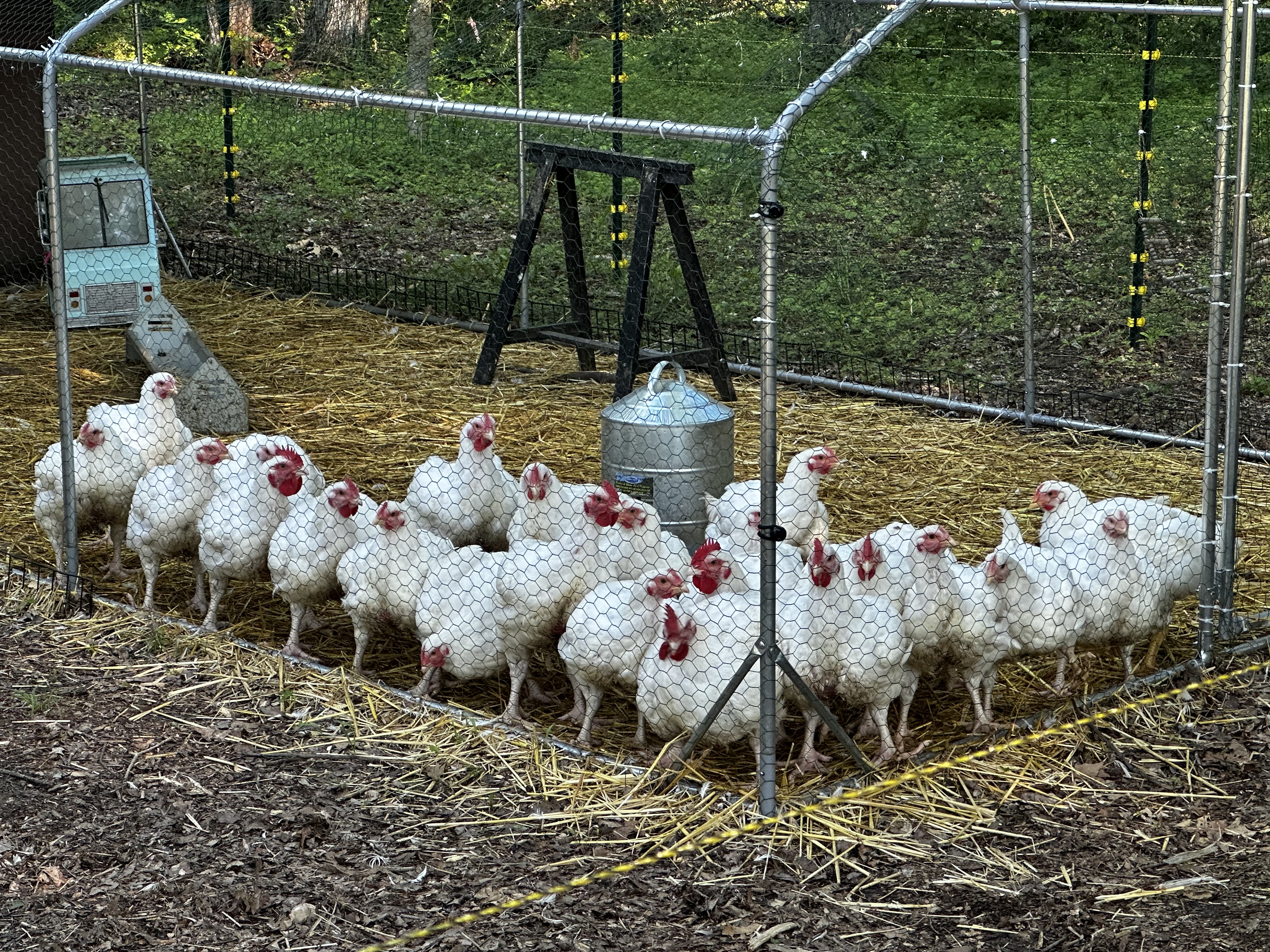
Getting Ready for the 2026 Season
Yesterday marked an exciting milestone here at J & J Homestead — I placed the order for our first round of Cornish Cross meat chickens for 2026! These amazing birds will be joining us this coming spring, and I couldn’t be happier to kick off another successful season of raising homegrown, healthy chicken.
Why I Choose Meyer Hatchery
I’m a huge fan of Meyer Hatchery in Polk, Ohio. Over the years, they’ve proven themselves time and again to be a top-notch hatchery with:
- Healthy, vigorous chicks that arrive strong and ready to thrive.
- Excellent customer service — they’re responsive, knowledgeable, and genuinely care about their customers.
- Fast, careful shipping that ensures chicks arrive safe and warm, even across state lines.
This year’s batch has a hatch date of April 13th, and I expect we’ll be harvesting around June 8th. That timing is ideal — the mild spring weather means the birds can grow at a comfortable pace without the stress of summer heat.
Why Spring Meat Birds Thrive
Over the past few seasons, I’ve noticed that spring meat birds simply do better. Without the pressure of high temperatures, they tend to:
- Grow larger and stronger, with less need for constant cooling and shade.
- Stay more active and engaged, which helps develop healthier muscles and better overall meat quality.
- Experience less heat stress, which can often lead to slowed growth or health problems in mid-summer flocks.
In short, the cooler spring months make for happier, healthier chickens, and ultimately, better food for our family and community.
Raising Cornish Cross Meat Birds: What Matters Most
Cornish Cross chickens are a fast-growing hybrid breed specifically designed for meat production. They typically reach harvest weight (about 6–8 pounds) in just 8–9 weeks! While their quick growth is impressive, it also means they need a little extra attention and care to keep them healthy along the way.
Here are a few key considerations I’ve learned through experience:
1. Space and Fresh Air
Cornish Cross birds grow fast, so they need plenty of room to move. I like to give them outdoor access as soon as the weather allows, helping them build strength and stay active. Fresh air also helps reduce moisture and ammonia buildup inside the coop.
2. Clean Bedding and Proper Ventilation
Because these birds spend more time eating and resting, it’s crucial to keep bedding clean and dry. Regularly changing out pine shavings and ensuring good airflow keeps them healthy and prevents respiratory issues.
3. Balanced Nutrition
They require a high-protein feed (around 20–22% for the first few weeks), then slightly less as they grow. I also provide them with grit and occasional treats from the garden — chopped greens or vegetables — once they’re old enough to handle it.
4. Monitor Their Activity
Cornish Crosses are known for their love of food, so encouraging movement is key. I scatter feed in different spots or add enrichment like perches and shallow dust baths to promote natural behaviors.
5. Timing and Temperature
Springtime is ideal — not too hot, not too cold. Keeping brooder temperatures consistent for the first few weeks (starting around 95°F and decreasing gradually) helps them transition smoothly to the coop and pasture.
Looking Ahead
It’s always a rewarding feeling knowing that these chicks will grow into healthy, nutritious meals raised right here on our homestead — with care, intention, and respect for where our food comes from. The first batch of the season sets the tone for the year ahead, and I can already feel that 2026 is going to be a great one.
If you’re curious about raising your own meat birds, check out these resources for more information:

Leave a Reply