
Yesterday, we lost one of our favorite chickens — Yeti the Great. He wasn’t just another bird in the flock; he was family. His calm demeanor, soft feathers, and quirky personality made him stand out from the rest. The coop feels quieter today without him, and anyone who’s ever loved an animal knows the ache that lingers after a loss like this.
But here on the homestead, grief often walks hand-in-hand with curiosity and determination. Losing Yeti has set us on a journey to understand what might have gone wrong — not only for closure but to ensure the health and longevity of the rest of our flock.
Looking for Clues: Could It Be Parasites?
Chickens are resilient creatures, but they’re not invincible. There are so many factors that can affect their health — nutrition, environment, stress, and yes, parasites.
After reviewing his symptoms (or lack thereof), one possibility that keeps resurfacing in my research is coccidia, a microscopic parasite that can cause coccidiosis in chickens. It’s common, but severe cases can be deadly.
I could assume it was a bad case of coccidia and treat the entire flock with Corid (Amprolium), but I hesitate. Overmedicating without confirmation isn’t the right answer. The risk of creating a Corid-resistant strain of coccidia — or missing another culprit entirely — is too high.
So instead of guessing, I’m going to test.
Enter the Microscope: Fecal Float Testing on the Homestead
For months, I’ve been diving deep into the science of poultry health — reading, watching videos, and learning from veterinarians and homesteaders alike. Now, it’s time to put that knowledge into practice.
Today marks the start of a new experiment: performing basic fecal float tests to identify parasite loads within the flock. My little “lab” is almost ready — complete with a microscope, beaker, strainer, glass slides, and staining solution. The final piece, a small centrifuge, should arrive later today.
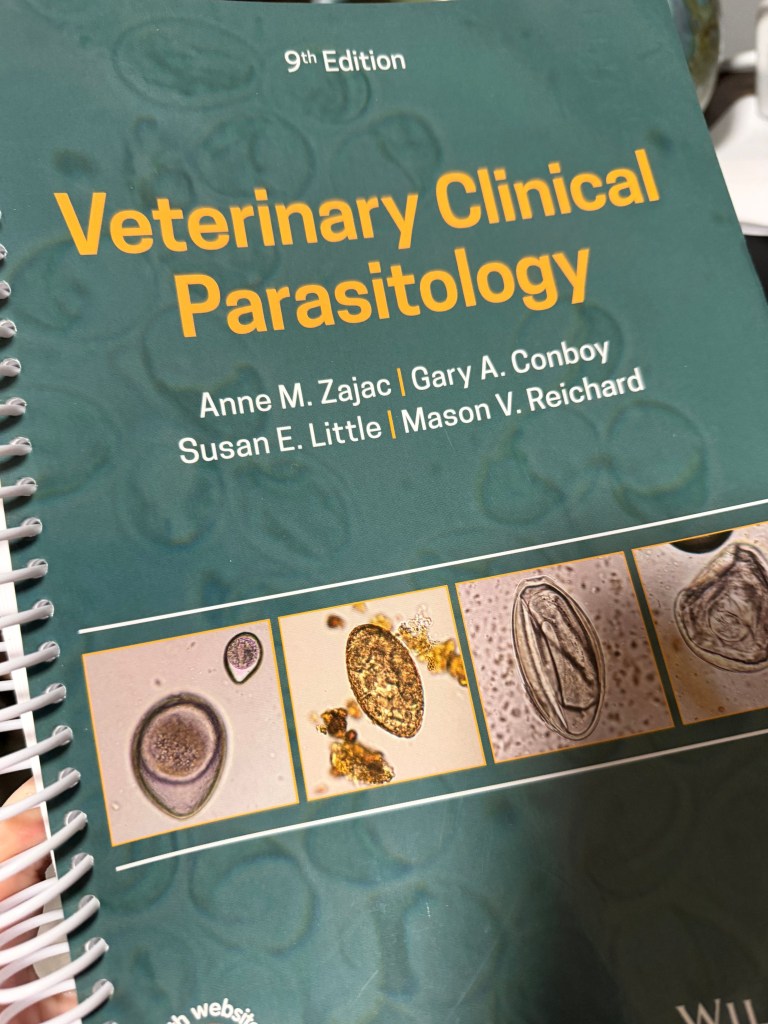
Once everything is in place, I’ll begin testing fresh samples from the hens. It’s a small step toward understanding, but an empowering one. As homesteaders, we’re caretakers, scientists, and students all at once — constantly learning from the land and the lives in our care.
Natural Support in the Meantime
While I wait for the centrifuge to arrive, I’m doing what I can to support the flock naturally. This morning’s breakfast was extra special — loaded with cayenne and oregano, two herbs known for their immune-boosting and antiparasitic properties.
Cayenne can help improve circulation and act as a mild deterrent to parasites, while oregano is often praised for its natural antibacterial and antiviral effects.
It’s not a cure, but it’s a healthy, supportive boost while we investigate further.
Moving Forward
Losing Yeti has reminded me why homesteading is equal parts joy and responsibility. Every loss teaches us something — about nature, about resilience, and about the incredible web of life that we’re part of.
This week, my goal isn’t just to grieve — it’s to learn. To use this moment as a catalyst for better understanding the health of our flock. To ensure that Yeti’s loss wasn’t in vain.
I’ll share what I learn along the way — the testing process, the results, and what changes we make to our flock management. Because if there’s one thing Yeti taught us, it’s that every life on the homestead matters.
Here’s to curiosity, compassion, and the never-ending journey of learning.
Fingers crossed.

Leave a Reply