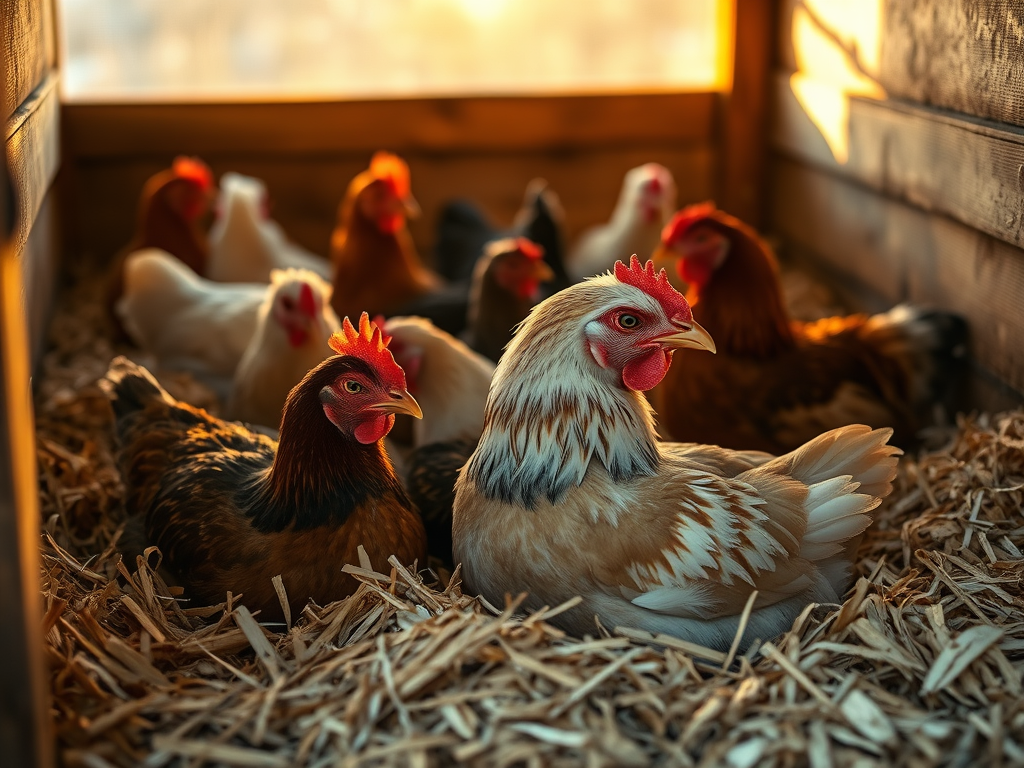
How It Works and Why It’s Perfect for Winter Months
When temperatures drop and the nights grow longer, keeping your chickens warm, healthy, and happy becomes a top priority. While many backyard chicken keepers rush to plug in heat lamps, there’s a simpler, safer, and more natural option — the Deep Litter Method.
This age-old approach not only keeps your flock cozy during cold months but also builds rich, composted material for your garden. It’s a win-win for both your chickens and your soil — and one of our favorite winter strategies here at J & J Homestead.
🌿 What Is the Deep Litter Method?
The Deep Litter Method is a sustainable coop-management system that allows bedding material and chicken manure to naturally compost right inside your coop.
Instead of fully cleaning out your coop every week, you layer fresh bedding (like pine shavings or straw) on top of the old as it becomes soiled. Over time, the natural microbes and bacteria break down the waste, creating gentle heat and nutrient-rich compost in the process.
Think of it as a miniature compost pile that keeps your chickens toasty warm while reducing odor and waste.
Why the Deep Litter Method Is Perfect for Winter
During winter, keeping your coop warm without creating fire hazards is key. The Deep Litter Method provides natural insulation and gentle heat through microbial activity — no heat lamps required.
Benefits include:
- Steady warmth: As the litter decomposes, it generates mild, radiant heat.
- Dry bedding: Proper layering absorbs moisture, keeping the coop comfortable.
- Odor control: Good airflow and carbon-rich bedding prevent ammonia buildup.
- Compost creation: By spring, you’ll have nutrient-dense compost ready for your garden beds.
- Less work: Instead of deep cleaning every week, you only do one major clean-out per year.
According to the Meyer Hatchery Blog, many chicken keepers find their flock more active and stress-free through winter using this method.
How to Start the Deep Litter Method in Your Coop
Implementing the Deep Litter Method is simple — it just takes consistency and observation.
Step 1: Start with a Clean Base
Begin in late fall before the cold sets in. Clean your coop thoroughly, then lay down 3 to 6 inches of dry bedding — pine shavings, straw, or hemp work best. Avoid cedar, which can irritate your chickens’ respiratory systems.
Step 2: Add Bedding as Needed
Every few days or once a week, add a fresh layer of bedding to cover droppings and moisture. Over time, this can build up to 10–12 inches deep.
Step 3: Stir Occasionally
Once or twice a week, use a pitchfork or rake to turn the litter, helping oxygen reach the composting layers. This reduces odor and maintains a healthy balance of carbon (bedding) and nitrogen (manure).
Step 4: Ensure Proper Ventilation
Good airflow is essential. Moisture buildup leads to ammonia and frostbite issues. Keep vents open near the roofline, even in cold weather — your chickens will stay warmer than you think.
👉 For coop-ventilation tips, visit The Chicken Chick.
Best Bedding Choices for the Deep Litter Method
Not all bedding materials are created equal. You’ll want something absorbent, compostable, and safe for your flock.
| Bedding Type | Pros | Cons |
|---|---|---|
| Pine shavings | Absorbent, inexpensive, composts well | Must avoid fine dust varieties |
| Straw | Natural insulator, easy to find | Can mat down, less absorbent |
| Hemp | Low dust, super absorbent, long-lasting | Pricier than others |
| Dried leaves or grass clippings | Free and compost-friendly | Break down quickly; mix with other bedding |
We’ve had great success using pine shavings with hemp at J & J Homestead — it keeps the coop fresh throughout winter, and the hemp bedding helps to minimize dust.
Maintenance Tips for a Healthy Deep Litter Coop
- Monitor moisture: Bedding should feel slightly dry, not damp. If it’s wet, add more carbon material like shavings.
- Avoid overcrowding: Too many chickens produce excess moisture and manure.
- Check ammonia levels: If you can smell ammonia, it’s time to add bedding or increase ventilation.
- Add beneficial microbes: Optional — sprinkle a compost starter or barn-safe microbial blend to speed decomposition.
- Deep clean once per year: In spring, remove the entire litter pile. Compost it for another few months before adding it to your garden.
Bonus Benefit: Garden Gold by Spring
By the time spring rolls around, the bottom layers of your coop litter will have transformed into “black gold” compost — rich, earthy, and perfect for your garden beds.
This compost is packed with nitrogen, phosphorus, and organic matter, giving your vegetables a natural boost.
Just let it age for a few weeks before applying, or add it to your main compost pile to finish breaking down.
Final Thoughts: A Simple, Sustainable Winter Solution
The Deep Litter Method embodies everything we love about homesteading — self-sufficiency, sustainability, and working in harmony with nature.
Instead of hauling waste and buying fertilizer, you’re turning one into the other — all while keeping your flock healthy and warm.
If you’ve been looking for a cozy, low-maintenance solution for your coop this winter, give the Deep Litter Method a try. Your chickens (and your garden) will thank you.

Leave a Reply