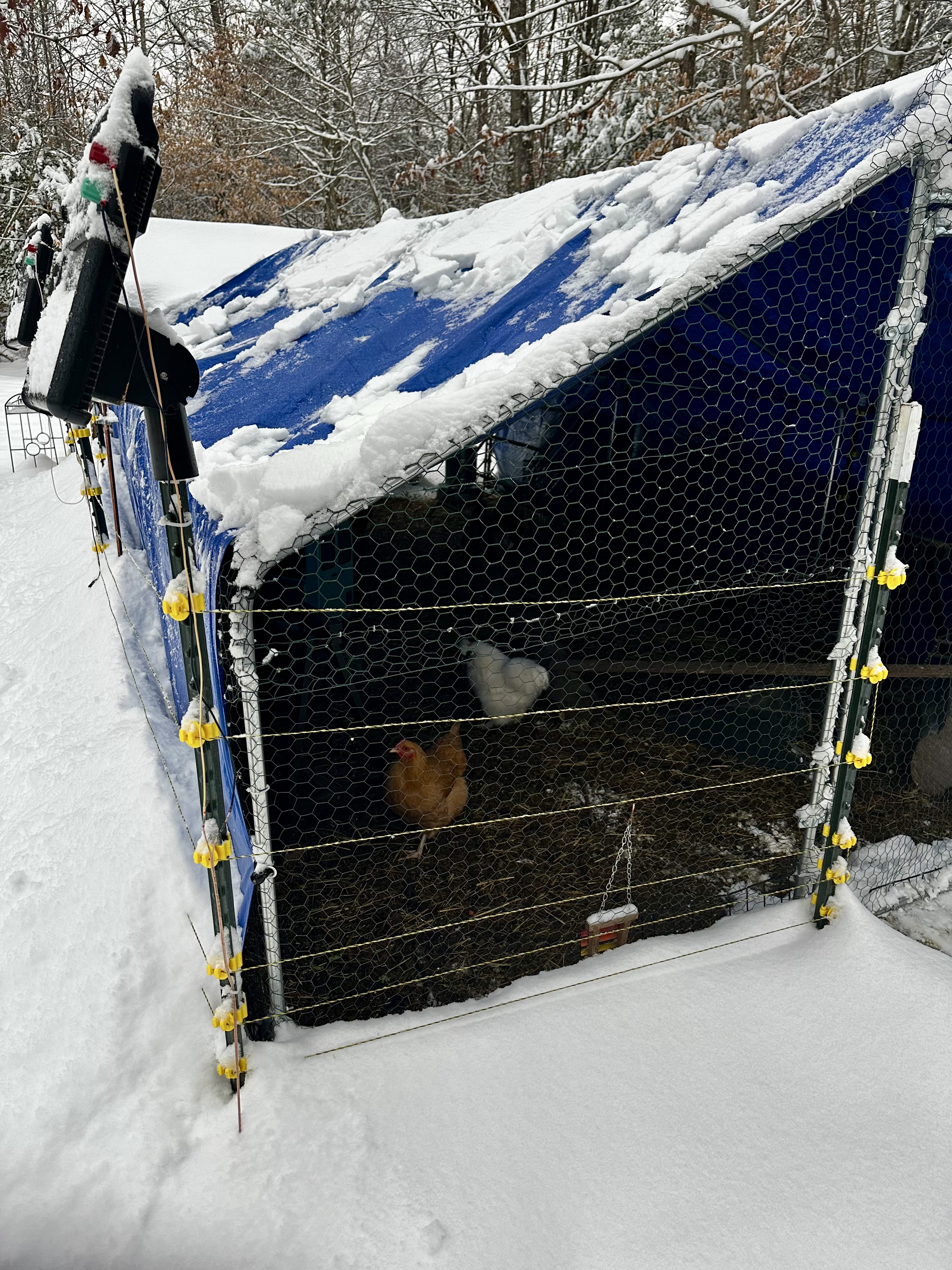
When winter sets in and the temperatures plummet, our chickens, ducks, and roosters face a serious seasonal challenge — frostbite. It’s one of the most common cold-weather issues in poultry, and while it can look alarming, it’s entirely preventable with the right care and awareness.
At J & J Homestead, we’ve learned that winter poultry care isn’t just about warmth — it’s about balance: dry air, proper nutrition, and smart coop management. Here’s how to recognize frostbite, treat it naturally, and keep your flock safe through even the coldest Virginia mornings.
What Causes Frostbite in Chickens and Ducks?
Frostbite occurs when moisture and cold temperatures combine to damage exposed tissue — especially on combs, wattles, and feet. It’s not the cold alone that causes frostbite; it’s the moisture that freezes on the skin.
Typical causes include:
- Poor ventilation in the coop, leading to trapped humidity
- Wet bedding or standing water
- High moisture from droppings or spilled waterers
- Tight perches that prevent good circulation in toes
- Extreme temperature drops without gradual acclimation
How to Recognize Frostbite in Poultry
Early detection is key. Mild frostbite may heal on its own, but severe cases can lead to tissue loss or infection.
Common Signs:
- Pale or whitish areas on combs, wattles, or toes
- Swollen, shiny skin that feels cool to the touch
- Blisters or blackened tips in severe cases
- Reduced activity or limping
- Roosters may show discolored comb tips first since they’re more exposed
If you notice any of these symptoms, act quickly — frostbite can worsen within hours.
Immediate Steps for Treating Frostbite
If you suspect frostbite, avoid rubbing or massaging the affected area — it can cause more tissue damage. Instead, follow these steps:
- Move the bird to a warm, dry area immediately (around 70°F).
- Warm the area gradually — use body heat or a warm (not hot) damp towel. Avoid heat lamps or direct heat.
- Apply a natural salve or balm such as coconut oil, calendula ointment, or a homemade mix of olive oil and beeswax to soothe and protect.
- Hydrate and nourish — offer electrolyte water and high-protein feed to promote healing.
- Isolate severe cases to prevent pecking from other birds.
For open sores or signs of infection, you can use a natural antiseptic spray made with diluted betadine or consult a poultry vet if the tissue turns black or necrotic.
👉 Find more detailed first-aid advice at The Chicken Chick.
Natural Remedies That Support Healing
Nature offers gentle, effective remedies to support recovery and strengthen your flock’s resilience.
Topical Remedies:
- Coconut Oil: Moisturizes and creates a natural barrier against moisture.
- Aloe Vera Gel: Reduces inflammation and cools mild frostbite areas.
- Calendula Ointment: Promotes healing and soothes damaged skin.
- Honey: Natural antibacterial and wound-healing properties.
Internal Support:
- Add apple cider vinegar (1 tbsp per gallon of water) to boost circulation and immunity.
- Supplement with vitamin E and selenium — found in sunflower seeds and wheat germ — to aid tissue repair.
- Provide high-protein treats like scrambled eggs or mealworms during cold snaps to maintain body heat.
👉 Explore more natural poultry remedies on Fresh Eggs Daily.
Preventing Frostbite: The Best Cure
Once you’ve seen frostbite, you’ll want to do everything possible to keep it from happening again. Prevention starts with good coop design and daily management.
1. Ventilation Is Vital
Your coop should allow moist air to escape without creating drafts. Install vents near the roofline or under the eaves to release humidity.
2. Keep Bedding Dry
Moist bedding leads to condensation and frostbite. Use the Deep Litter Method for natural warmth and composting (learn more in our post: The Deep Litter Method – The Cozy Coop Solution).
3. Use Wide Perches
A 2×4 with the flat side up lets chickens cover their toes with feathers while roosting — reducing frostbite risk on feet.
4. Skip the Heat Lamps
They increase humidity and can create dangerous temperature fluctuations. Focus on dryness, airflow, and insulation instead.
5. Apply Protective Oils
Before major cold snaps, gently coat combs and wattles with unrefined coconut oil or Vaseline. This helps repel moisture and wind chill.
6. Keep Waterers Outside the Coop
This simple step prevents humidity buildup — one of the biggest frostbite triggers.
A Note on Roosters and Ducks
Roosters, with their large combs and wattles, are the most prone to frostbite. Keep an eye on them during freezing nights and apply protective salve regularly.
Ducks, while more cold-tolerant, can suffer frostbite on their feet if standing in icy water. Make sure their pen has dry straw and wind protection.
👉 Learn more about waterfowl cold-weather care from Community Chickens.
Final Thoughts: Winter Wellness Through Awareness
Frostbite in poultry may sound scary, but it’s easily preventable with attentive care and proactive management. A clean, dry coop, proper airflow, and a touch of natural TLC go a long way in protecting your flock.
At J & J Homestead, our winter mantra is simple:
“Keep it dry, keep it natural, and keep it calm.”
By following these tips, you’ll help your chickens and ducks stay comfortable all winter long — with healthy combs, warm feet, and plenty of cozy clucks.

Leave a Reply