
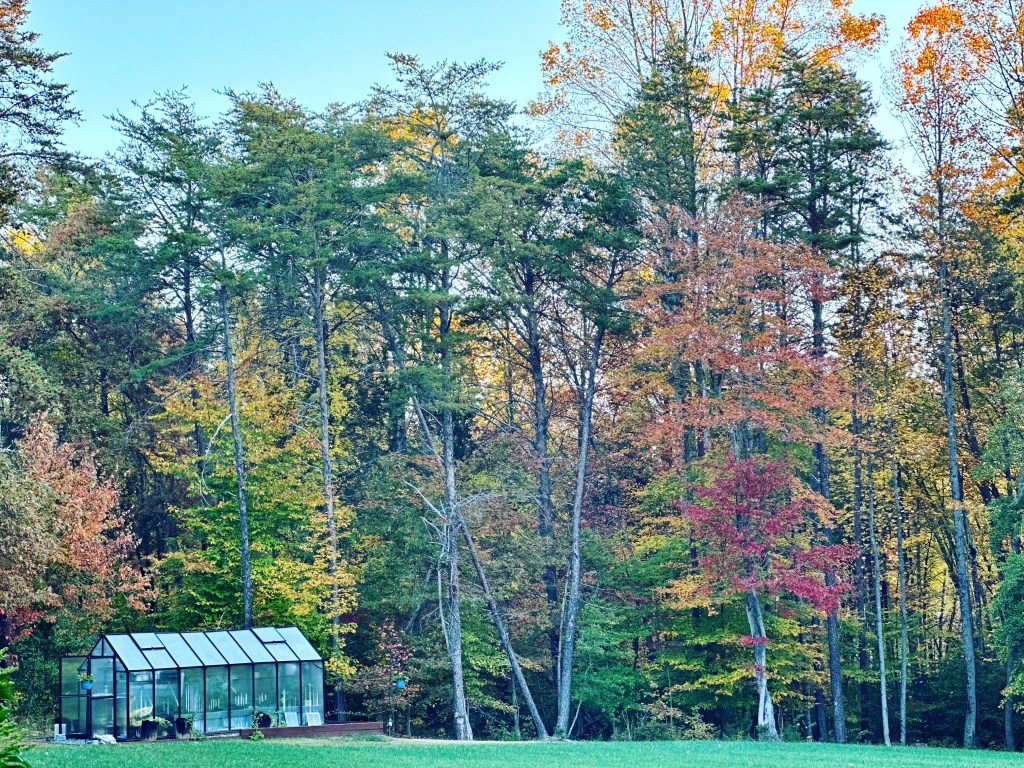
When people ask where our homestead started, they usually expect me to say “chickens” or “the garden.” But the truth is, the very first thing we added — long before we even realized a full homestead was on the horizon — was our greenhouse. In 2022, after more research than I’d care to admit, we ordered our MONT greenhouse. At the time, we didn’t know just how big a role it would play in shaping the life we have now. We just knew one thing with absolute clarity: we wanted a more sustainable lifestyle, and extending our growing season was the first step in getting there.
From the beginning, we were drawn to the MONT greenhouse line because they’re commercial-grade structures built to withstand the elements. They’re sturdy, dependable, and come with a 10-year warranty — something almost unheard of in consumer greenhouse kits. The more we learned, the more confident we felt that this greenhouse wasn’t just another outdoor structure; it was an investment into our future. The high-impact, UV-stable 8mm twin-wall polycarbonate walls and roof, the heavy-duty aluminum frame, automatic roof vents, potting shelves, gutter systems, and watering options made the choice incredibly easy. MONT simply checked every box.
The greenhouse arrived quickly, but — like all good long-term projects — we didn’t rush the build. In fact, we didn’t get started for an entire year. Preparing the site was the first major step, and honestly, the most important one. The location we chose had a slight grade, and if we wanted the greenhouse to stand strong and drain well, we had to build up the base with gravel and reinforcement. Letting the site settle for a full year was a pivotal, intentional decision. It meant that when the time came to build, we were putting our greenhouse on a stable, trustworthy foundation.
When May rolled around, we picked a weekend and committed fully: that greenhouse was going up. And let me tell you… it wasn’t easy. There were moments of triumph, moments of frustration, and maybe one or two “sassy comments” exchanged along the way. But when that final panel slid into place and the last bolt tightened, we stepped back, looked at it standing proudly in the sun, and knew it was absolutely worth it.

The first year was all about learning. And oh, did we learn.
We quickly discovered that even with roof vents opened, automatic watering spraying cool mist throughout the day, exhaust vents installed, and heavy-duty fans running at the entrance, the greenhouse could still climb to temperatures that made even the hardiest plants wilt. It became clear almost immediately that greenhouse sun shades weren’t optional — they were survival. Once we installed them, the temperature inside finally stabilized enough to keep plants healthy.
Then winter came, and we bravely attempted to heat the greenhouse. I’ll remember those winter tomatoes forever — big, red, and harvested in January and February. But I’ll also remember the power bill. While the tomatoes were delicious, the lesson was clear: heating a full greenhouse through winter simply wasn’t worth the energy cost. Another valuable lesson earned.
As the years progressed, we settled into a rhythm that works beautifully for us, our plants, and our flock. Late winter and early spring have become some of my favorite seasons in the greenhouse. That’s when I start seeds — tomatoes, peppers, herbs, broccoli, celery, and early greens. The greenhouse gives them protection from the unpredictable weather outside, and by the time the ground warms, the seedlings are robust and ready to thrive in the garden.
In spring and early summer, the greenhouse bursts to life with tender greens, radishes, broccoli, carrots, cabbage, kale, and the occasional rogue tomato plant that pops up from compost or leftover seed. As summer reaches its hottest point, the greenhouse becomes more of a shade-loving space, perfect for heat-sensitive greens or propagation projects rather than full food production.
By the time late summer arrives, it’s time to think ahead. I start another round of seeds — Swiss chard, collard greens, lettuces of all kinds, arugula, spinach, and cold-hardy herbs. We’ll often tuck in root vegetables like turnips, beets, and even small potatoes if we’re feeling creative. This is also when the citrus trees — our lemon and lime — move into the greenhouse to protect them from the first whispers of cold weather. They thrive in the sheltered winter environment, rewarding us with blossoms and fruit while the world outside lies dormant.
Over time, the greenhouse has become a year-round partner in our homestead, giving us the flexibility to grow more varieties, extend growing seasons, and protect delicate plants from harsh weather. Here are some of the fruits and vegetables that can be grown in a greenhouse during each season, depending on your climate and setup:
Early Spring: lettuce, spinach, kale, celery, broccoli, onions, carrots, radishes, peas
Late Spring: tomatoes, peppers, cucumbers, zucchini, herbs, strawberries
Summer: heat-sensitive greens, microgreens, dwarf citrus, basil, peppers
Fall: chard, cabbage, beets, carrots, arugula, winter lettuces
Winter: hardy greens, herbs like rosemary and thyme, citrus trees, carrots, radishes
Every season offers something new, and every season teaches you something different.
Looking back now, it’s clear: the greenhouse wasn’t just a purchase. It was the beginning of a dream we hadn’t even fully articulated yet. It was the first real step toward the homestead we have today. It shaped our routines, inspired our confidence, and showed us what was possible when we committed to learning, adjusting, and growing — both literally and figuratively.
Our MONT greenhouse is still one of the best additions we’ve ever made to our homestead. And even now, years later, I still get excited when I open the door and breathe in that warm, earthy smell. It feels like potential. It feels like beginnings. It feels like home.

Leave a Reply