What skills or lessons have you learned recently?
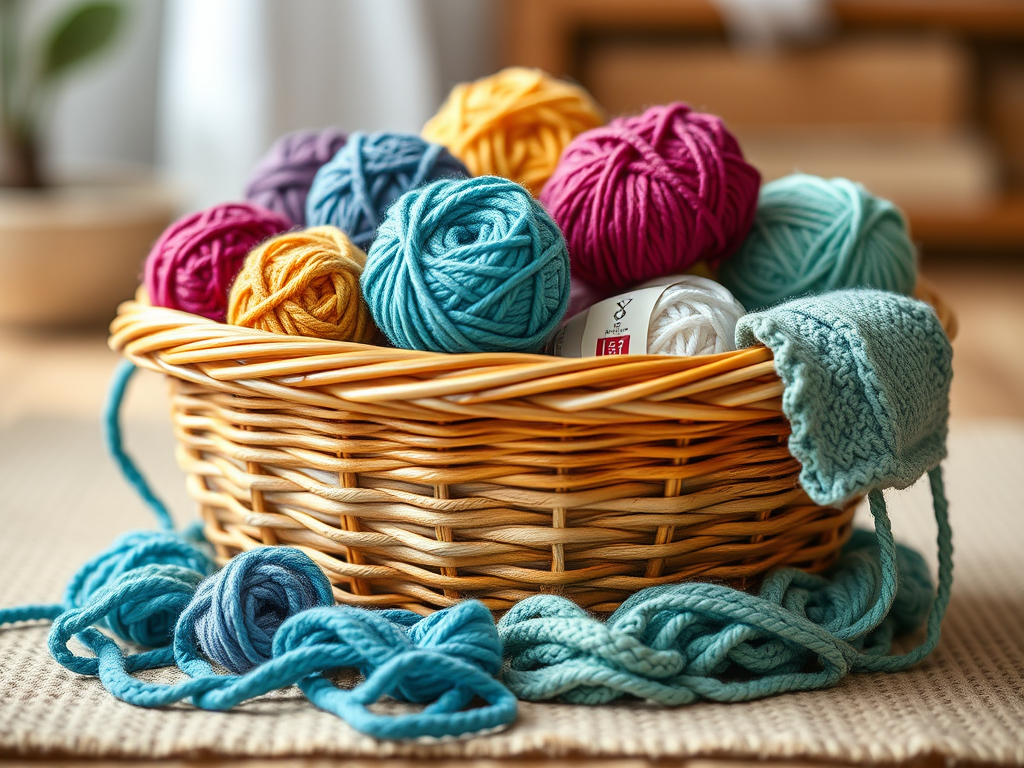
One of the things I love most about homesteading is that it naturally encourages lifelong learning. There is always something new to try, a skill to improve, or an old tradition waiting to be picked up again. Recently, I added a brand-new skill to my growing list — crochet — and I couldn’t be more excited about it.
Over the weekend, my parents came to visit, and during that time my stepmom sat down with me and patiently taught me how to crochet. Watching her work was nothing short of amazing. She has an effortless talent for it, creating the most adorable little crocheted animals with ease — the kind of skill that only comes from years of practice and love for the craft.
Learning From the Best Teacher!
There’s something incredibly special about learning a new skill from someone you love. My stepmom didn’t just show me what to do — she explained why things worked the way they did, how tension affects stitches, and how to slow down and let your hands learn the rhythm.
She taught me several of the basic crochet stitches and even walked me through how to read a crochet pattern, which at first looked like a completely different language. Those abbreviations, symbols, and stitch counts can be intimidating, but once she explained the logic behind them, it all started to make sense.
If you’re curious about crochet patterns, The Spruce Crafts has a great beginner-friendly guide that breaks everything down step by step.
Why Crochet Fits Perfectly Into the Homestead Lifestyle
Crochet feels like it belongs on the homestead in the same way gardening, preserving food, and raising animals do. It’s slow. It’s intentional. It’s practical. And it creates something useful from a simple strand of yarn.
Homesteading isn’t just about producing food — it’s about building skills that connect us to older traditions. Crochet has been around for generations, used to make clothing, blankets, toys, and household items long before fast fashion existed.
In many ways, learning to crochet feels like another step toward self-sufficiency and creativity. Instead of buying everything new, there’s joy in learning how to make things by hand — even if the first few attempts are a little lopsided.
For anyone interested in how fiber arts fit into traditional living, Mother Earth News has wonderful articles on knitting and crochet as part of a sustainable lifestyle.
From Zero to Scarf (Hopefully!)
Am I making tiny animals yet? Absolutely not. Do I still have to undo stitches more often than I keep them? Definitely. But I’ve learned enough that I feel confident I could eventually make something simple — maybe a scarf, or even a basic blanket.
And that’s the beauty of learning a new skill on the homestead. There’s no rush. Progress happens one stitch at a time. Every small improvement feels like a win.
If you’re just starting out, LoveCrafts offers excellent beginner tutorials that make learning crochet feel approachable and fun.
A Reminder That Learning Never Stops
This experience reminded me of something important: homesteading isn’t about knowing everything. It’s about being willing to learn — whether that’s how to raise chickens, manage bees, grow food, or pick up a hook and yarn for the first time.
Learning crochet wasn’t on my original homesteading checklist, but now it feels like it belongs here. It’s another skill that connects generations, encourages patience, and creates something tangible with your own two hands.
I have a long road ahead of me, but I’m excited for it. And who knows — maybe one day I’ll be the one teaching someone else how to read their first crochet pattern.
For now, I’ll keep practicing, unraveling mistakes, and enjoying every stitch.

Leave a Reply