
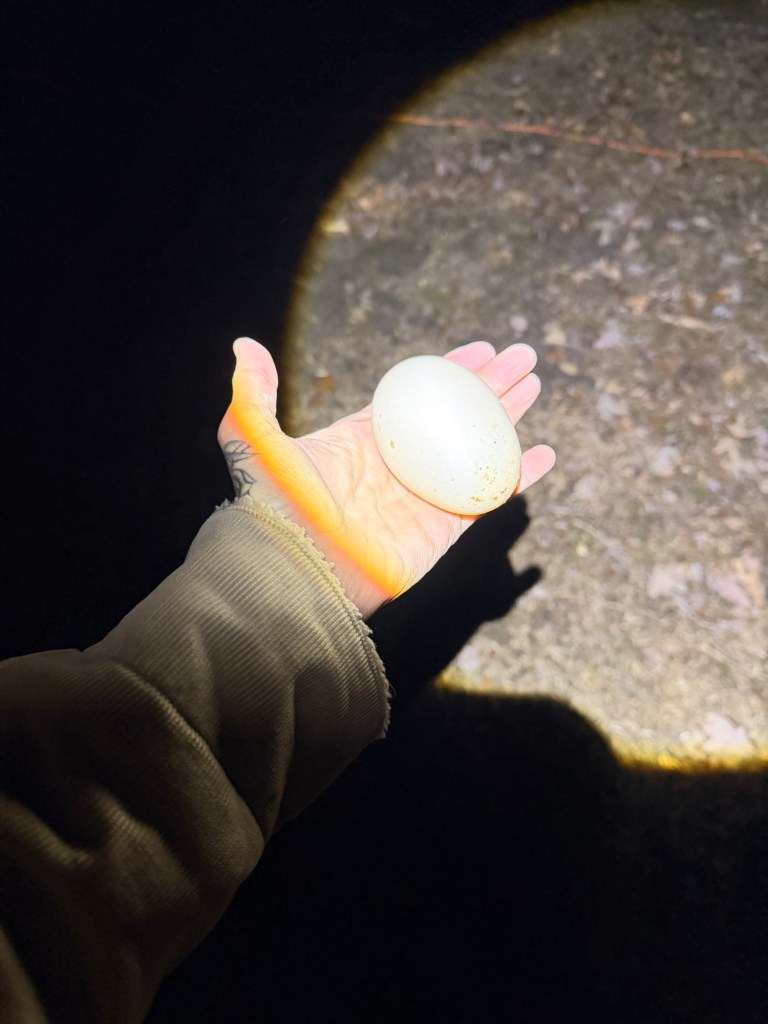
One of the most rewarding parts of homesteading is noticing the small changes that signal health, balance, and progress. This week, we were greeted with a wonderful early-morning surprise—our female duck, Ginger, finally started laying eggs again.
After going through a very tough molt about five to six months ago, Ginger completely stopped laying. For months, there were no eggs at all. While we knew molting can pause egg production, the length of her break had us watching closely. That’s why seeing a fresh duck egg in the duck house felt like such a victory—it meant she was doing well and her body was ready again.
If you’re raising ducks and wondering why egg laying sometimes takes so long to resume after a molt, you’re not alone.
What Is Molting and Why Does It Affect Egg Production?
Molting is a natural process where ducks shed old feathers and grow new ones. This usually happens once a year and requires a huge amount of energy and nutrients. During this time, a duck’s body prioritizes feather regrowth over egg production.
For many ducks, egg laying stops during the molt and resumes within a few weeks or months. However, in some cases—like Ginger’s—it can take significantly longer.
Why Ducks May Stop Laying Eggs for a Long Time After a Molt
A prolonged break in egg production after molting is usually linked to one or more of the following factors:
1. Nutritional Depletion
Feathers are made largely of protein. If a duck doesn’t fully replenish her protein, vitamin, and mineral stores after molting, her body may delay egg production. Ducks often need higher protein levels even after the molt is complete to fully recover.
2. Hormonal Reset
Molting essentially resets a duck’s reproductive system. For some birds, especially those that had a stressful or heavy molt, it can take months for hormones to regulate enough to trigger consistent laying again.
3. Seasonal Light Changes
Day length plays a major role in egg production. If a duck molts in late summer or fall, shortening daylight hours can delay the return of laying until days begin to lengthen again—even if the molt has finished.
4. Stress During or After the Molt
Stressors such as predator pressure, weather extremes, flock changes, or environmental disruptions can extend the time it takes for a duck to feel “safe enough” to lay again. Ducks are very sensitive to routine changes.
5. Age and Individual Differences
Older ducks and certain individuals simply take longer to bounce back. Just like people, every duck recovers at her own pace. Some will resume laying quickly, while others may need several extra months.
Supporting Ducks After a Long Molt
During Ginger’s recovery, we focused on patience and supportive care, including:
– Providing quality feed with adequate protein
– Offering access to clean water at all times
– Minimizing stress in the flock
– Allowing her body to recover naturally without forcing production
Sometimes the best thing you can do is wait—and trust the process.
Why This Egg Felt Like Such a Big Win
Finding that first egg again wasn’t just about food—it was confirmation that Ginger is healthy, strong, and thriving after a difficult season. Moments like this remind us why homesteading teaches such deep appreciation for time, care, and resilience.
If your ducks haven’t started laying again after a long molt, don’t lose hope. With proper care and a little patience, many ducks will return to laying when their bodies are truly ready.
And when they do? It’s absolutely worth celebrating.

Leave a Reply