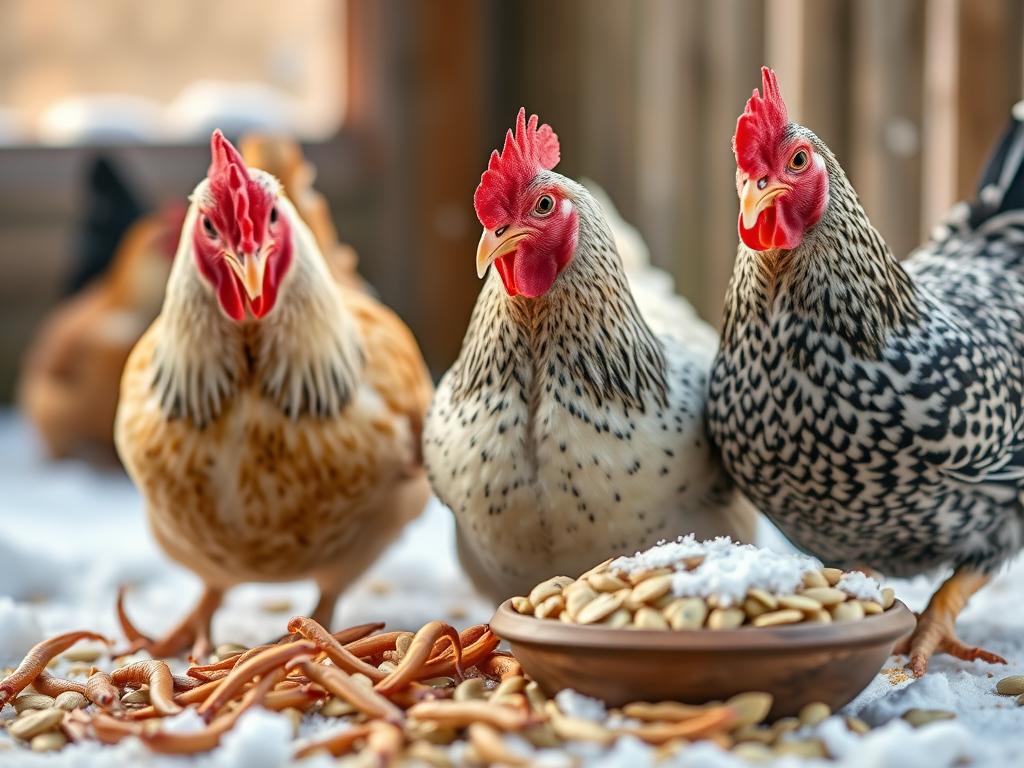
Starting backyard chickens is exciting. You picture fresh eggs, happy hens scratching in the yard, and a more self-sufficient lifestyle. And while chickens are one of the most rewarding animals to keep, many new chicken owners make the same mistakes—often without realizing it until problems show up.
The good news? Most beginner mistakes are completely avoidable with a little planning and realistic expectations. If you’re just getting started (or thinking about it), learning from these common missteps can save you money, stress, and heartache.
Mistake #1: Not Checking Local Laws First
One of the biggest beginner mistakes happens before the first chicken ever arrives.
Many cities and counties allow backyard chickens—but with restrictions. These may include limits on:
- The number of chickens allowed
- Whether roosters are permitted
- Coop placement or setbacks
How to avoid it:
Always check local zoning and ordinances before building a coop or buying chicks. This prevents fines, forced rehoming, or last-minute panic once the birds arrive.
Mistake #2: Starting With Too Many Chickens
It’s easy to overestimate how many chickens you “need,” especially when chicks are small and adorable.
New keepers often:
- Buy more chickens than their space allows
- Underestimate feed and maintenance costs
- Struggle to monitor individual bird health
How to avoid it:
Start with a small, manageable flock—typically 3 to 6 hens. You can always add more later once you understand daily care and space requirements.
Mistake #3: Underestimating Predator Pressure
Many beginners assume predators are a rural problem. Unfortunately, predators exist everywhere—including suburbs and cities.
Common predators include raccoons, foxes, hawks, dogs, snakes, and even rats.
How to avoid it:
- Use hardware cloth, not chicken wire
- Secure latches on all coop doors
- Cover runs completely
- Lock chickens in the coop at night
Predator-proofing is not optional—it’s one of the most important investments you’ll make.
Mistake #4: Buying a Coop That’s Too Small
Many store-bought coops are marketed for more chickens than they can realistically house. I made this mistake. I bought a coop that was marketed for 10 birds, but quickly realized that it was much too small. Fortunately, I had time to build a large coop, and I repurposed the first coop, making it a coop for our two ducks.
Overcrowding leads to:
- Stress and pecking
- Dirty eggs and poor sanitation
- Increased risk of illness
How to avoid it:
Plan for at least 4 square feet per chicken inside the coop and 8–10 square feet per chicken in the run. Bigger is always better when it comes to chicken housing.
Mistake #5: Expecting Eggs Immediately
One of the most common surprises for new chicken owners is how long it takes for eggs to arrive.
Hens typically:
- Start laying between 18–24 weeks
- Slow or stop laying during winter
- Reduce production as they age
How to avoid it:
Go into chicken keeping with realistic expectations. Fresh eggs are wonderful, but chickens offer value long before—and long after—peak egg production.
Mistake #6: Feeding Too Many Treats
Chickens love treats, and beginners love spoiling their flock. Unfortunately, too many treats can cause nutritional imbalances.
Excess treats may lead to:
- Poor egg production
- Soft or thin eggshells
- Obesity and health issues
How to avoid it:
Treats should make up no more than 10% of a chicken’s diet. A quality commercial feed should always be the foundation of their nutrition.
Mistake #7: Skipping Biosecurity Basics
New chicken keepers often overlook biosecurity because their flock is small.
Common mistakes include:
- Introducing new birds without quarantine
- Sharing equipment between flocks
- Allowing visitors to handle chickens freely
How to avoid it:
- Quarantine new birds for at least 2–4 weeks
- Wash hands and change shoes after visiting other flocks
- Keep feeding and cleaning tools flock-specific
Small steps can prevent major disease outbreaks.
Mistake #8: Not Learning Normal Chicken Behavior
Chickens have a social hierarchy, seasonal cycles, and natural behaviors that can surprise beginners.
New keepers may panic over:
- Pecking order disputes
- Molting
- Broody behavior
How to avoid it:
Spend time observing your flock and learning what’s normal. Understanding chicken behavior helps you spot real problems early—and avoid unnecessary stress.
Mistake #9: Ignoring Winter and Summer Planning
Many beginners focus on getting chickens started but forget about seasonal challenges.
Problems often arise with:
- Frozen water in winter
- Overheating in summer
- Poor ventilation year-round
How to avoid it:
Plan ahead for all seasons. Shade, airflow, fresh water, and weather protection are essential to keeping chickens healthy year-round.
Mistake #10: Thinking Chickens Are “Low Maintenance”
Chickens are easier than many livestock animals—but they are not hands-off.
They require:
- Daily care
- Consistent feeding and watering
- Health monitoring
- Long-term commitment
How to avoid it:
Be honest about your schedule and lifestyle. Chickens rely on you every day, regardless of weather, vacations, or busy weeks.
Mistakes Are Part of the Learning Process
Every experienced chicken keeper has made at least one beginner mistake—often more than one. The key is learning early, adjusting quickly, and improving as you go.
Raising chickens is a skill that grows with time, observation, and patience. With thoughtful planning and realistic expectations, most beginner challenges become valuable learning experiences.
Final Thoughts
Starting chickens is incredibly rewarding, but success begins with understanding what not to do. Avoiding common beginner mistakes sets the foundation for a healthy, productive, and enjoyable flock.
Take it slow. Ask questions. Learn from others.
Your chickens—and your future self—will thank you.

Leave a Reply