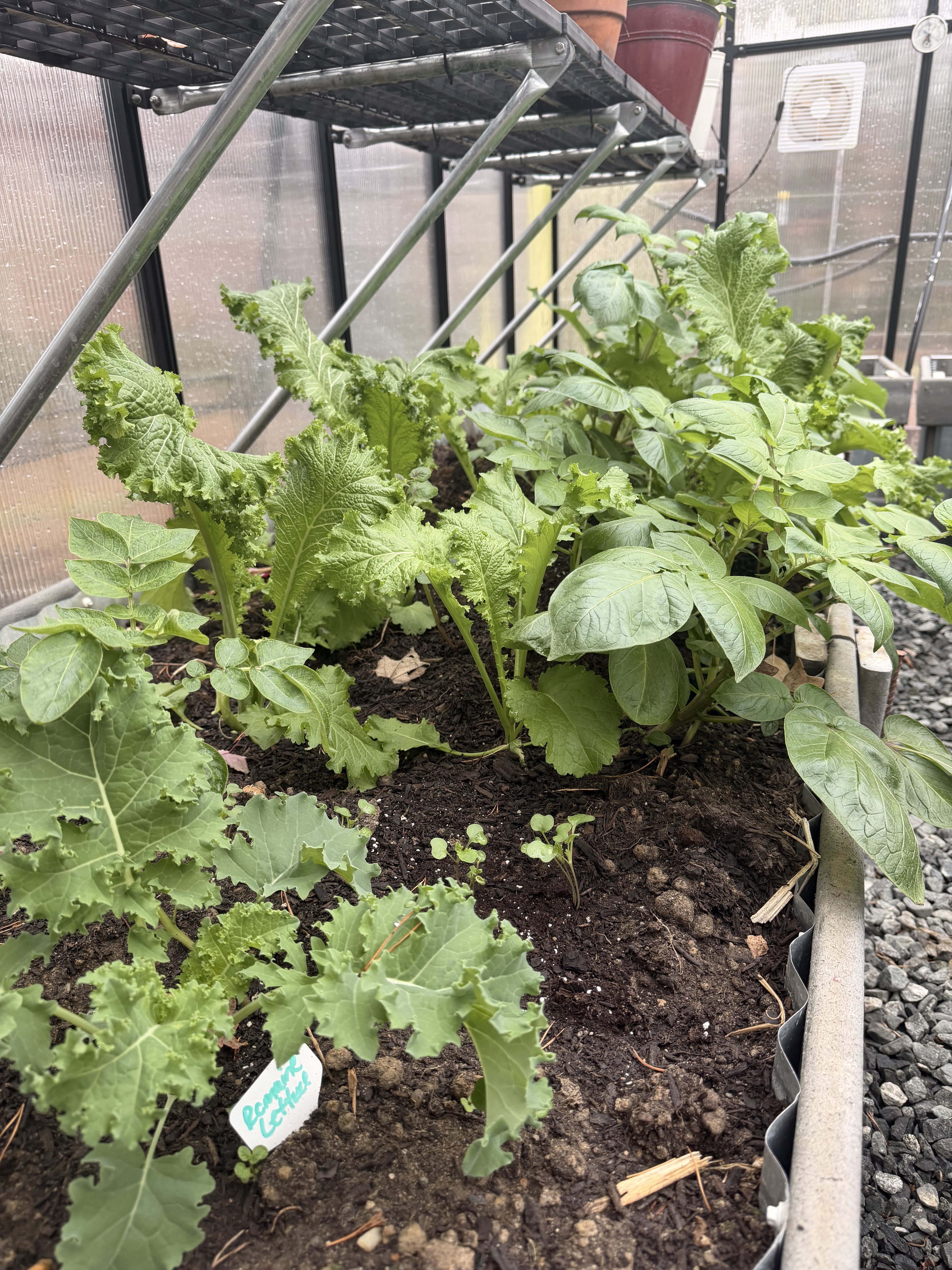
Every year on the homestead begins the same way: with quiet winter mornings, seed catalogs spread across the table, and big dreams rooted in practical plans. Goal-setting has become one of the most important tools we use here at J & J Homestead—not just to keep us organized, but to keep us intentional.
Over the years, I’ve learned that sharing goals openly helps others see what’s possible, even on a small or growing homestead. You don’t need hundreds of acres or unlimited time. What you need is clarity, consistency, and the willingness to learn as you go.
For 2026, our goals reflect growth—growth in skills, livestock, sustainability, and income—while staying true to why we homestead in the first place. If you’re planning your own year ahead, I hope this list inspires you to dream big while taking realistic, achievable steps.
Launching the Farmstand
One of our biggest and most exciting goals for 2026 is officially getting the J & J Homestead farmstand up and running.
This has been years in the making—planning the space, choosing what to grow, understanding regulations, and building enough consistency in production to serve our community confidently. In 2026, the farmstand moves from “planning phase” to reality.
Our goals for the farmstand include:
- Finalizing and preparing the physical farmstand location
- Offering seasonal vegetables grown right here on the homestead
- Selling eggs, honey, starter plants, and select baked goods (within Virginia cottage food guidelines)
- Creating a welcoming, honest space where customers can connect with where their food comes from
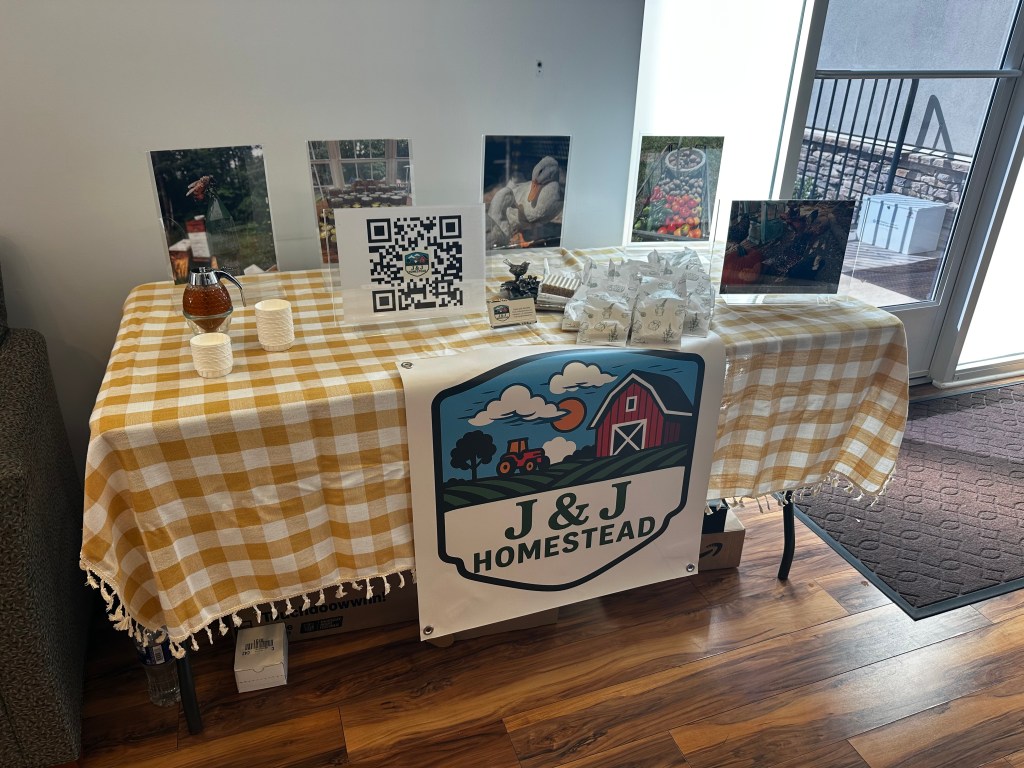
For other homesteaders, this goal is a reminder that it’s okay if things take time. A successful farmstand isn’t rushed—it’s built on reliability and trust.
Making the Farmstand Profitable (Even on a Small Scale)
Starting a farmstand is one thing. Making money with it is another—and that’s an intentional goal for 2026.
Profit doesn’t mean massive scale. For us, it means:
- Tracking expenses and income more carefully
- Pricing products sustainably (for both us and the customer)
- Growing crops with dual purpose: feeding our family and supporting sales
- Reducing waste by selling excess produce, eggs, and plants
One of the biggest lessons I want other homesteaders to take from this is that profitability and ethics can coexist. Even modest income from a farmstand can help offset feed costs, seed purchases, and infrastructure improvements—making the homestead more resilient long term.
Raising Meat Birds for the Second Year
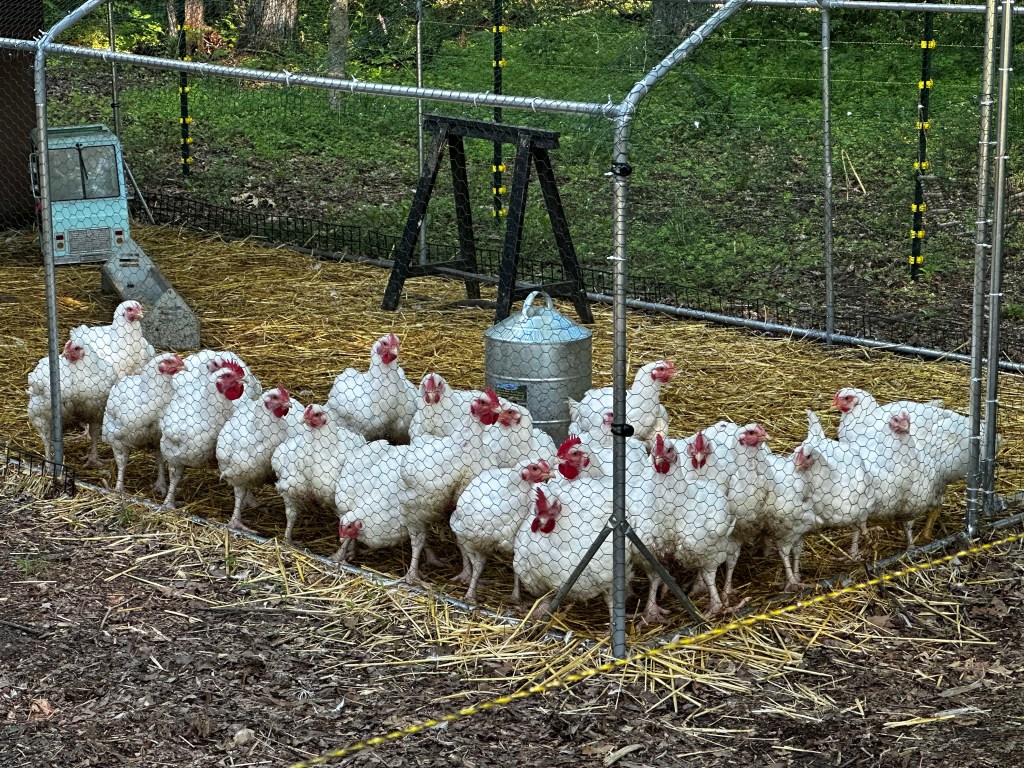
In 2026, we’ll be raising meat birds for the second year in a row, and that experience matters.
The first year taught us more than any book or checklist ever could—about timing, processing schedules, feed conversion, and emotional readiness. The second year is about refinement.
Our goals include:
- Improving our brooder and grow-out setup
- Streamlining daily care routines
- As always, raising healthy birds
- Continuing to learn what works best for our land and schedule
For anyone considering meat birds, know this: you don’t have to get it perfect the first year. Progress comes from repetition and reflection.
Adding New Chicken Breeds to the Flock
Chickens will always be at the heart of our homestead, and 2026 includes thoughtfully adding new chicken breeds to the flock.
This isn’t about collecting chickens for the sake of it—it’s about balance and purpose. We’re focusing on:
- Improving egg production consistency
- Adding hardy, cold-tolerant breeds
- Exploring dual-purpose birds that fit homestead needs
- Maintaining a healthy, manageable flock size
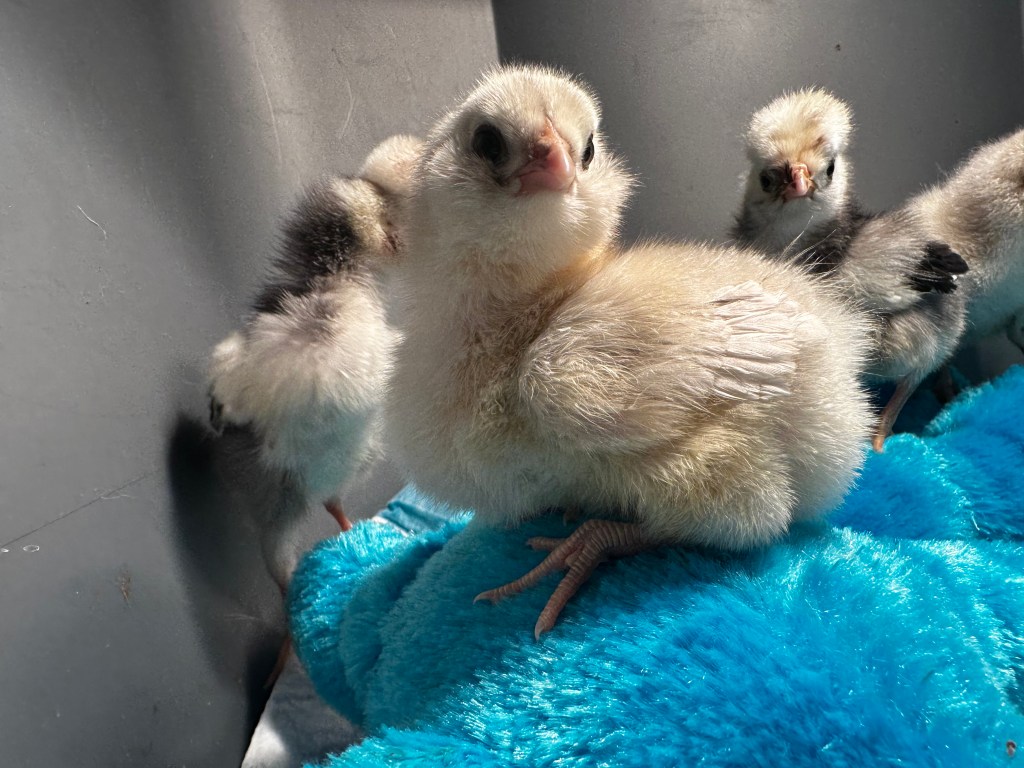
Sharing this goal is important because so many new homesteaders think they must start big. In reality, intentional additions over time lead to healthier flocks and happier keepers.
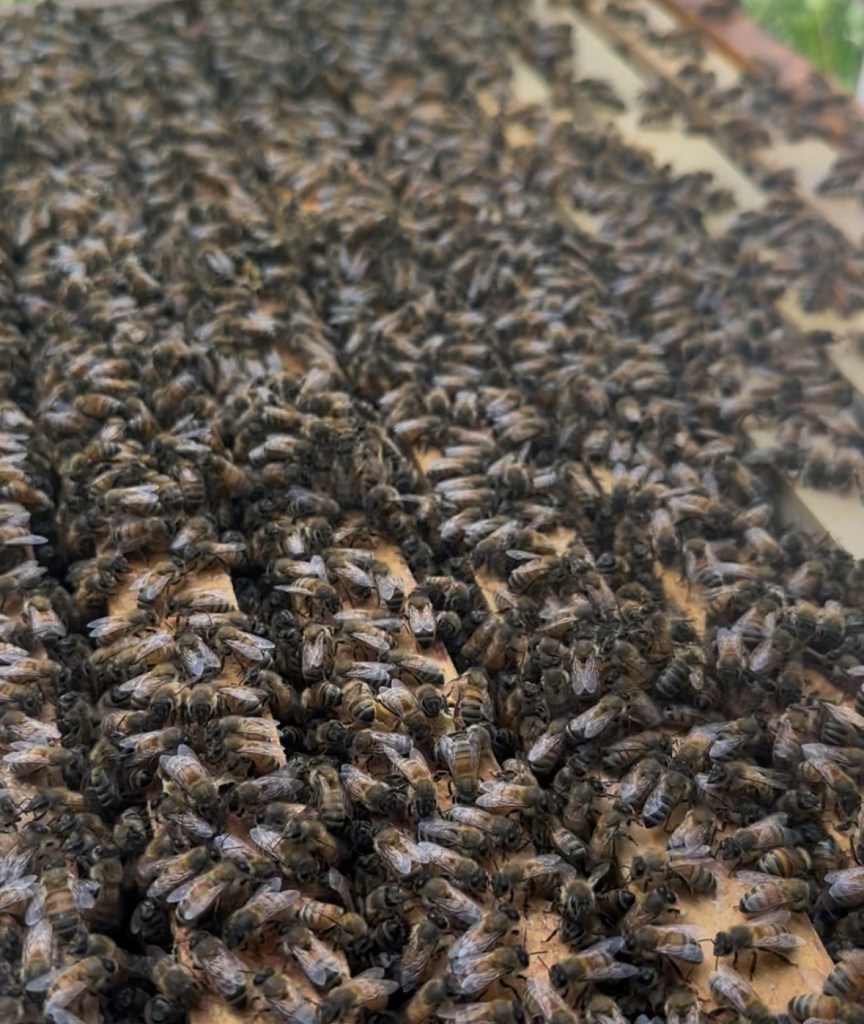
Expanding the Apiary: Splitting Four Bee Hives
Beekeeping continues to stretch and humble us, and in 2026 one of our most ambitious goals is splitting four honeybee hives.
This goal represents growth—not just in hive numbers, but in confidence and skill. Hive splits require careful timing, observation, and respect for the bees.
Our focus will be:
- Maintaining strong overwintered colonies
- Creating healthy, sustainable splits
- Increasing honey production without stressing the bees
- Continuing education and hands-on learning
For fellow beekeepers, this goal highlights something important: expansion should come from strength, not pressure. Healthy bees always come first.
Growing with Content, Community, and Education
2026 is also about continuing to share what we’re learning—honestly and transparently, whether it is through our website, Instagram, Facebook, Pinterest or YouTube.
Our goals include:
- Creating more educational blog content
- Expanding podcast and long-form discussions
- Sharing real-time lessons (including mistakes)
- Building a community centered on learning, not perfection
Homesteading isn’t about having all the answers. It’s about being willing to ask questions—and sharing what you discover along the way.
Building a More Sustainable, Resilient Homestead
Underlying all of our 2026 goals is one core theme: resilience.
We’re working toward:
- Better planning across seasons
- More efficient use of space and resources
- Systems that support us even during busy or difficult times
- A homestead that feeds both our family and our purpose
This is the kind of growth that doesn’t always show up in photos—but it’s what makes everything else possible.
A Final Thought for Fellow Homesteaders
If there’s one thing I hope other homesteaders take away from this 2026 goal list, it’s this: progress is built in layers.
You don’t have to do everything at once. Start where you are. Set goals that stretch you just enough. Learn, adjust, and keep going.
This year, our goals are rooted in intention, sustainability, and sharing the journey—and I can’t wait to see where 2026 takes us.
Here’s to another year of growing, learning, and homesteading with purpose.

Leave a Reply