What’s your dream job?
If you had asked me years ago what my dream job was, homesteading probably wouldn’t have been my answer. Like many people, I followed a traditional career path—one that I’m grateful for and still genuinely enjoy. I have a meaningful job, supportive colleagues, and work that challenges me. And yet, somewhere between early morning coop checks, garden planning sessions, and tending bees as the sun goes down, something shifted.
Without fanfare or a grand plan, homesteading quietly became more than a hobby. It became a calling.
Loving My Career — and Still Wanting More
I want to be clear about something upfront: I don’t dislike my job. In fact, I’m proud of the work I do. It’s stable, purposeful, and intellectually engaging. But homesteading has introduced a different kind of fulfillment—one that works on a deeper, more personal level.
Homesteading asks something of me that no office ever has. It asks me to be observant, patient, adaptable, and humble. It asks me to learn constantly and to accept that some lessons only come through failure. There are no shortcuts when you’re caring for animals, growing food, or stewarding land. The results of your decisions show up quickly—and honestly.
That accountability, as demanding as it can be, is incredibly grounding.
Finding Purpose in Daily, Tangible Work
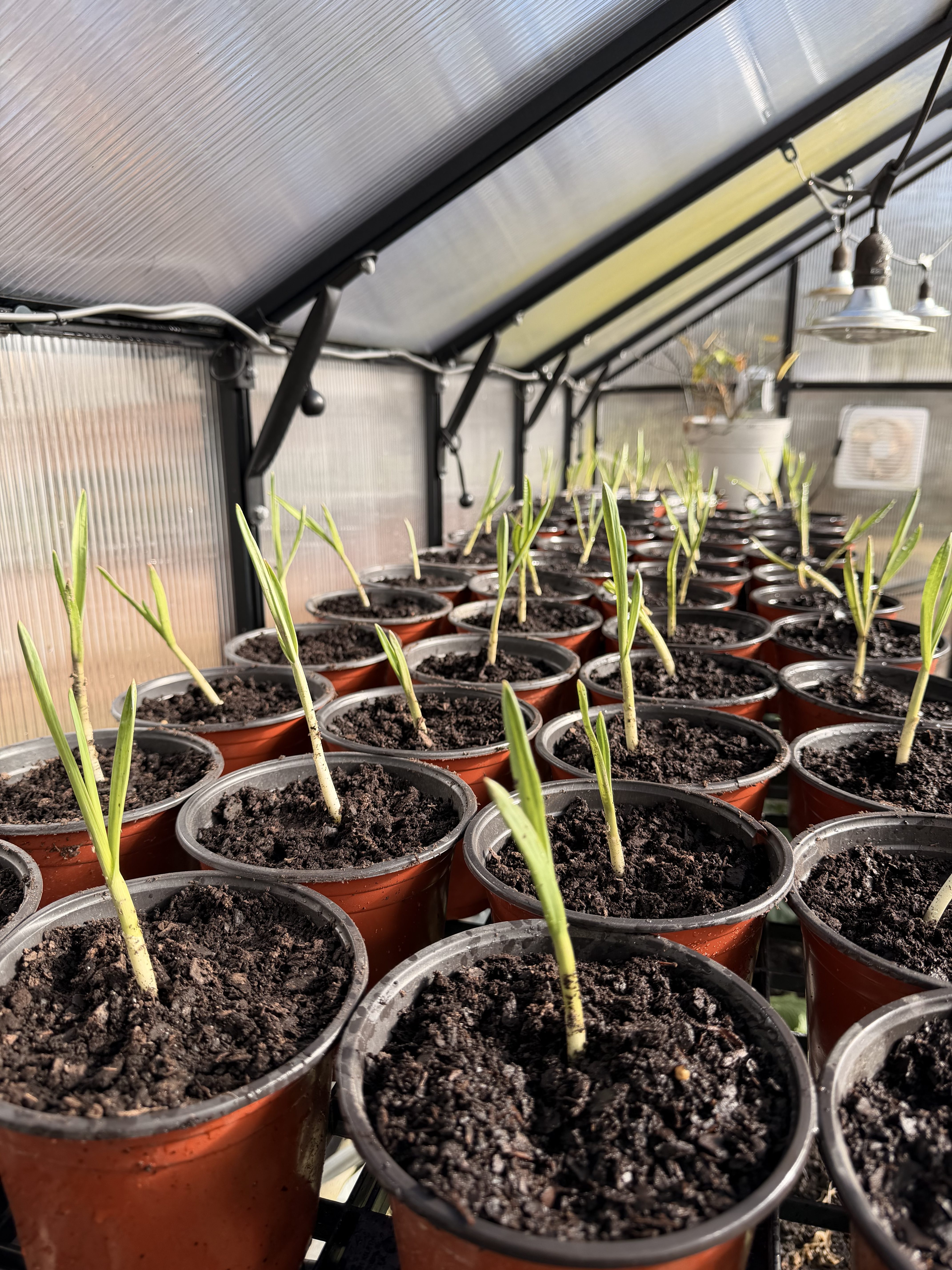
One of the most surprising things about homesteading is how meaningful the small, repetitive tasks become. Feeding animals. Collecting eggs. Pulling weeds. Starting seeds. Fixing something that broke—again.
These tasks don’t look impressive on paper, but they are deeply satisfying. At the end of the day, I can see what I’ve accomplished. I can point to food grown, animals cared for, systems improved. There’s a clarity to that kind of work that’s hard to replicate elsewhere.
Homesteading has reminded me that purpose doesn’t always come from big titles or long-term projects. Sometimes it comes from doing the same small things well, day after day, and watching them add up over time.

Learning to Think Like a Long-Term Planner
Homesteading has also reshaped how I think about time. Everything operates on seasons instead of deadlines. You plan months—sometimes years—ahead. A decision made in January affects what you harvest in July. A mistake this year becomes a lesson you apply next year.
That long-term mindset has changed me in ways I didn’t expect. It’s made me more patient, more strategic, and more forgiving of slow progress. Growth on the homestead is rarely instant, but it’s almost always meaningful.
And there’s something powerful about investing in work that will quite literally feed your family and community in the future.
Turning a Passion into a Profitable Homestead
As fulfilling as homesteading is, passion alone doesn’t make it sustainable. One of our biggest goals is turning our homestead into a profitable venture—not because we want it to become something big and industrial, but because we want it to be viable.
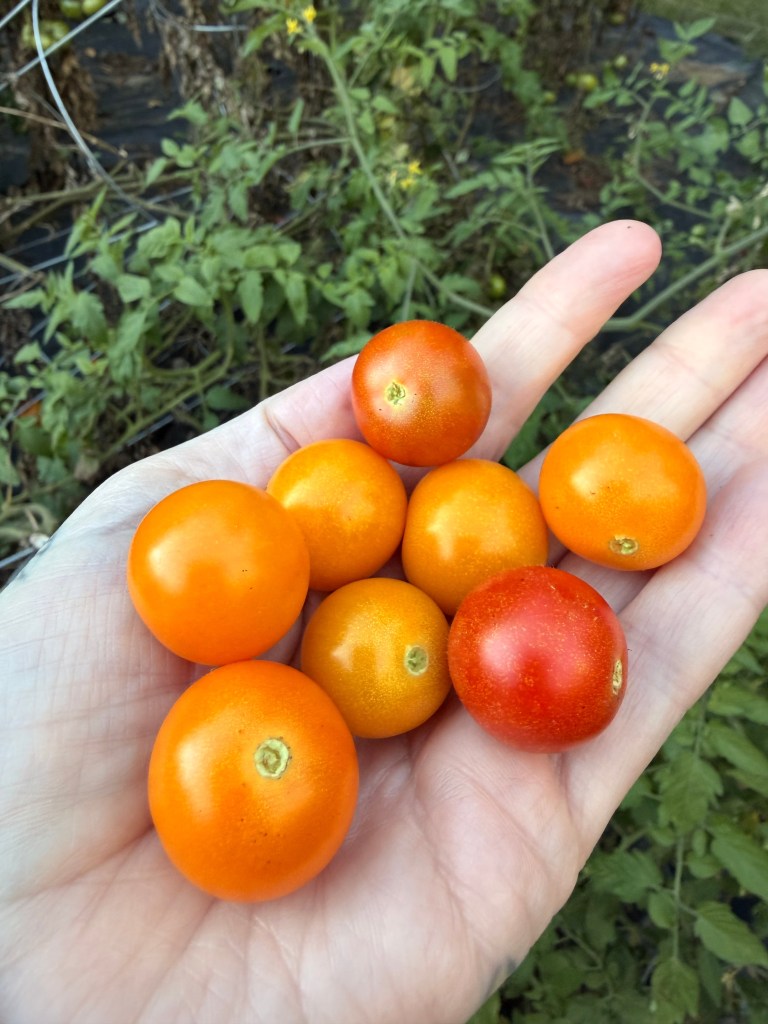
There’s hope in that process. Hope that careful planning, consistency, and learning can turn something built with intention into a source of income. Selling vegetables, eggs, honey, plants, and farmstand goods isn’t just about money—it’s about proving that small-scale, thoughtful homesteads still have a place in today’s world.
Every step we take toward profitability feels like a step closer to freedom. Freedom to choose how we spend our time. Freedom to build a life that aligns more closely with our values. Freedom to imagine a future where homesteading isn’t just something we squeeze in before and after work—but the work itself.
Why Homesteading Feels Like a Dream Job
What makes homesteading feel like a dream job isn’t that it’s easy—because it isn’t. It’s physically demanding, mentally challenging, and sometimes emotionally exhausting. Animals get sick. Crops fail. Plans change.
But it’s meaningful in a way that’s hard to explain unless you’ve experienced it.
Homesteading combines creativity, problem-solving, physical work, education, and purpose into one lifestyle. It allows me to learn constantly, contribute tangibly, and build something that feels deeply personal. It’s work that aligns with who I am becoming, not just what I do.
Holding Space for Both Dreams
Right now, I’m living in two worlds. One is structured, professional, and familiar. The other is messy, muddy, unpredictable—and full of possibility. Instead of feeling torn between them, I’m learning to let them coexist.
Homesteading doesn’t require me to abandon my current career overnight. It gives me something to work toward. A vision that unfolds slowly, intentionally, and realistically.
That’s what makes it hopeful rather than overwhelming.
For Anyone Feeling the Same Pull
If you’re reading this and quietly wondering whether homesteading could be more than a hobby for you too, know this: you don’t have to have it all figured out. You don’t need acres of land, perfect systems, or a five-year plan.
Start where you are. Pay attention to what lights you up. Notice what work leaves you tired but fulfilled. Dreams don’t always announce themselves loudly—sometimes they show up disguised as chores you look forward to doing.
Homesteading may not have started as my dream job, but it’s becoming one. And with patience, persistence, and a lot of learning along the way, I’m hopeful that one day it will be my full-time reality.

Leave a Reply