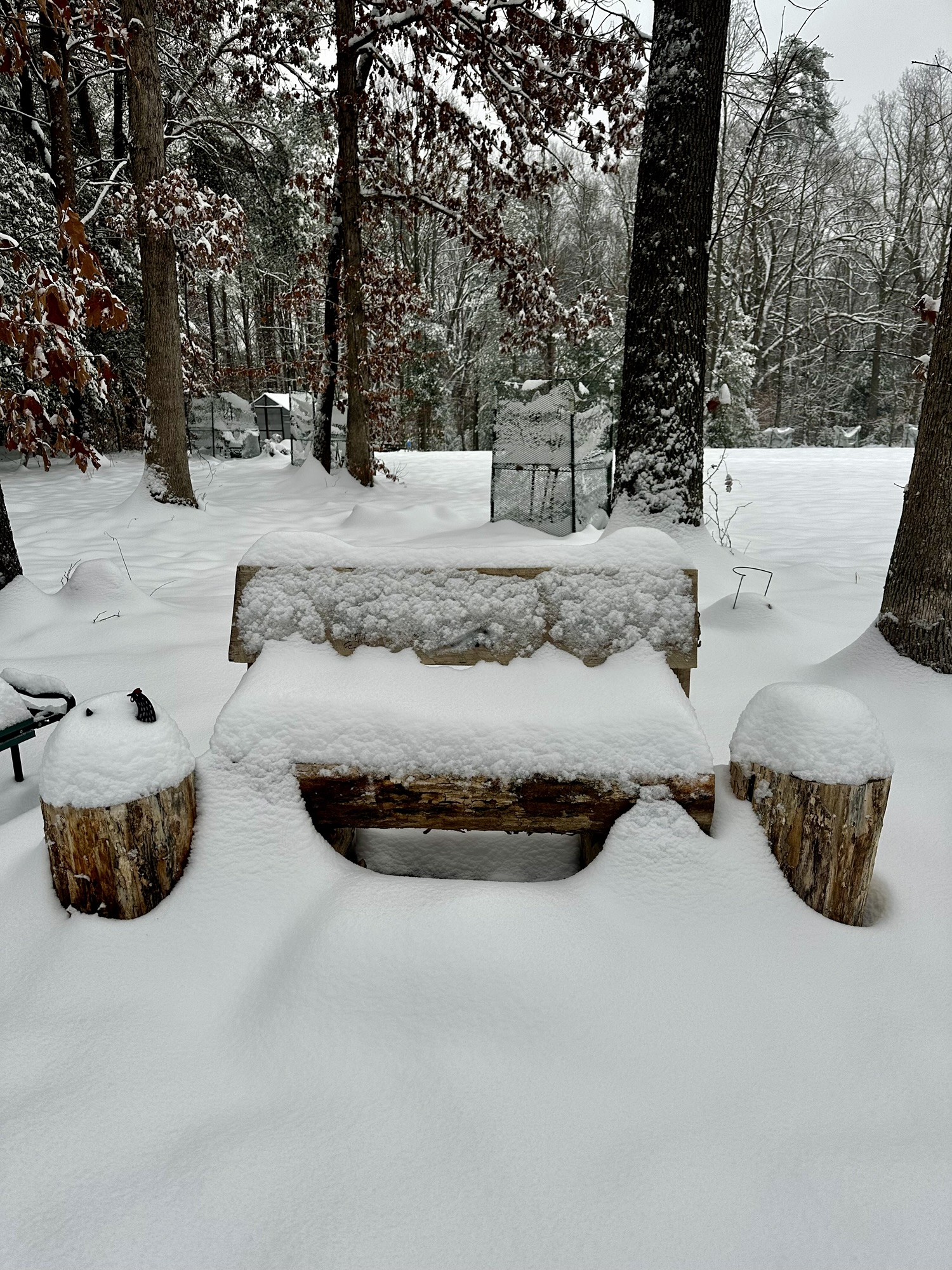
Living on a homestead has a way of making you watch the weather a little more closely. A winter storm isn’t just about snow days or cozy candles—it affects animals, water, food, and daily routines. Over the years, we’ve learned that having a simple plan in place makes all the difference. That’s where the 72-Hour Rule for Homesteads comes in.
The idea is simple: your homestead should be able to function on its own for at least three days without power, store runs, or outside help. It’s not about fear or hoarding supplies—it’s about peace of mind when the forecast starts looking questionable.
What Is the 72-Hour Rule?
The 72-Hour Rule is a preparedness guideline that encourages households to be self-sufficient for three days during an emergency. For homesteaders, those emergencies often look like snowstorms, ice, high winds, or extended power outages.
Three days may not sound like much, but when roads are blocked and power crews are overwhelmed, it can feel like a very long time. Having what you need already on hand means you can focus on caring for your animals and family instead of worrying about what you forgot.
Why This Rule Matters So Much on a Homestead
On a homestead, everything is connected. When one system goes down, it can quickly affect the rest.
A winter storm might mean:
– Frozen water lines
– Automatic coop doors that stop working
– Greenhouses that lose heat overnight
– Freezers at risk during power outages
– Animals that still need daily care—no matter the weather
The 72-Hour Rule helps you think through those “what ifs” ahead of time, so you’re not making decisions in the middle of a storm.
The 5 Core Areas of the 72-Hour Rule for Homesteads
1. Water Comes First
Water is always the top priority, and it’s one of the easiest things to overlook.
Think about:
– Drinking water for everyone in the household
– Extra water for animals
– Backup water if pipes freeze or pumps stop working
Homestead tip:
Keep water stored in sturdy containers and rotate it regularly. Buckets and pitchers are simple tools, but they’re invaluable when hoses are frozen solid.
2. Feed and Animal Care
Animals don’t take snow days.
For each species on your homestead, plan for:
– At least three extra days of feed
– Additional bedding to keep animals dry and warm
– A manual way to feed and water if automation fails
– Safe lighting for early morning and evening chores
Homestead tip:
Store feed where it stays dry and accessible—even if snow piles up in unexpected places.
3. Power Outages and Staying Warm
Winter storms and power outages often go hand in hand.
It helps to have a plan for:
– Generators that are tested and fueled
– Safe backup heat sources
– Extra insulation for coops and greenhouses
– Flashlights, lanterns, and headlamps
Homestead tip:
Focus on keeping animals and water warm first. A well-insulated space can hold heat surprisingly well.
4. Food for the Family
Your pantry and freezer become incredibly important during outages.
Make sure you have:
– Easy meals that don’t require much cooking
– A plan for frozen food if the power goes out
– A manual can opener and basic cooking supplies
– A few comfort foods—because morale matters too
Homestead tip:
Freezing jugs of water ahead of a storm helps keep freezers cold longer and gives you extra water once they thaw.
5. Taking Care of People
It’s easy to focus entirely on animals and forget about yourself.
Don’t forget:
– Warm clothing and extra layers
– Medications and a basic first aid kit
– Candles, matches, and batteries
– Books, games, or activities for long days inside
Homestead tip:
Talk through the plan with everyone in the house ahead of time. When everyone knows what to expect, storms feel a lot less stressful.
Three Days Is a Starting Point
On a homestead, the 72-Hour Rule is a minimum, not a finish line.
Power can take longer to restore. Roads may not be cleared right away. Feed deliveries and store runs may be delayed longer than expected. Each storm teaches you something new—and those lessons help you improve your setup year after year.
Building a 72-Hour Plan Without Feeling Overwhelmed
Preparedness doesn’t mean doing everything at once.
Start where you are:
– Identify the systems you rely on most
– Add one backup at a time
– Keep notes after each storm about what worked and what didn’t
Over time, the 72-Hour Rule becomes less of an emergency checklist and more of a natural rhythm of homestead life.
Prepared, Not Panicked
Homesteading is about learning, adapting, and becoming more self-reliant as time goes on. The 72-Hour Rule fits right into that mindset. When storms roll in, being prepared allows you to slow down, stay safe, and focus on what truly matters.
That kind of preparedness isn’t about fear—it’s about confidence.

Leave a Reply