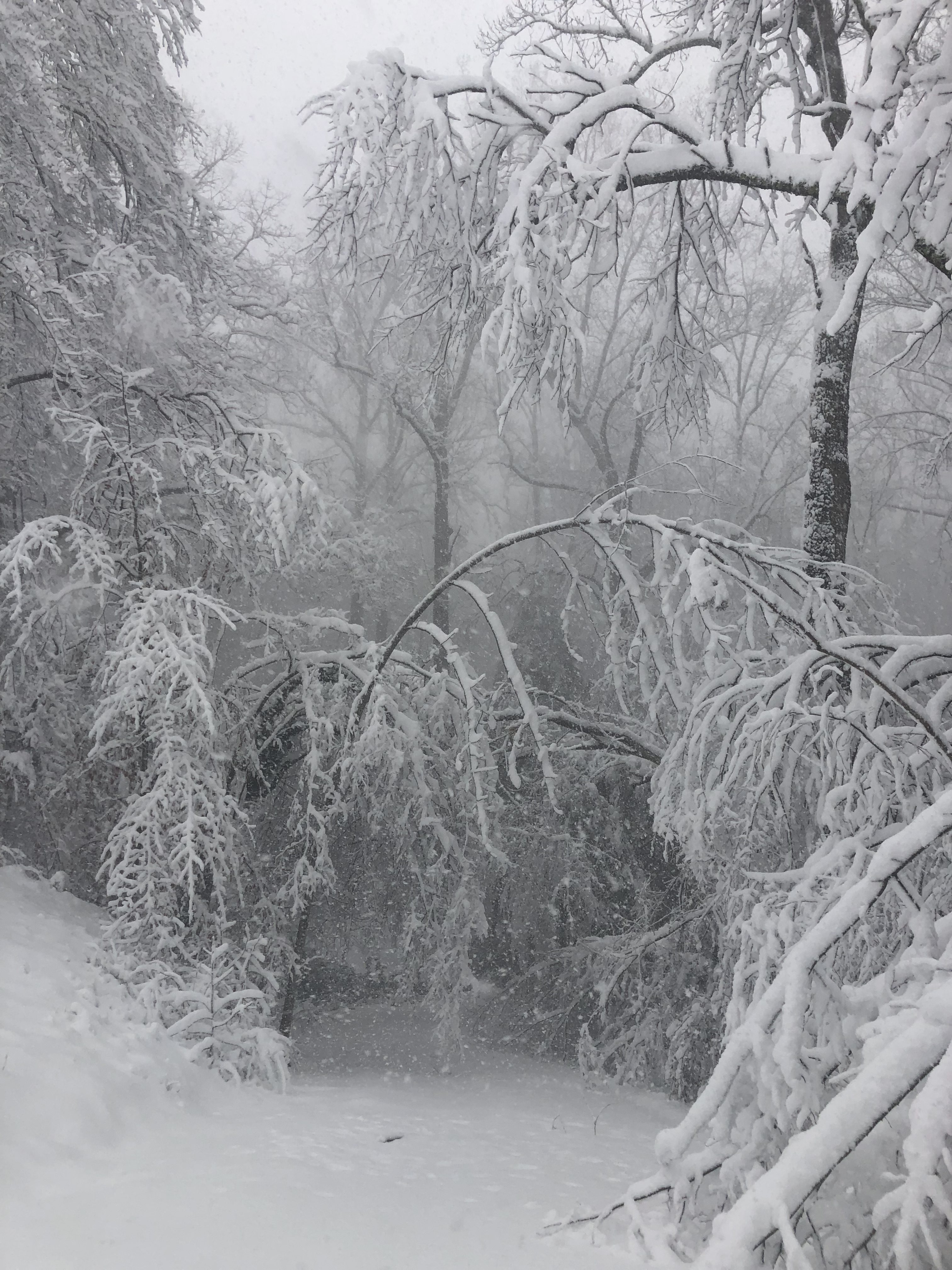
Preparing for a winter storm isn’t just about supplies—it’s about managing fear, responsibility, and the emotional weight of protecting your homestead.
When you live on a homestead, winter storms hit differently. Yes, there are practical concerns—feed, water, heat, and power—but there’s another side of storm prep that doesn’t get talked about nearly enough. The mental load. The quiet anxiety. The responsibility that sits heavy on your shoulders when animals, food systems, and family all depend on you.
This is the side of winter storm prep that doesn’t fit neatly into a checklist, but it’s just as real—and just as important.
The Anxiety of Watching the Forecast
For homesteaders, checking the weather isn’t casual. It’s intentional, repetitive, and sometimes exhausting.
Each update brings a new wave of questions:
Will the power stay on? Will the roads be passable? Will the animals stay warm and safe? Did we forget something important?
There’s a unique kind of anxiety that comes with knowing you can’t simply “ride it out” indoors. Chores still have to be done. Water still has to be hauled if lines freeze. Animals still need care no matter how hard the snow falls.
Watching the forecast becomes a mental loop—planning, adjusting, second-guessing—long before the first snowflake hits the ground.
Lessons Learned From Past Outages
Most homesteaders can point to at least one storm that changed how they prepare.
For us, it was a winter storm in 2022 that left us without power for an entire week. At the time, we thought we were prepared. We had supplies. We had plans. But living through an extended outage taught us lessons no checklist ever could.
We learned how quickly small inconveniences turn into major stressors. How decision fatigue builds when every task requires extra steps. How emotionally draining it can be to constantly ask, Is everyone okay? Is everything holding up?
Those experiences don’t just change how you prep—they change how you feel when storms are in the forecast again.

The Weight of Protecting Animals
One of the heaviest emotional burdens of homesteading during winter storms is the responsibility for animal lives.
Animals can’t advocate for themselves. They rely on us completely—for warmth, water, food, and safety. When storms threaten power or access, that responsibility can feel overwhelming.
It’s common to lie awake at night wondering:
Are the coops warm enough? Will the water freeze before morning? What if the outage lasts longer than expected?
This pressure isn’t weakness—it’s care. And acknowledging that emotional weight is part of being a thoughtful, responsible homesteader.
Balancing Preparedness With Burnout
There’s a fine line between being prepared and being emotionally exhausted.
Homesteaders are planners by nature, but winter storm prep can easily turn into overthinking. Endless lists. Constant checking. The feeling that if something goes wrong, it’s because you missed something.
The truth is: no one can prepare for every possible scenario.
At some point, preparation has to give way to trust—in your systems, your experience, and your ability to adapt. Burnout helps no one, especially during a storm when clear thinking matters most.
Keeping Kids Calm and Involved
For families, winter storms can be confusing or even scary for kids—especially when routines change or the power goes out.
One of the best ways to manage that anxiety is involvement. Letting kids help with small, age-appropriate tasks turns uncertainty into purpose. Filling water containers, gathering flashlights, checking on animals together—these moments help children feel included rather than overwhelmed.
Calm, confident adults set the emotional tone of the homestead. When kids see preparedness as routine rather than panic, storms feel less frightening for everyone.
Turning Storm Prep Into a Grounding Ritual
Over time, we’ve learned that storm prep doesn’t have to feel frantic.
When approached intentionally, it can become grounding—almost ritualistic. Checking supplies. Topping off water. Laying out warm clothes. Walking the property and mentally noting what’s secure.
These small acts provide a sense of control in situations where much is out of our hands. They slow us down. They remind us that we’ve done this before—and that we’ll do it again.
Preparedness, when done calmly, can actually reduce anxiety rather than fuel it.
Prepared, Not Perfect
Winter storm prep on a homestead is as much emotional as it is physical. It’s okay to feel nervous. It’s okay to feel tired. It’s okay to acknowledge that carrying responsibility—for animals, food systems, and family—can be heavy.
Preparedness isn’t about perfection. It’s about doing the best you can with what you have, learning from each experience, and giving yourself grace along the way.
Storms will come. Power may go out. Plans may change.
But resilience isn’t just built through supplies—it’s built through experience, reflection, and the quiet confidence that comes from knowing you’re capable of handling whatever comes next.

Leave a Reply