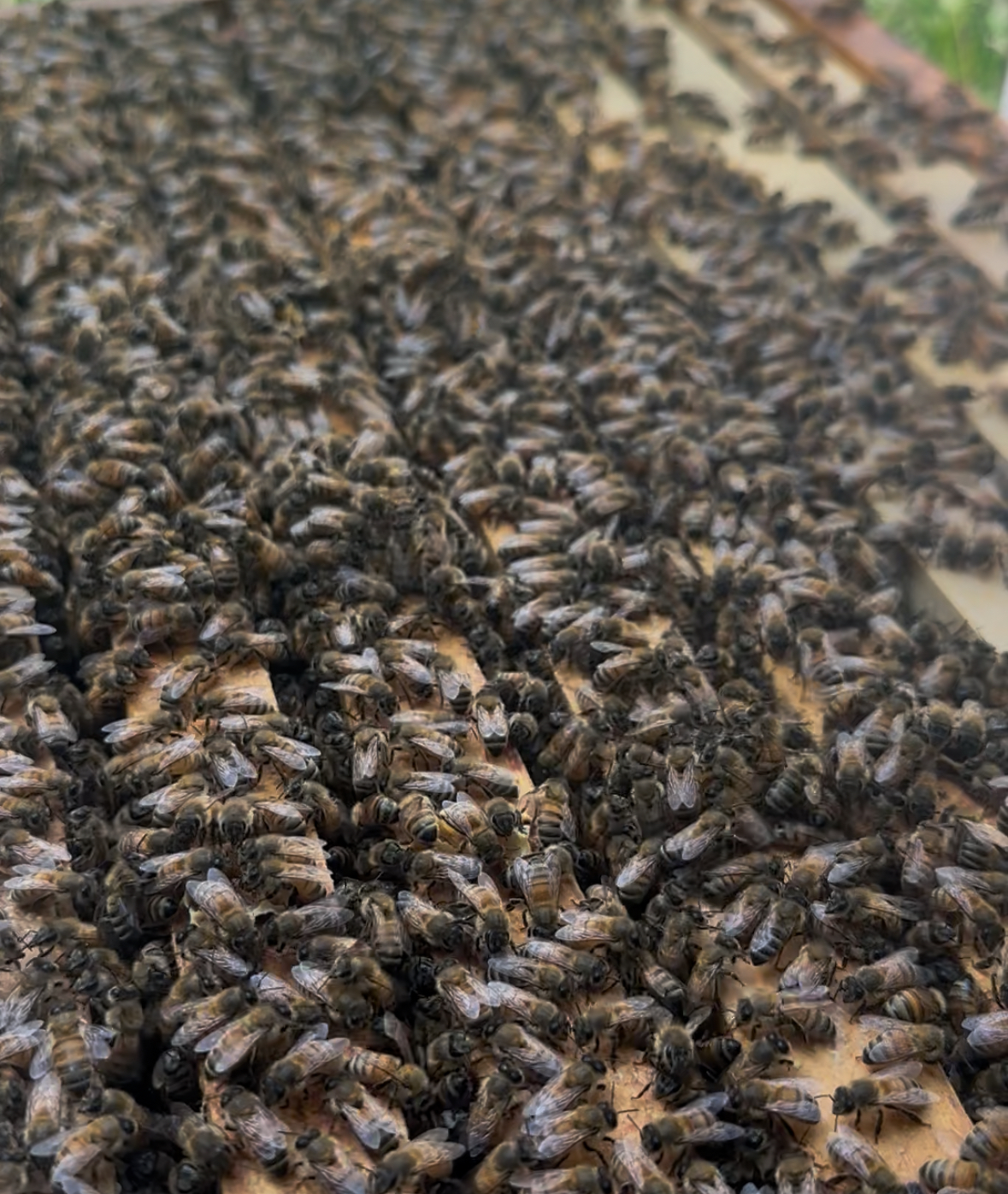
Starvation—not cold—is the real killer.
“Most hives don’t die during the coldest nights—they die when winter looks almost over.”
By the time late winter arrives, many beekeepers breathe a quiet sigh of relief. January has passed. The deep freezes have come and gone. The hive is still standing. From the outside, everything looks fine.
But here’s the hard truth: if a hive is going to fail, late winter is often when it happens—and starvation, not cold, is usually the cause.
If your bees survived January, February is when you should worry most.
The Myth: Cold Is What Kills Bees
It’s natural to assume that freezing temperatures are the biggest threat to a honey bee colony. Winter feels brutal to us, so it must be brutal for them too—right?
In reality, honey bees are remarkably well adapted to cold weather. A healthy colony forms a tight winter cluster, vibrating their flight muscles to generate heat and slowly rotating bees from the inside of the cluster to the outside. As long as they have access to food, they can survive prolonged cold far better than most people expect.
Cold rarely kills a hive outright.
Running out of food does.
Why Late Winter Is So Dangerous for a Hive
Late winter creates a perfect storm of risk inside the hive—one that isn’t always visible from the outside.
Honey Stores Are at Their Lowest
By February, a colony has been living off stored honey for months. Even strong hives that went into winter heavy can be running dangerously low on reserves.
From the outside, the hive may still show activity on warm days. Inside, the pantry may be nearly empty.
Brood Rearing Begins Earlier Than You Think
As daylight slowly increases, the queen often begins laying again in late winter—sometimes well before consistent spring weather arrives.
Once brood rearing starts:
- The cluster expands
- The hive must stay warmer
- Food consumption increases significantly
A colony that was “doing fine” in January can burn through its remaining stores quickly once brood is present.
Bees Can Starve With Honey Still in the Hive
This is one of the most heartbreaking realities of late winter losses.
During cold snaps, the winter cluster may be unable to move sideways or upward to reach remaining honey frames. Breaking the cluster could be fatal, so the bees stay put—even if food is only inches away.
From the outside, this kind of loss can look sudden and confusing. Inside the hive, it’s a slow and silent crisis.
Warm Days Create False Confidence
Late winter often brings a few mild days that feel like a turning point. Bees fly. Pollen comes in. Everything appears to be improving.
But these warm spells can actually accelerate food consumption—and they usually arrive long before reliable nectar sources are available. The bees are spending energy with nothing coming back in yet.
What Late-Winter Starvation Often Looks Like
When hives fail at this time of year, beekeepers commonly find:
- Bees dead head-first in cells
- Very little honey remaining near the cluster
- A population that looks almost strong enough to survive
These losses feel especially cruel because the bees made it through the harshest weather—only to die when spring felt close.
How Beekeepers Can Reduce Late-Winter Risk
Late winter isn’t the time to assume everything is fine. It’s the time to monitor closely and support when needed.
Helpful practices include:
- Hefting hives regularly to assess remaining food stores
- Providing emergency feed, such as sugar bricks or fondant, above the cluster
- Avoiding full inspections during cold weather while still staying observant
- Remembering that surviving January doesn’t guarantee surviving winter
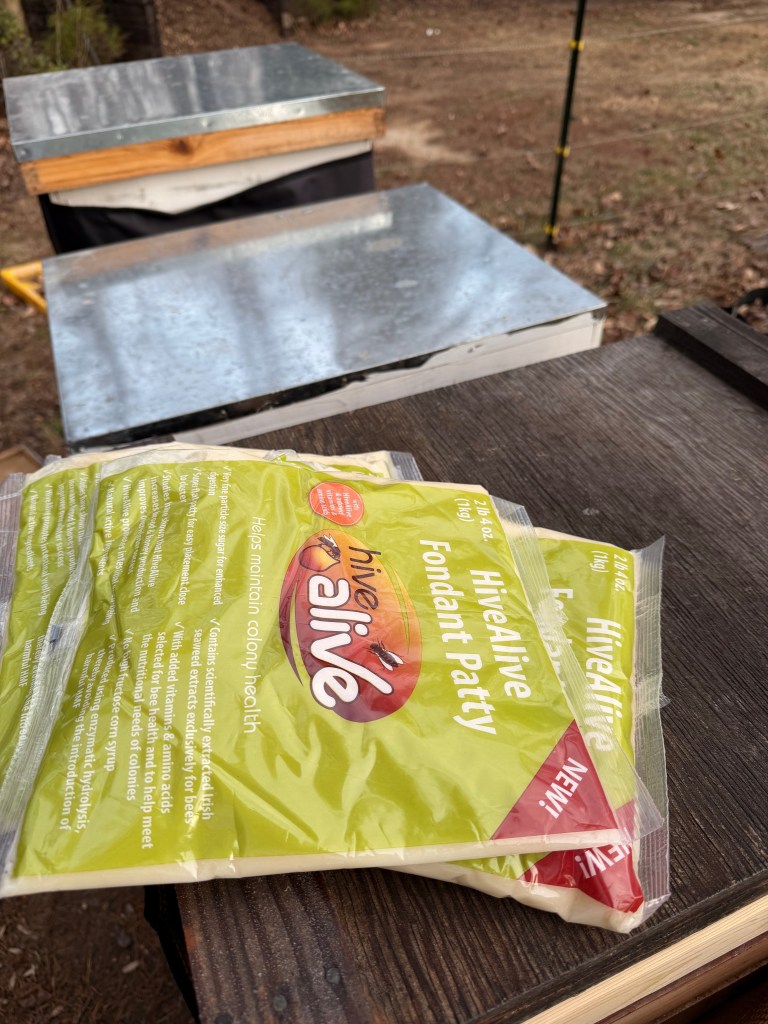
This is often the season where attentive, proactive beekeeping makes the biggest difference.
The Takeaway
Late winter is dangerous not because bees are weak—but because their margins are thin and their timing is precise.
Cold is something bees evolved to survive.
Starvation is the silent threat that claims colonies just before spring.
If there’s one lesson to carry forward, it’s this:
The hive that makes it through January still needs you in February.
Late winter is when beekeeping shifts from waiting to watching—and when small interventions can save an entire colony.

Leave a Reply