
When winter refuses to loosen its grip—and the yard is locked under a layer of ice-crete (or snow-crete, depending on the day)—there’s only so much garden prep that can happen outside. Beds can’t be amended, paths can’t be cleared properly, and any big plans for garden spaces are temporarily on hold. So instead of fighting the weather, I’ve shifted my focus indoors and turned this time into seed-organizing season.
Organizing seeds is one of those quiet, productive tasks that doesn’t get much attention, but it makes an enormous difference once planting season arrives. It’s also the perfect winter reset—warm, unrushed, and full of anticipation for what’s to come.
Start by Gathering Every Last Seed Packet
The first step is simple but important: collect all the seeds. Drawers, baskets, shelves, coat pockets, last year’s garden tote—everything gets dumped onto the table. There’s something oddly satisfying about seeing the entire season laid out in front of you, even if it’s a little chaotic at first.
This step alone usually reveals duplicates, forgotten varieties, and seeds you were sure you didn’t already own. It’s also a great reminder of how much potential is packed into those small envelopes.
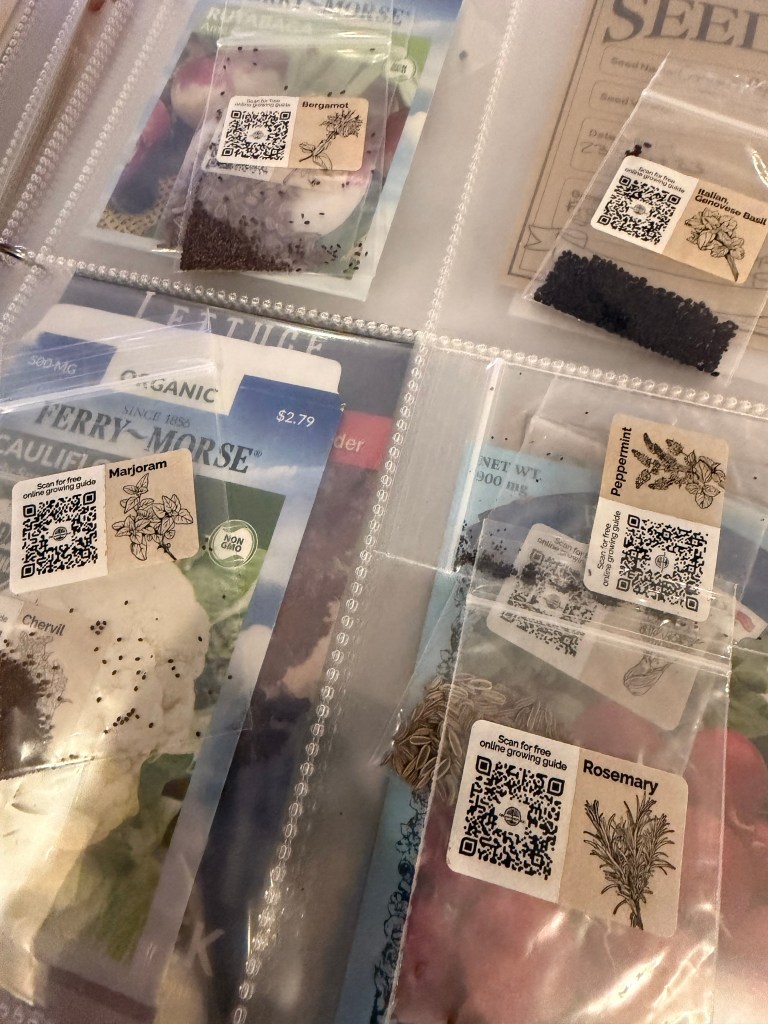
Sort Seeds in a Way That Matches How You Garden
Rather than organizing seeds by brand or packet size, I sort them by plant type—tomatoes with tomatoes, greens with greens, herbs together, flowers together. This mirrors how I actually plan the garden and makes it much easier to find what I need later.
Once they’re grouped by type, I take it a step further and think about timing. Seeds that need to be started early indoors get their own section, while direct-sow crops are grouped separately. When spring gets busy, this simple division saves a surprising amount of mental energy.
Check Dates—But Don’t Panic
Seed packets love to make gardeners nervous with expiration dates, but many seeds remain viable well beyond what’s printed. Instead of tossing anything automatically, I make a mental note of older seeds so I can either use them first or plan a quick germination test later.
This approach keeps waste to a minimum and helps prioritize what needs attention sooner rather than later.
Choose Storage That’s Practical, Not Perfect
Seed organization doesn’t need to be Pinterest-perfect to be effective. Whether it’s a photo storage box, a binder with clear sleeves, or labeled envelopes in an airtight container, the best system is one that’s easy to maintain.
Seeds should be stored somewhere cool, dry, and dark, but accessibility matters just as much. If it’s easy to put seeds away after planning sessions, the system will actually last through the season.
Add Notes for Future You
One of the most valuable habits you can build during seed organization is note-taking. A quick jot about flavor, yield, disease resistance, or whether a variety struggled in your climate can guide better decisions next year.
Future you—standing in the garden with muddy boots and limited time—will be grateful for those quiet winter notes.
Let Winter Planning Set the Tone for Spring
While the ice-covered ground may be limiting what can happen outside right now, organizing seeds keeps the momentum going. It’s a reminder that even when the garden looks frozen and still, the season ahead is already taking shape.
By the time the snow-crete finally melts and the soil is workable again, the decisions will already be made. The seeds will be sorted, the plan will be clear, and planting season will feel exciting instead of overwhelming—which is exactly how it should be.

Leave a Reply