What It Is, How Laws Vary by State, and How Virginia Makes Our Farmstand Possible
If you’ve ever wondered how small homesteads and backyard bakers are legally able to sell homemade bread, cookies, jams, and other treats without opening a full commercial kitchen, the answer is simple: the Cottage Food Industry.
For many homesteaders—including us at J & J Homestead—cottage food laws are what make it possible to turn homegrown ingredients and family recipes into income streams. Here in Virginia, the cottage food framework has opened the door for us to incorporate baked goods into our farmstand offerings alongside eggs, honey, and seasonal produce.
Let’s break down what cottage food laws are, how they vary from state to state, and what they mean for homesteaders looking to build sustainable, small-scale food businesses.
What Is the Cottage Food Industry?
The Cottage Food Industry refers to state laws that allow individuals to produce and sell certain low-risk food products from their home kitchens without needing a commercial food facility license.
These laws were designed to:
- Support small businesses and home-based entrepreneurs
- Encourage local food systems
- Reduce regulatory burdens for low-risk foods
- Help farmers and homesteaders diversify income
Cottage food laws generally apply to non-potentially hazardous foods, meaning foods that do not require refrigeration for safety.
Common examples include:
- Breads and rolls
- Muffins and cookies
- Cakes (without perishable frostings)
- Fruit pies
- Jams and jellies
- Granola
- Dry baking mixes
- Candy and confections
For those of us building small homestead brands, cottage food laws are often the first step toward monetizing our skills in the kitchen.
How Cottage Food Laws Vary by State
One of the most important things to understand about the cottage food industry is this: there is no federal cottage food law. Everything is regulated at the state level.
That means rules vary significantly depending on where you live.
1. Revenue Limits
Some states cap annual sales at relatively low thresholds (for example, $25,000–$50,000), while others allow $100,000+ in sales. A few states have no income cap at all.
If you plan to scale your homestead business, this number matters.
2. Approved Food List
Each state defines what foods are allowed.
- Some states allow only baked goods and shelf-stable items.
- Others allow pickled foods, certain canned goods, or acidified foods with additional testing.
- A few states even allow certain refrigerated items under strict guidelines.
Always check your state’s official list before adding a new product to your lineup.
3. Labeling Requirements
Nearly every state requires:
- A full ingredient list (in descending order by weight)
- Allergen disclosures
- A statement that the product was made in a home kitchen not inspected by the health department
Label wording is often very specific, and non-compliance can lead to fines.
4. Sales Channels
Some states restrict sales to:
- Direct-to-consumer only (This is Virginia, and why we only sell from the farmstand)
Others allow:
- Online sales
- Shipping within the state
- Third-party retail partnerships
Understanding where and how you’re allowed to sell is just as important as what you’re allowed to sell.
Virginia Cottage Food Law: What It Means for Our Homestead
Here in Virginia, cottage food laws are governed under the Virginia Department of Agriculture and Consumer Services (VDACS).
Virginia allows the sale of certain non-potentially hazardous foods produced in a home kitchen without requiring routine kitchen inspections, as long as producers follow labeling and safety requirements.
For us at J & J Homestead, this has been a game changer.
Because of Virginia’s cottage food framework, we’re able to legally offer:
- Blueberry crumble muffins
- Cinnamon rolls
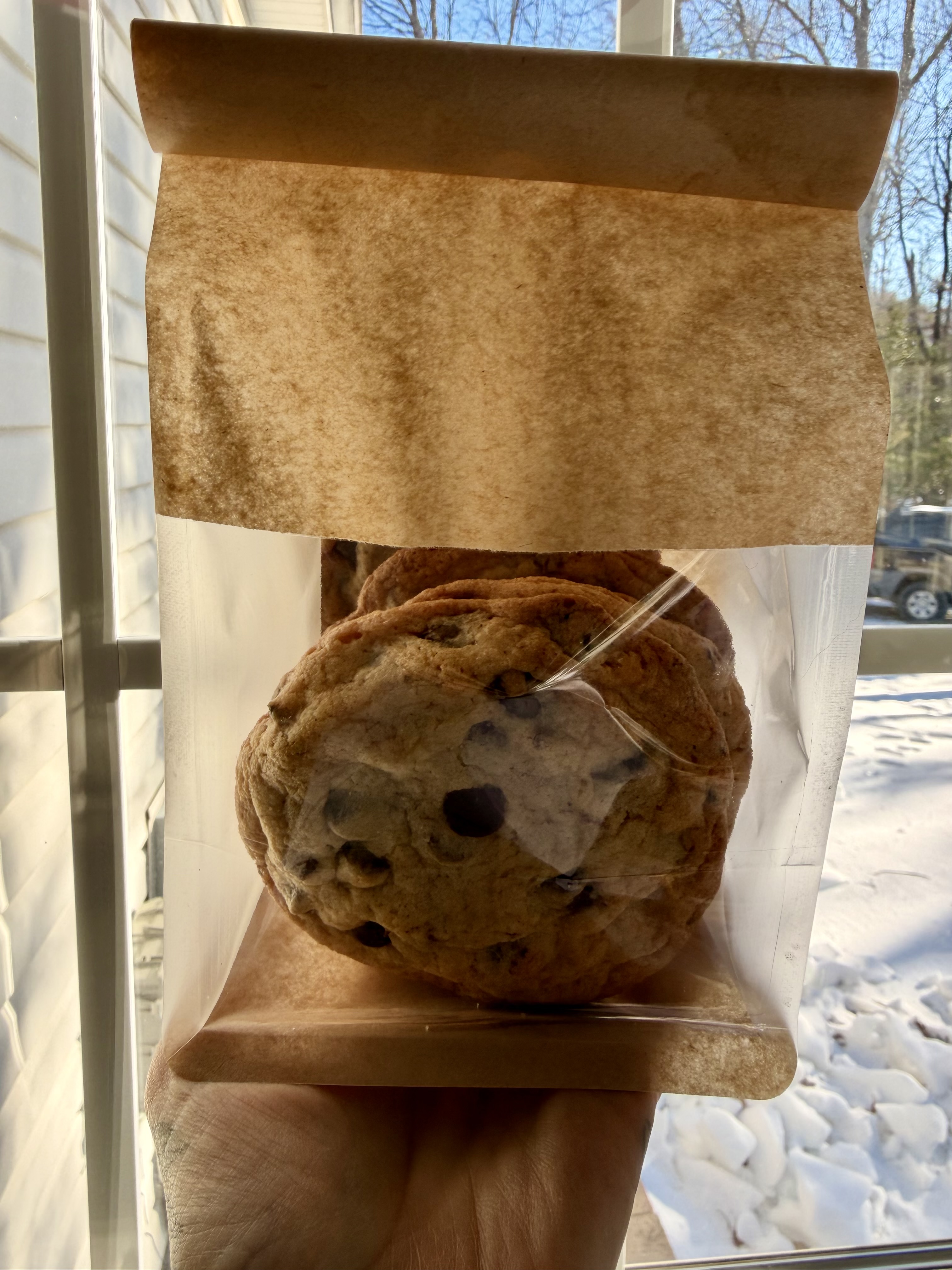
- Chocolate chip cookies
- Other tried-and-true baked goods
Right alongside our:
- Fresh eggs
- Raw honey
- Seasonal garden produce
Without cottage food laws, adding baked goods to our self-serve farmstand would require a commercial kitchen, significantly increasing startup costs and complexity.
Instead, Virginia’s system supports small-scale producers like us who:
- Operate with transparency
- Label properly
- Sell directly to our community
It allows us to test recipes, refine our menu, and grow organically without overwhelming regulatory barriers.
Why Cottage Food Laws Matter for Homesteaders
For homesteading influencers and small farm families, cottage food laws offer:
1. Diversified Income Streams
Egg production fluctuates. Honey harvests vary year to year. Produce depends on weather. Baked goods provide a steady, reliable revenue stream.
2. Lower Barrier to Entry
No commercial kitchen buildout. No industrial lease. No massive overhead.
3. Community Connection
When customers buy a loaf of bread or a cinnamon roll from a farmstand, they’re not just buying food—they’re buying a relationship.
4. Scalable Growth
Many successful small bakeries, farm cafés, and food brands began under cottage food laws before expanding.
Important Considerations Before You Start
If you’re considering selling under your state’s cottage food law, here are a few key steps:
- Review your state’s official cottage food regulations
- Verify your product qualifies as non-potentially hazardous
- Create compliant labels
- Track revenue to stay within income caps
- Consider liability insurance
- Keep detailed records
Even though inspections may not be required, food safety and professionalism should always be a priority.
The Bigger Picture: Building a Sustainable Homestead Business
The Cottage Food Industry isn’t just about muffins and cookies.
It’s about:
- Empowering families
- Encouraging entrepreneurship
- Strengthening local food systems
- Preserving traditional food skills
For us, the ability to sell baked goods at our Virginia farmstand isn’t just convenient—it’s strategic. It allows us to turn time spent in the kitchen into meaningful revenue that supports:
- Our animals
- Our garden expansion
- Our beekeeping
- Our long-term homestead vision
And for homesteaders looking to grow beyond hobby status, understanding cottage food law is one of the most important business steps you can take.
Final Thoughts
If you are dreaming about adding baked goods, jams, or specialty treats to your farmstand, start by researching your state’s cottage food laws. They may be more accessible than you think.
For us here in Virginia, cottage food regulations have created opportunity. They’ve allowed us to combine traditional homestead skills with entrepreneurship—and share that with our community in a way that is both legal and sustainable.
And that, to me, is what modern homesteading is all about: blending heritage with smart business practices so that the lifestyle we love can truly support itself.

Leave a Reply