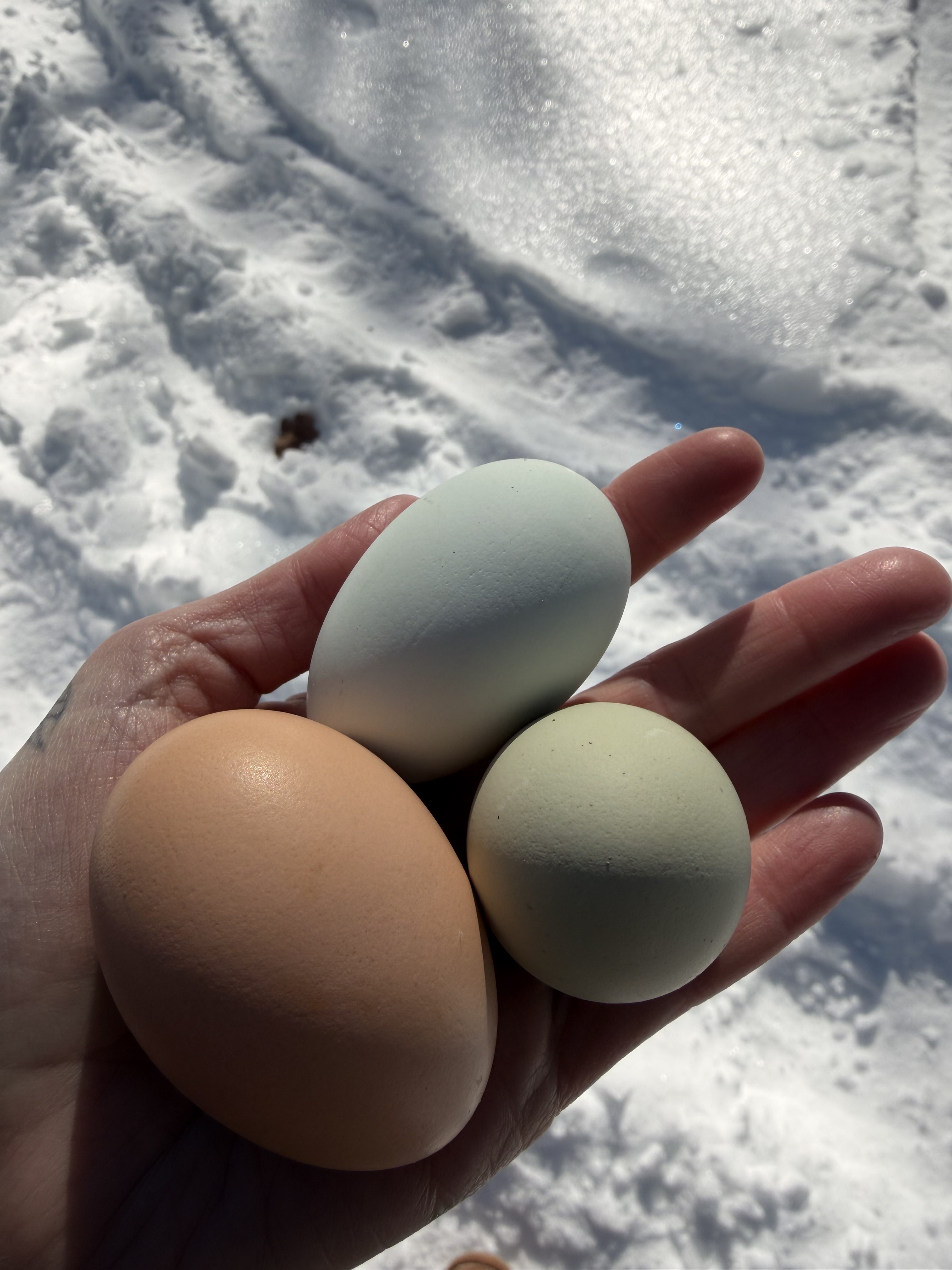
Yesterday during egg collection, we discovered that a couple of eggs had been accidentally cracked in the coop. It is always a little disappointing to find damaged eggs, especially when you work hard to keep nesting boxes clean and your hens comfortable. Instead of throwing them away, we brought the cracked eggs inside, stored them in the refrigerator overnight, and cooked them up for the chickens the next morning, shells and all. It is a simple homestead practice, but one that makes practical and nutritional sense.
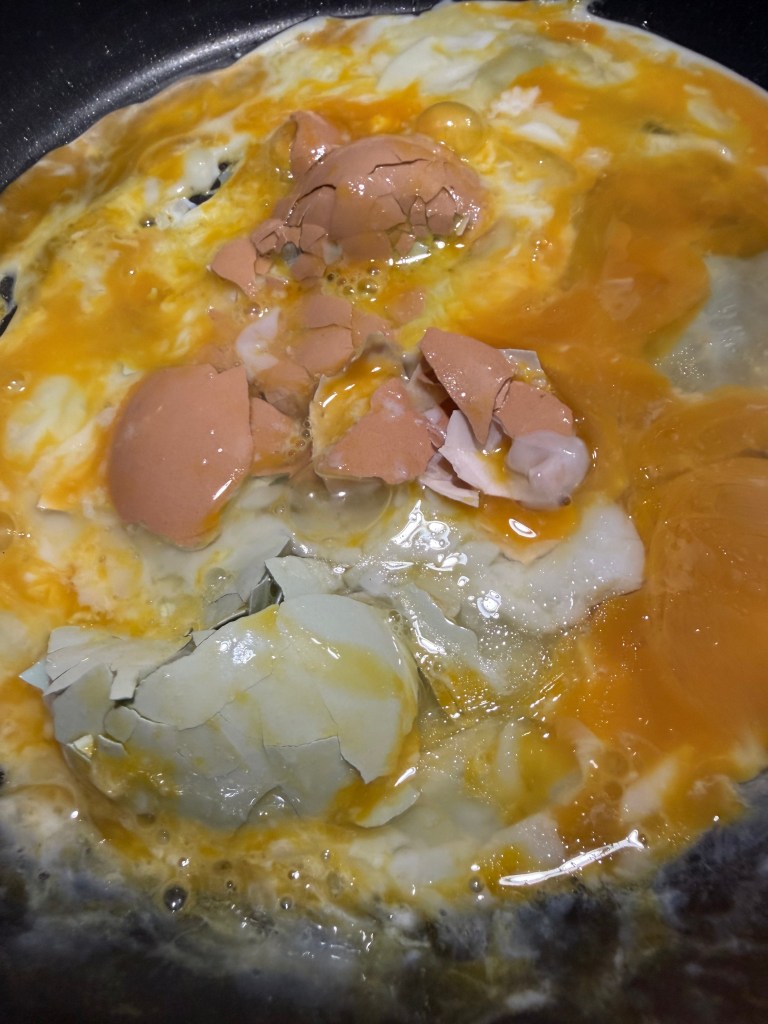
If you are wondering whether you can feed eggs back to chickens, the short answer is yes, as long as they are cooked first. Cracked eggs can harbor bacteria once the protective bloom has been compromised, so refrigerating them promptly and cooking them thoroughly makes them safe to feed. Cooking the eggs also prevents hens from developing a taste for raw eggs. Feeding raw eggs can unintentionally encourage egg-eating behavior in the coop, which is a habit that is notoriously difficult to break. By scrambling or hard-boiling the eggs before offering them to your flock, you eliminate that risk while still preserving the nutritional value.
Eggs are an excellent source of high-quality protein, amino acids, and healthy fats. For laying hens, protein is essential for feather maintenance, muscle development, and consistent egg production. During times of stress, molting, extreme temperatures, or peak laying, an extra protein boost can be particularly beneficial. Feeding cooked eggs back to your chickens is a sustainable way to recycle nutrients directly into your flock rather than letting them go to waste.
Including the shells is just as important. Eggshells are rich in calcium, which laying hens need to produce strong, healthy shells of their own. After cooking the eggs, we crush the shells thoroughly before mixing them in. Crushing them ensures the chickens do not recognize them as intact eggs and helps prevent egg-eating habits. The added calcium supports shell quality, reduces the likelihood of thin or brittle eggs, and complements the free-choice oyster shell many backyard keepers already provide.
This small practice reflects one of the core principles of homesteading and backyard chicken keeping: nothing goes to waste if it can be repurposed safely and responsibly. Cracked eggs do not have to be a total loss. With proper handling, refrigeration, and cooking, they can become a nutritious supplement for your flock. It is a practical, cost-effective, and circular approach to caring for chickens that keeps both your birds and your budget in good shape.
If you collect a cracked egg tomorrow morning, do not be discouraged. Bring it inside, cook it thoroughly, crush the shells, and give it back to the hens. Sometimes the simplest solutions are the ones that strengthen your flock the most.


Leave a Reply