One of the most exciting parts of starting with backyard chickens is choosing which breeds to bring home. It’s also one of the most overwhelming. With hundreds of chicken breeds available—each with different personalities, egg colors, sizes, and care needs—it’s easy to feel unsure where to begin.
The good news is that there is no single “perfect” chicken breed. The right breed for you depends on your goals, your space, your climate, and how involved you want to be in daily care. This guide walks through the most important factors to consider so you can confidently choose chickens that fit your lifestyle and set you up for success.
Start With Your Why: What Do You Want From Chickens?
Before looking at breed names or pictures, take a moment to think about why you want chickens in the first place. Many beginners skip this step and later realize their birds don’t quite match their expectations.
If your main goal is fresh eggs, you’ll want a breed known for consistent laying. If you’re focused on sustainability or food security, dual-purpose breeds that provide both eggs and meat may be a better fit. Some people want chickens primarily as pets or family-friendly animals, while others are interested in colorful eggs, self-sufficiency, or even showing birds.
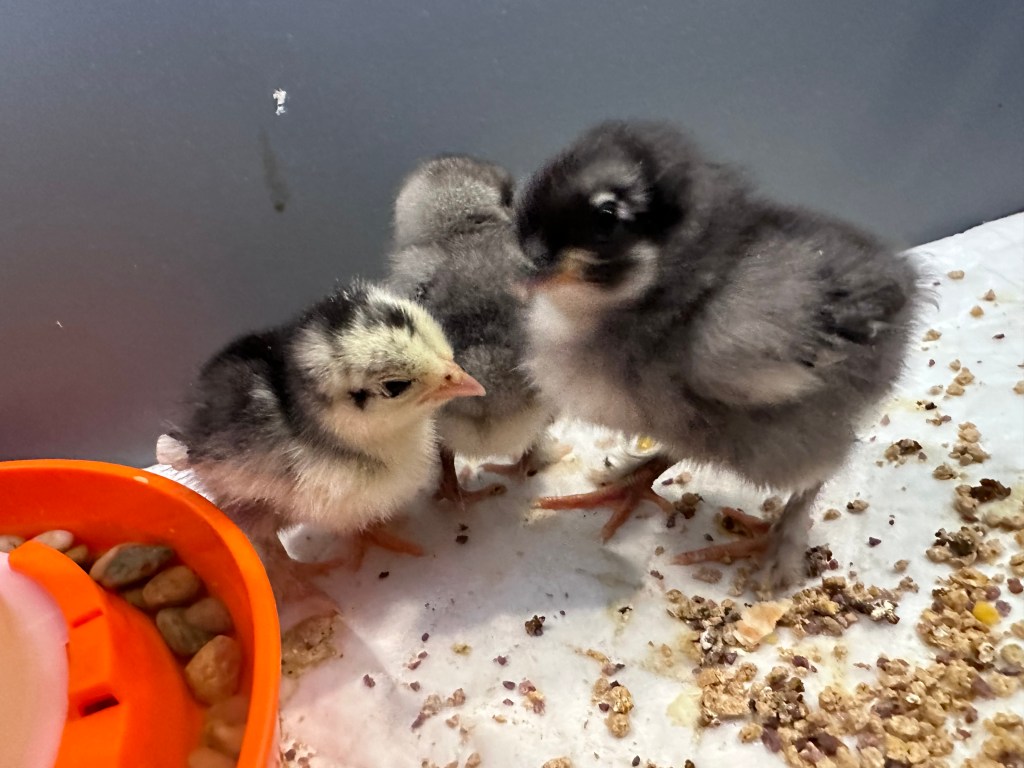
Your goals will naturally narrow your choices and help you avoid breeds that don’t align with what you actually want from your flock.
Consider Your Climate and Environment
Chickens are hardy animals, but different breeds thrive in different conditions. Climate is one of the most important—and often overlooked—factors when choosing a breed.
Cold-hardy breeds tend to have smaller combs and denser feathers, which help protect them from frostbite and winter stress. These breeds usually do well in northern climates and can continue laying through colder months with proper care.

Heat-tolerant breeds often have larger combs and lighter feathering, allowing them to release excess heat more efficiently. If you live in a hot or humid area, choosing a heat-tolerant breed can prevent stress, reduced egg production, and health issues during summer.
Also consider whether your chickens will have plenty of outdoor space or live mostly in a run. Some breeds are excellent free-rangers, while others are calmer and more content in smaller, enclosed areas.
Egg Production: Quantity, Color, and Consistency
Eggs are often the biggest draw for new chicken keepers, but not all eggs—or egg layers—are the same.
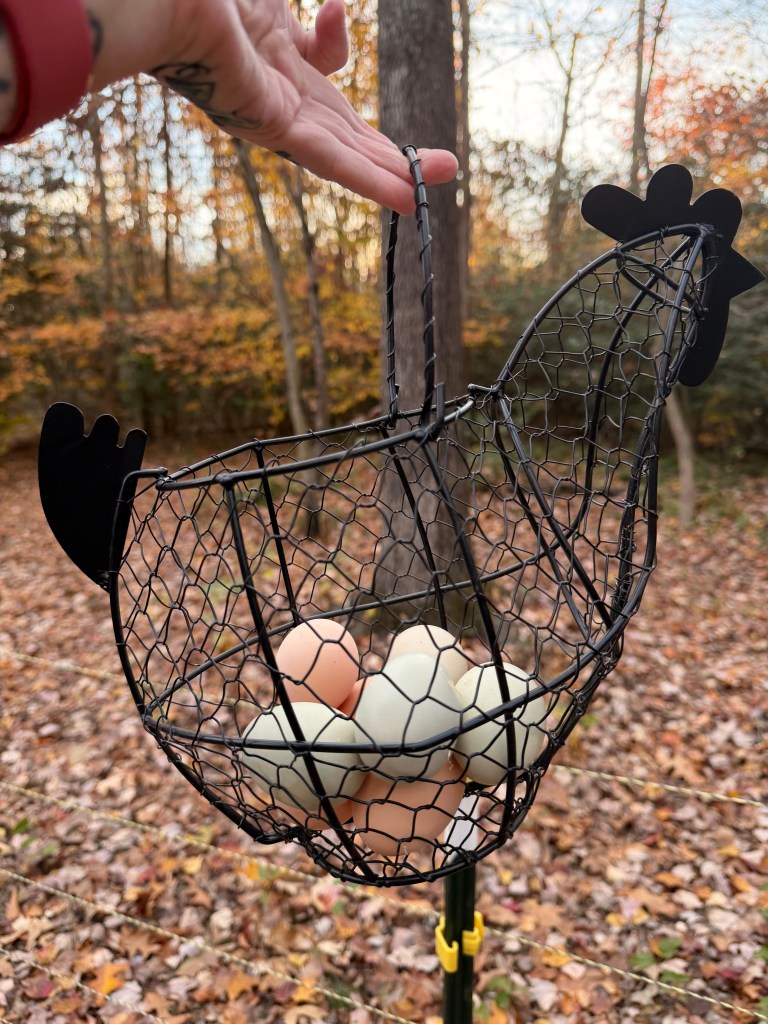
Some breeds are prolific layers, producing five to six eggs per week. Others lay fewer eggs but may produce larger or uniquely colored eggs, such as blue, green, or dark brown. It’s also important to understand that many high-production breeds slow down or stop laying during winter, molting, or periods of stress.
If your household relies on eggs regularly, choosing a dependable layer makes sense. If you’re more interested in variety or novelty, mixing breeds can give you a colorful egg basket and a more diverse flock.
Temperament Matters More Than You Think
A chicken’s personality plays a huge role in how enjoyable they are to raise—especially for beginners.
Some breeds are calm, friendly, and easy to handle, making them great for families with children or first-time chicken owners. Others are more independent, flighty, or assertive, which can be challenging if you’re still learning chicken behavior.

Temperament also affects flock harmony. Aggressive or dominant breeds can cause stress or bullying if mixed improperly. Choosing breeds with similar temperaments helps create a peaceful flock and reduces behavioral issues down the road.
Maintenance Level and Care Needs
Not all chickens require the same level of care. Some breeds are very low-maintenance, while others need regular attention.
Chickens with elaborate feathering—such as crests or feathered feet—may require extra cleaning, grooming, or monitoring for parasites and vision issues. Certain ornamental or specialty breeds can be more sensitive to weather or illness.
If you’re new to chickens, it’s usually best to start with hardy, forgiving breeds that are known for good health and adaptability. As you gain experience, you can always add more specialized breeds later.
Noise, Space, and Local Regulations
Before bringing chickens home, check local ordinances regarding flock size and rooster ownership. Roosters are not necessary for egg production, and in many areas they are restricted due to noise.
Some breeds are naturally louder than others, even without a rooster. If you live close to neighbors, choosing quieter breeds can help maintain good relationships and avoid complaints.
Space also matters. Larger breeds need more room, while smaller or bantam breeds can thrive in more compact setups. Overcrowding leads to stress, illness, and behavioral problems, regardless of breed.
Mixing Breeds: Is It a Good Idea?
Many backyard flocks include multiple breeds, and for beginners, this can be a great option. Mixing breeds allows you to experience different personalities, egg colors, and laying patterns.
The key is choosing breeds with similar size and temperament so one group doesn’t dominate the others. When thoughtfully selected, mixed flocks can be healthy, productive, and incredibly enjoyable to watch.
A Beginner’s Rule of Thumb
If you’re feeling overwhelmed by options, start simple. Look for breeds that are:
- Known for calm, friendly temperaments
- Hardy in your local climate
- Reliable egg layers
- Low-maintenance and disease-resistant
These qualities will give you a strong foundation and help ensure your first experience with chickens is positive and rewarding.
Final Thoughts: There’s No Perfect Breed—Only the Right Fit for You
Choosing the right chicken breed isn’t about finding the “best” chicken—it’s about finding the right match for your lifestyle, goals, and environment. With a little planning and realistic expectations, chickens can be one of the most enjoyable and educational animals to raise on a homestead or in a backyard.
Take your time, do your research, and remember that every flock teaches you something new. The best chicken breed is the one that fits seamlessly into your life and brings you joy along the way.