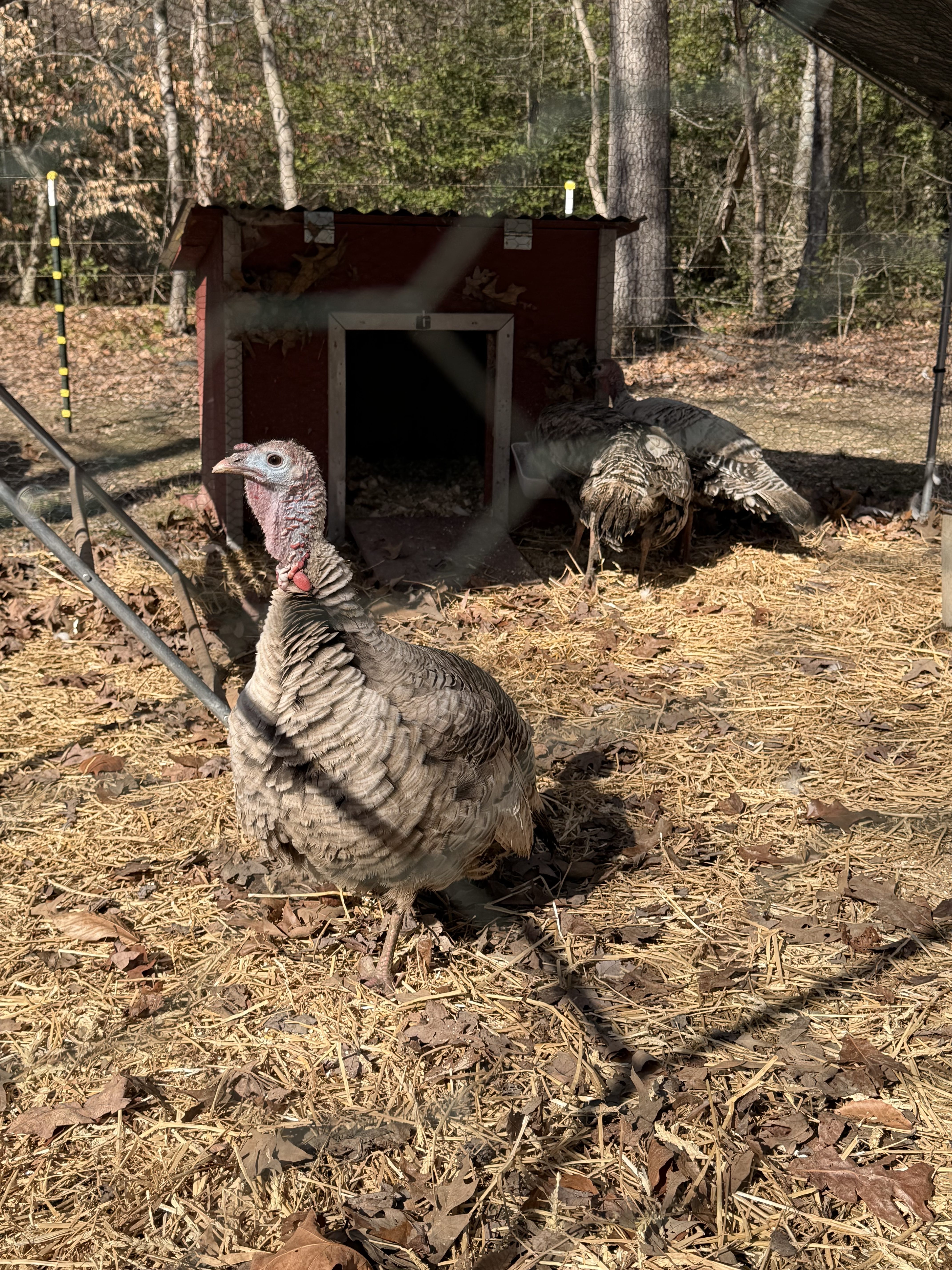
Adding turkeys to the homestead is exciting, a little intimidating, and completely unforgettable. They are larger than chickens, full of personality, and can quickly become one of the most entertaining parts of a farm or backyard flock. For beginners, though, they also come with important differences in care, housing, feeding, and health that are worth understanding before getting started.
If you are new to raising turkeys on a homestead, this guide will walk you through the basics so you can create a safe, healthy setup and feel confident caring for your birds from day one.
Why Raise Turkeys on a Homestead?
There are many reasons homesteaders choose to raise turkeys. Some keep them for meat, some for breeding, and some simply because they enjoy having them as part of the flock. Turkeys bring a unique presence to the homestead. They are curious, expressive, and often more interactive than people expect.
Turkeys can also be a practical addition. They help diversify the homestead, can forage when given the opportunity, and offer a way to produce more of your own food. For many beginners, they are the natural next step after chickens.
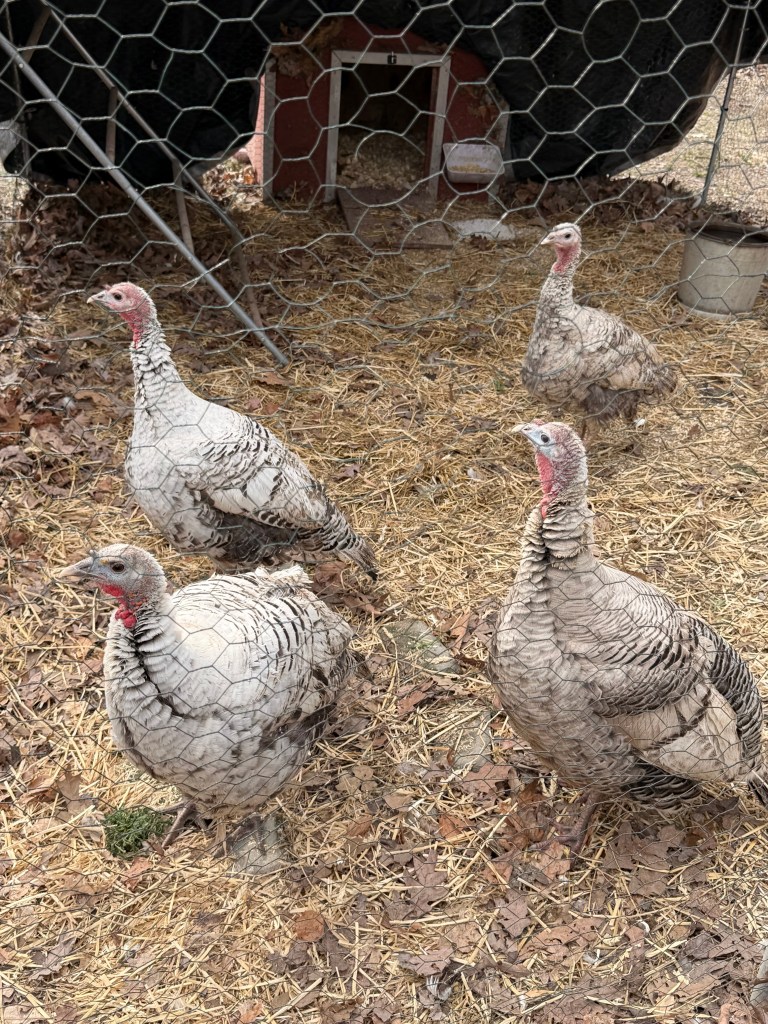
Are Turkeys Good for Beginners?
Turkeys can absolutely be raised by beginners, but they are not exactly the same as chickens. They need more space, sturdier housing, and close attention to cleanliness and health. Young turkeys, called poults, can be especially delicate in the brooder stage, while mature birds need roosting areas and fencing that take their size into account.
The good news is that once their basic needs are met, turkeys are very manageable. A beginner who takes the time to prepare the right setup will likely find them rewarding and surprisingly enjoyable to raise.
Choosing the Right Type of Turkey
One of the first things to decide is what kind of turkey fits your goals. Broad-breasted turkeys are the type most commonly raised for meat. They grow quickly and become very large, but they generally do not breed naturally and are not as mobile or long-lived as heritage breeds.
Heritage turkeys are often a better fit for homesteaders who want hardier, more active birds that can forage, roost, breed naturally, and live a more traditional farm life. They tend to grow more slowly, but many homesteaders appreciate their hardiness and natural behaviors.
If your goal is a long-term addition to the homestead rather than fast meat production, heritage turkeys are often worth considering. If you are being offered mature birds, it is helpful to learn what breed they are and how large they will get so you can plan housing and feed accordingly.
How Much Space Do Turkeys Need?
Turkeys need significantly more room than chickens. Their larger size means they require more personal space both in the coop and in the run. Crowding leads to stress, dirty conditions, feather damage, and a greater risk of illness.
A turkey housing area should give them enough room to move comfortably, stretch, perch, and stay out of each other’s way. Outdoor access is especially important. Turkeys do best when they have room to walk, forage, and explore in a secure environment.
When designing a turkey space, think sturdy, dry, well-ventilated, and roomy. Beginners often underestimate just how large mature turkeys are, so it is wise to plan bigger than you think you need.
Turkey Housing Basics
A turkey coop or shelter should protect birds from wind, rain, predators, and damp ground. It does not need to be fancy, but it does need to be solid and practical. Turkeys are especially vulnerable to problems when they are forced to stand or sleep in wet, dirty conditions.
A good turkey shelter includes dry bedding, proper ventilation, protection from drafts at bird level, and enough height for larger birds to move comfortably. Because turkeys produce a lot of waste, regular cleaning is important. A dry, clean shelter goes a long way toward preventing illness.
Turkeys also tend to prefer elevated sleeping spots. Many like to roost, especially heritage birds and lighter-bodied birds. Roosts should be sturdy, wide enough to support their feet comfortably, and positioned so birds can get up and down safely without injury.
Do Turkeys Roost Like Chickens?
Turkeys often like to roost, but their roosting needs are a little different from chickens. Because they are larger and heavier, they need stronger and sometimes lower roost bars, especially if they are broad-breasted or older birds. A narrow perch that works for chickens may not be comfortable or safe for turkeys.
Roosts should be wide, stable, and easy to access. Some turkeys will fly up to roost, while others may need a lower bar or gradual step-up arrangement. If birds are new to your homestead, keeping them in a secure enclosed area for a while helps them learn where home is and where they are expected to sleep.
Turkey Run and Fencing Tips
A secure turkey run is one of the most important parts of the setup. Turkeys are curious and active, and while they may seem calm, they can wander farther than expected. Good fencing helps keep them safe from predators and prevents them from roaming before they are bonded to their new home.
Fencing should be taller and sturdier than what some people use for chickens. Depending on breed and temperament, some turkeys can fly surprisingly well, especially lighter birds. Covered runs or clipped wings may be necessary in some situations, although many homesteaders prefer to manage this through design and training.
Their run should include shade, dry ground, fresh water, and enough room to move around comfortably. Enrichment helps too. Logs, stumps, sturdy platforms, and safe areas to scratch and explore can keep them active and reduce boredom.
What Do Turkeys Eat?
Turkeys need a diet that is higher in protein than standard chicken feed, especially while they are growing. Feeding turkeys the wrong ration is one of the most common beginner mistakes. Turkey poults need a high-protein starter feed, and growing birds continue to benefit from rations formulated for turkeys or game birds.
Adult turkeys can also enjoy safe treats and forage, but feed should remain the nutritional foundation of their diet. Fresh greens, insects, and occasional healthy kitchen scraps can add variety, but they should not replace a balanced ration.
Clean, fresh water must always be available. Because turkeys are large birds, they go through more water than many beginners expect. Waterers should be kept clean and positioned so birds are not constantly filling them with bedding or mud.
Safe Treats for Turkeys
Turkeys enjoy a variety of healthy treats in moderation. Many homesteaders offer greens, weeds from untreated areas, chopped vegetables, squash, mealworms, black oil sunflower seeds, and occasional fruit. These extras can be a good way to encourage bonding and add enrichment to the flock’s day.
Treats should remain just that—treats. Too many extras can upset the balance of their nutrition. It is best to focus on simple, wholesome additions rather than heavily processed foods.
Can Turkeys Live With Chickens?
This is one of the most common questions beginners ask, and the answer is that they can sometimes live near chickens, but caution is important. Turkeys are more vulnerable to certain diseases that chickens may carry without obvious symptoms. One of the biggest concerns is blackhead disease, which can be devastating to turkeys.
For that reason, many experienced keepers recommend separating turkeys from chickens, especially in shared housing or on ground that has been heavily used by chickens. Even if they appear to get along socially, disease risk is the real issue.
If you do keep both species on the homestead, strong sanitation practices, rotation of space, and thoughtful management become especially important. Many beginners decide that separate housing is the safest route.
Daily Turkey Care on the Homestead
Daily turkey care is fairly straightforward once a routine is in place. Each day, birds should be checked for fresh food and water, overall health, safe fencing, and clean bedding conditions. Spending time simply watching the flock is one of the best habits a turkey keeper can develop.
Healthy turkeys are generally alert, active, curious, and interested in food. Changes in posture, drooping wings, lethargy, diarrhea, trouble walking, or a sudden decline in appetite are all signs that something may be wrong.
A simple daily routine helps you catch issues early, which is especially important because birds often hide illness until they are significantly unwell.
Common Health Concerns in Turkeys
Turkeys need a clean environment and close observation. Wet bedding, poor ventilation, overcrowding, and exposure to disease are common causes of problems. Young poults are especially fragile and can decline quickly if they get chilled, wet, or fail to eat and drink well in the brooder.
Adult turkeys may face issues related to parasites, respiratory stress, foot injuries, and disease exposure from other poultry. Because turkeys can be more sensitive than chickens in some ways, prevention matters more than treatment.
Good sanitation, dry housing, clean feeders and waterers, proper nutrition, and reduced stress are the foundation of keeping turkeys healthy. Establishing a relationship with a local poultry-savvy veterinarian can also be incredibly helpful.
Free-Ranging Turkeys
Many homesteaders eventually want their turkeys to free range, and turkeys often do well with supervised or controlled ranging once they are settled in. The key is not rushing it. New birds should first learn where home is and where they return to roost.
Free-ranging can provide exercise, enrichment, and foraging opportunities, but it also increases exposure to predators and environmental risks. Starting slowly and allowing birds to become comfortable with their enclosure before giving them more freedom usually leads to better results.
If you choose to free range, it helps to keep them on a consistent feeding schedule so they have a reason to return to their shelter area in the evening.
Raising Turkey Poults vs. Mature Turkeys
Beginners may start with poults or with mature birds, and each option has advantages. Poults allow you to raise birds from the beginning and bond with them early, but they require more intensive care, especially heat, sanitation, and monitoring. They are adorable, but they are not as forgiving as chicks.
Mature turkeys skip the brooder stage and may be easier in some ways, but they can be more physically challenging to house and transport because of their size. They may also need time to adjust to a new environment and learn new routines.
For many homesteaders, mature birds are a wonderful opportunity if the setup is ready before they arrive.
What Beginners Often Get Wrong
The most common mistakes with turkeys are underestimating their size, feeding them the wrong ration, keeping them in damp conditions, or assuming they can be managed exactly like chickens. Turkeys need their own plan.
They do best when their space is built with intention. They need room, clean water, dry bedding, a safe place to roost, and protection from predators and disease. When beginners slow down and prepare those basics first, they set themselves up for success.
Final Thoughts on Raising Turkeys on a Homestead
Raising turkeys on a homestead can be one of the most rewarding adventures in poultry keeping. They are beautiful, entertaining, and full of character. They also ask us to be thoughtful—to build stronger housing, pay close attention to health, and manage our space well.
For beginners, the key is preparation. A clean and secure shelter, the right feed, good fencing, fresh water, and careful observation will make all the difference. Once turkeys settle in, they quickly become more than just another livestock animal. They become part of the daily rhythm of the homestead.
If you are considering adding turkeys, do not let the learning curve scare you away. Start with the basics, give them a safe and comfortable home, and enjoy the experience of getting to know one of the most unique birds a homestead can offer.
Frequently Asked Questions About Raising Turkeys
Are turkeys harder to raise than chickens?
Turkeys are not necessarily harder, but they are different. They need more space, stronger housing, and closer attention to feed and cleanliness, especially when they are young.
Can turkeys and chickens live together?
They can sometimes live near one another, but many homesteaders keep them separate due to disease risk, especially blackhead disease.
What do turkeys need in their coop?
Turkeys need a dry, well-ventilated shelter with sturdy roosting options, predator protection, clean bedding, and enough room for their size.
Do turkeys need special feed?
Yes. Turkeys generally need a higher-protein feed than chickens, especially while growing.
Can turkeys free range?
Yes, many turkeys do well free ranging once they are settled and know where home is, but predator protection and training are important.