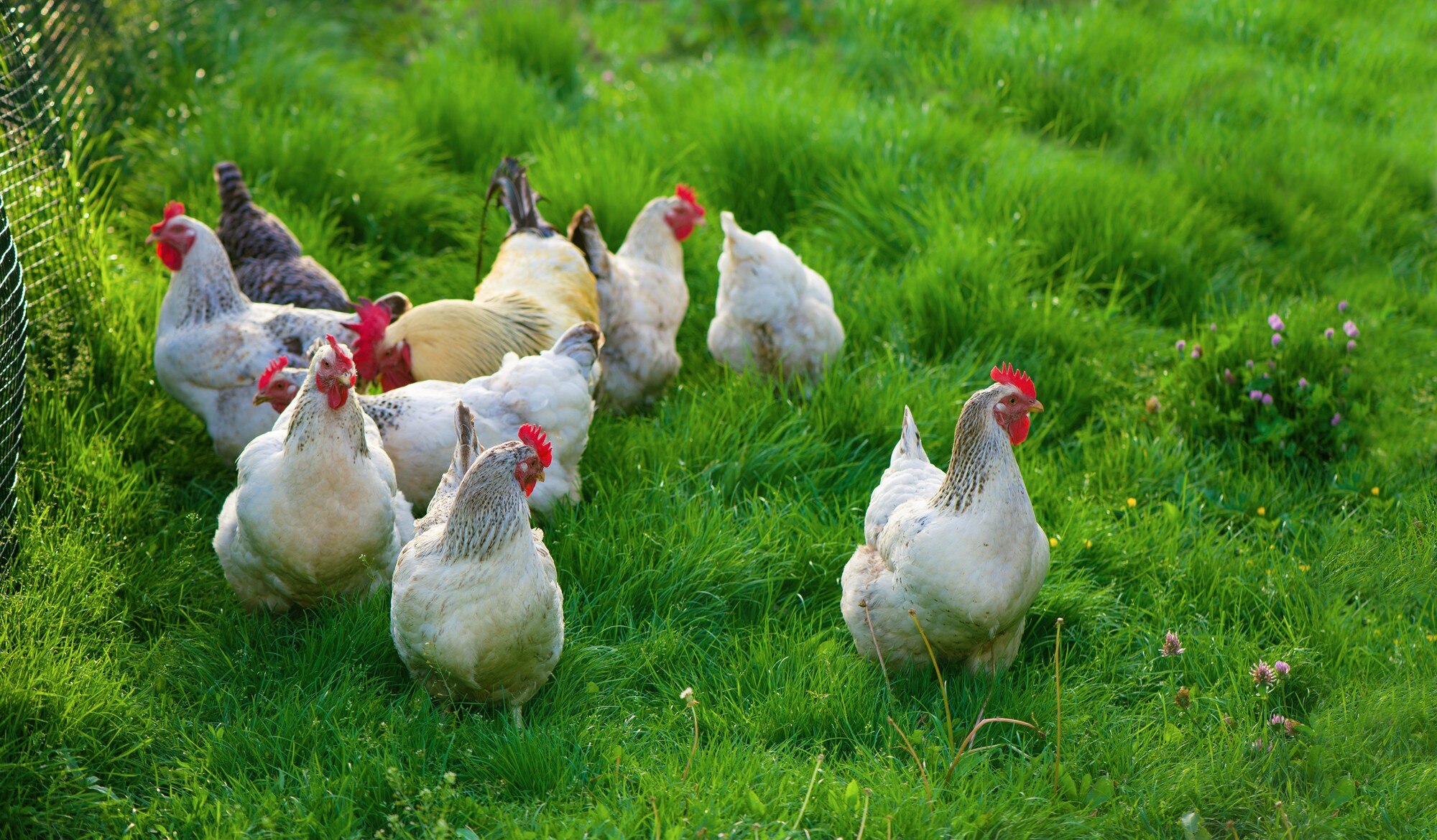
Chickens keep life exciting—you never run out of things to do when caring for a flock. On our homestead, daily routines focus on chicken health through a balanced diet, clean water, and natural preventatives. Still, one of the most common health challenges backyard chicken keepers face is coccidiosis in chickens.
Coccidiosis is a parasitic disease that affects the intestinal tract, reducing a bird’s ability to absorb nutrients and leaving them vulnerable to other illnesses. While preventatives like apple cider vinegar in water and red pepper flakes in feedare part of our regular flock care, sometimes they aren’t enough. That’s when we rely on Corid treatment as a proactive solution.
What Is Coccidiosis in Chickens?
Coccidiosis is caused by protozoa that damage the lining of a chicken’s intestine. Signs can include:
- Diarrhea (sometimes bloody)
- Lethargy and weakness
- Loss of appetite
- Poor weight gain or slow growth
Without treatment, coccidiosis can spread quickly through a flock. This is why many chicken keepers use Corid (Amprolium)—a trusted and widely used treatment for coccidiosis in poultry.
Why We Use Corid for Chickens
Corid works by blocking thiamine (Vitamin B1), which the coccidia parasites need to grow and reproduce. By stopping the parasite’s life cycle, it gives your chickens time to heal and regain nutrient absorption.
Benefits of Corid treatment for chickens include:
- Protecting intestinal health for better nutrient absorption
- Preventing weight loss and stunted growth
- Reducing risk of secondary infections caused by weakened immunity
- Safe and effective for the entire flock when dosed correctly
Meyer Hatchery notes: “Corid 9.6% Solution is a trusted product for treating coccidiosis in chickens, helping to restore flock health quickly.”
How to Dose Corid for Chickens
The treatment is simple and flock-friendly:
- Dosage: Mix 1 teaspoon of Corid 9.6% per gallon of water
- Duration: Offer only this medicated water for 5 consecutive days
- Post-Treatment Care: Switch back to clean water and begin a vitamin supplement (we use Poultry Cell) to replace the thiamine temporarily blocked during treatment
This follow-up step is critical because while Corid clears the parasites, chickens still need their Vitamin B1 restored for long-term health.
Preventing Coccidiosis in Your Flock
Even with treatment options like Corid, prevention is key to long-term chicken health. Here are a few tips we use on our homestead:
- Keep waterers and feeders clean to reduce parasite exposure
- Rotate pasture or runs when possible to prevent buildup
- Add natural preventatives like apple cider vinegar or herbal supplements
- Monitor young chicks closely, as they are most vulnerable to coccidiosis
Final Thoughts
Coccidiosis in chickens is one of the most common challenges backyard poultry keepers face, but with proactive care and Corid treatment, it doesn’t have to threaten the health of your flock. A combination of natural preventatives, clean management practices, and timely treatments helps us keep our hens strong, productive, and happy.
If you’re raising backyard chickens, keep Corid in your poultry first-aid kit—you’ll be glad you have it when your flock needs extra support.

Leave a Reply