After a wildly cold, snowy, and icy winter, we are more than ready to get our hands back in the soil and bring the garden back to life. At J & J Homestead, the garden is far more than a seasonal project. As spring and summer arrive, it quickly becomes the heart of the homestead.
Our garden serves many purposes. It helps feed our family, provides fresh and nutritious food for our animals, and creates an important source of supplemental income for our self-serve farmstand. This year, we are especially excited because we are tripling the size of the garden to help meet the growing demand created by the farmstand and to continue building a more productive, sustainable homestead.
Why the Garden Matters on Our Homestead
Gardening plays a central role in everything we do at J & J Homestead. It supports our goal of living more intentionally and making the most of the land, time, and resources we have. Every bed we plant and every harvest we gather contributes to a bigger picture of self-sufficiency, stewardship, and seasonal abundance.
Our garden helps us:
- Grow fresh food for our family
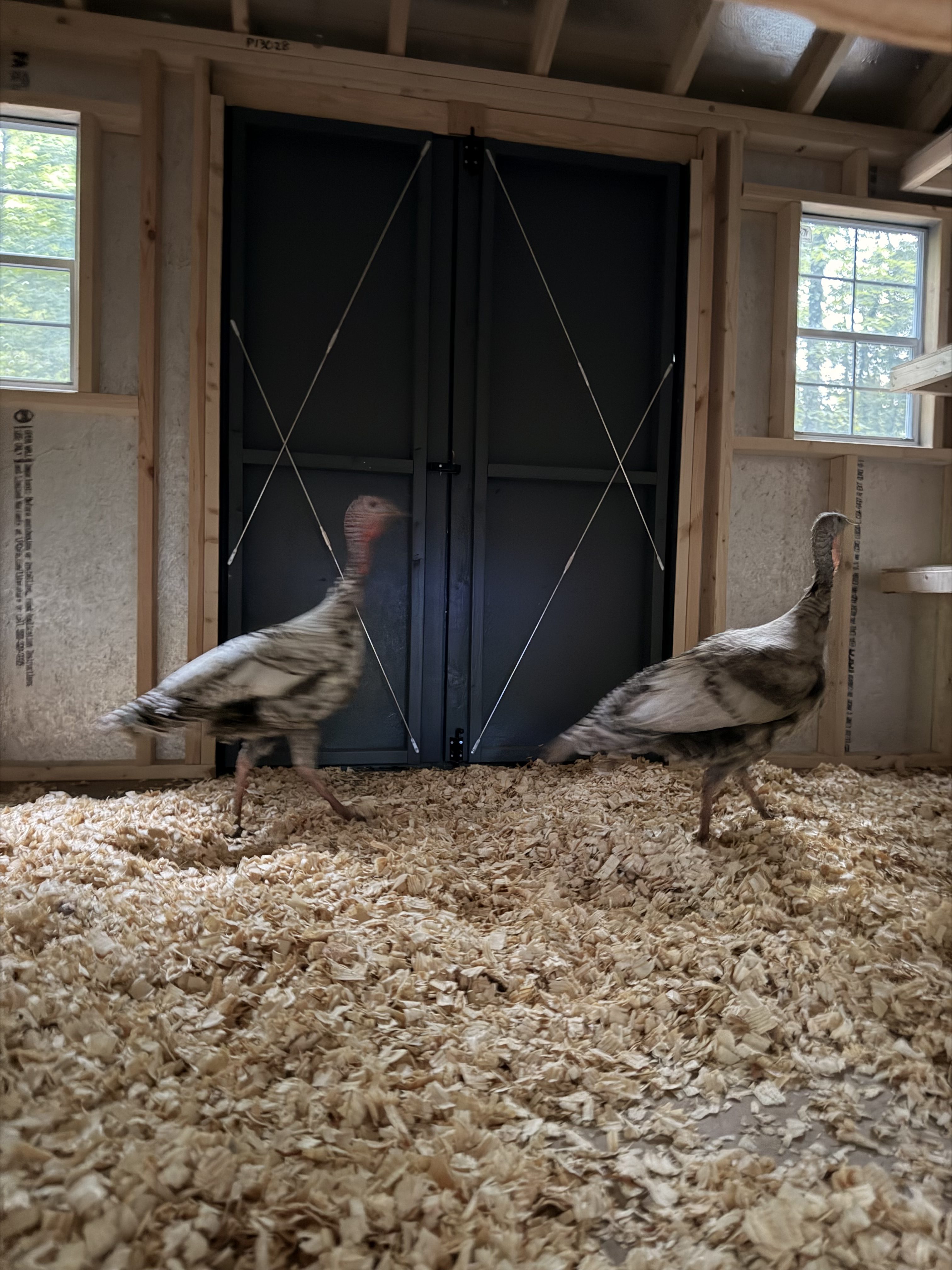
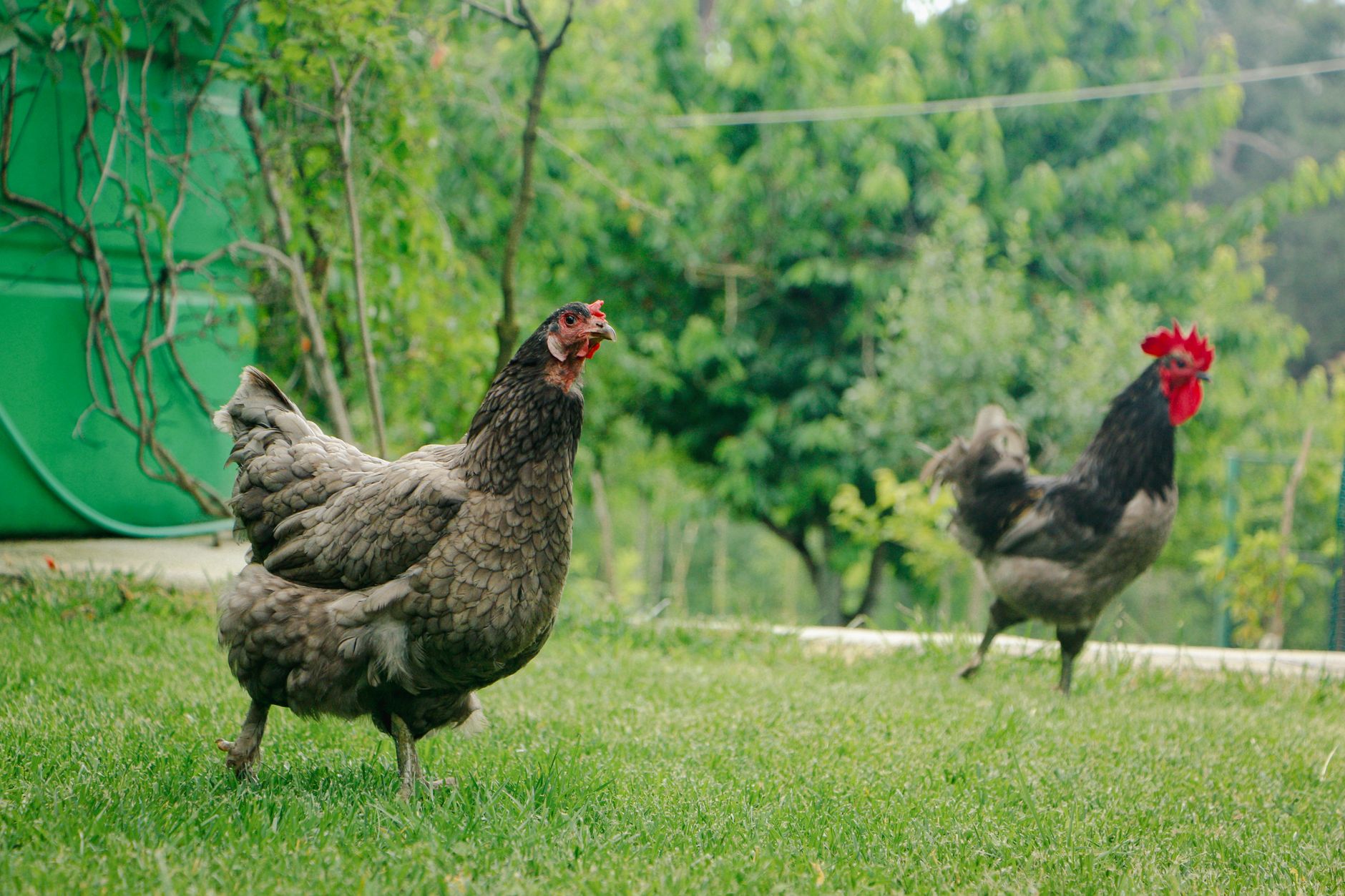
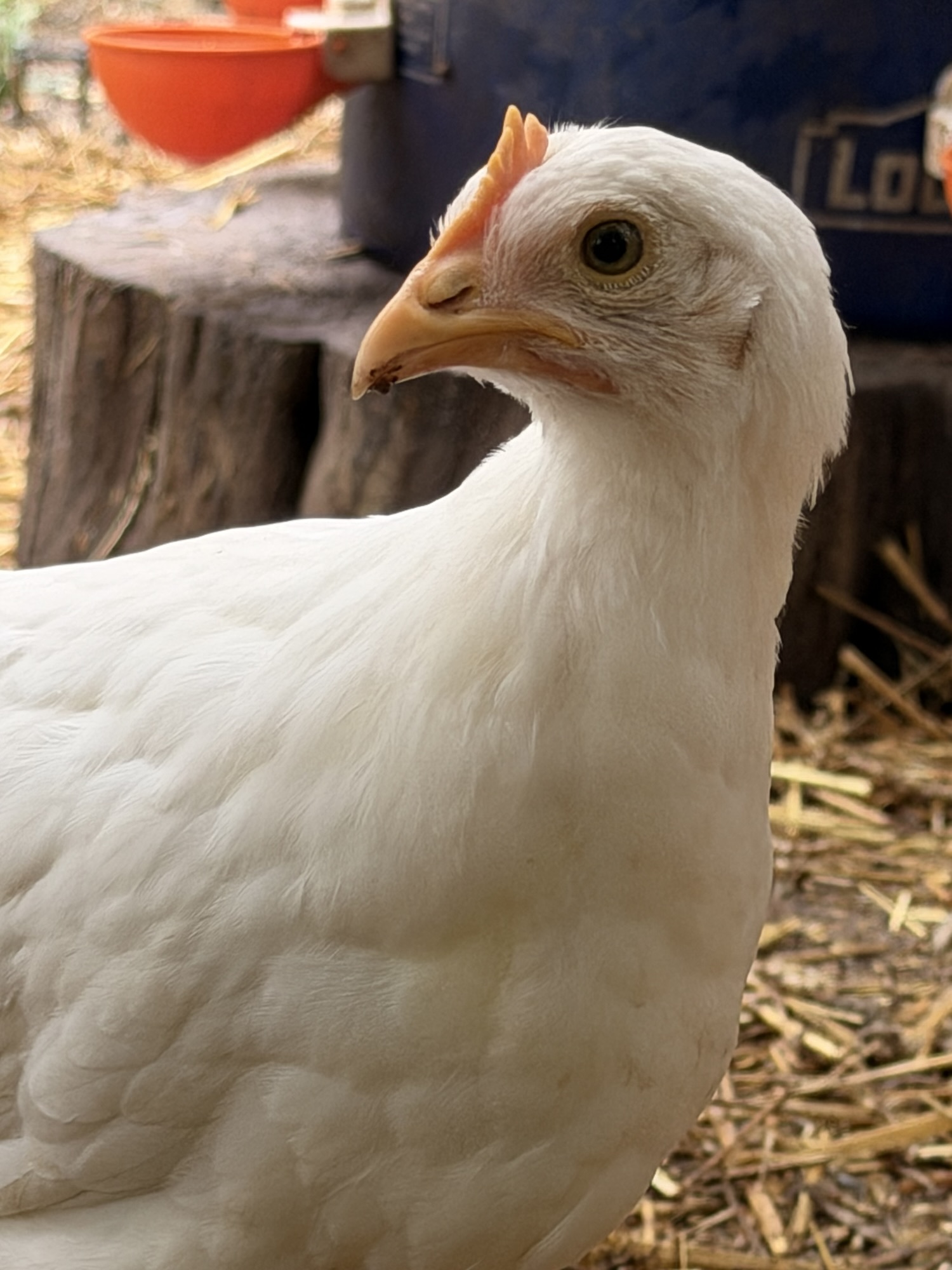
- Produce nutrient-rich treats and supplements for our chickens and turkeys
- Supply seasonal produce and plants for the farmstand
- Build healthier soil year after year
- Reduce waste by reinvesting natural materials back into the land
As the garden grows, so does its role in the daily rhythm of the homestead.
Expanding the Garden for the Farmstand
One of the biggest goals for this growing season is expansion. With the farmstand now creating more demand for fresh, local produce, we are tripling the size of the garden so that it can better serve both our family and our customers.
This growth is about more than adding square footage. It is about being intentional. We want to grow enough to support the farmstand while still maintaining quality, protecting soil health, and making wise use of our time and energy. Expanding the garden means planning carefully, improving efficiency, and making sure every part of the homestead works together.

The Chicken Garden: A Separate Space with a Purpose
In addition to our main garden, we will continue maintaining what we call the chicken garden, which sits next to the coops and runs. Keeping a separate garden for the chickens and turkeys has been one of the best decisions we have made.
This dedicated space has helped us be more intentional with the resources we use, including time, energy, water, and plant materials. Instead of treating all gardening space the same, we have learned that giving the flock its own area helps us grow with purpose. It allows us to plant crops specifically for animal use, manage harvests more efficiently, and reduce waste across the homestead.
The chicken garden is a practical example of how thoughtful systems can make homesteading more sustainable and more manageable.
What We Grow in the Garden
We grow a wide variety of fruits, vegetables, and perennial crops here at J & J Homestead, and this year’s garden is shaping up to be one of our biggest and most exciting yet.
Our garden includes:
- Strawberries
- Blackberries
- Raspberries
- Asparagus
- Cucumbers
- Tomatoes in many different varieties
- Sweet peppers
- Hot peppers
- Edamame
- Zucchini
- Yellow squash
- Onions
- Cabbage
And that is only the beginning. Every growing season brings new ideas, new experiments, and new opportunities to learn. We love growing a mix of reliable staples and seasonal favorites, especially crops that can serve multiple purposes across the homestead.
Regenerative Gardening at J & J Homestead
One of the most important parts of our gardening approach is our commitment to regenerative gardening practices. We do not just want to grow food for one season. We want to improve the health of the land over time so that each year builds on the last.
Regenerative gardening means working with nature instead of against it. It means focusing on soil health, biodiversity, water conservation, and reducing unnecessary waste. These practices help create a more resilient garden and a stronger homestead overall.
Composting for Healthy Soil
Throughout the year, maintaining a healthy and balanced compost area has been a priority for us. Compost is one of the simplest and most effective ways we can return nutrients to the soil naturally.
Kitchen scraps, garden trimmings, plant waste, and other organic material all have the potential to become part of the next growing season. By turning those materials into compost, we create a valuable resource that helps improve soil structure, support microbial life, and give the garden a natural boost.
Healthy compost helps us:
- Improve soil fertility
- Retain moisture more effectively
- Reduce dependence on outside inputs
- Recycle organic waste back into the homestead system
Other Regenerative Practices We Use
In addition to composting, there are several other regenerative gardening practices that support the health of our garden and the homestead as a whole.
Mulching
Mulch helps protect the soil from drying out, reduces weed pressure, and adds organic matter back into the ground as it breaks down. It also helps regulate soil temperature during the heat of summer.
Crop Rotation
Rotating crops from one area to another helps reduce pest and disease pressure while also preventing the soil from becoming depleted by the same plants year after year.
Cover Crops
When possible, cover crops can be used to protect bare soil, suppress weeds, improve soil structure, and add nutrients back into the ground. They are a valuable tool for keeping the soil active even when beds are not in production.
Minimal Soil Disturbance
Avoiding unnecessary tilling helps preserve soil structure and protects the natural network of organisms that support plant health. Healthier soil biology leads to stronger, more resilient plants.
Using Animal Resources Intentionally
On a homestead, animals and gardens can support one another beautifully when managed carefully. Manure, bedding, and composted coop cleanout can all play a role in enriching the soil when properly aged and applied.
Plant Diversity
Growing a wide range of crops helps encourage biodiversity, attract pollinators, and reduce the risk that one pest or problem will affect the entire garden.
Water Reclamation
Water reclamation is another important part of regenerative gardening on the homestead. Whenever possible, reclaiming and reusing water helps conserve resources and reduce strain during hot, dry stretches of the growing season.
This can include practices such as:
- Collecting rainwater from roofs and outbuildings
- Directing runoff into useful areas of the landscape
- Reusing water thoughtfully where appropriate and safe
- Building soil rich in organic matter so it holds moisture longer
Water conservation and healthy soil go hand in hand. The more organic matter we build into the garden, the better the soil can absorb and retain moisture naturally.
A Garden with Purpose
At J & J Homestead, the garden is not just about growing vegetables. It is about building a system that supports the whole homestead. It feeds people, supports animals, improves the land, and helps make the farmstand possible.
This year’s expansion is exciting, but what matters most is that we continue to grow with intention. We want the garden to be productive, sustainable, and deeply connected to the rest of the life we are building here.
After the long winter, we are ready for green growth, warm soil, and the busy, beautiful work of another gardening season.
We are so glad you are following along with us.