Keeping Chickens and Bees Warm as Winter Arrives
I hope that you all had a wonderful and restful Thanksgiving! Here at J & J Homestead, we enjoyed a quiet day (thank goodness!), filled with good food, community, and—of course—a healthy dose of homesteading work once the sun went down.
Thanksgiving marks the start of winter prep season, and this year, the cold rolled in fast. Thanksgiving night was our first dip into the low 20s, which meant it was time to make sure the chickens and bees were set up for success. Below is a recap of our holiday and the important winterizing steps we took to protect our flock and hives.
Whether you’re a seasoned homesteader or just learning the ropes, I hope this gives you both a smile and a checklist for your own farm!
A Meaningful Thanksgiving Morning
While many families were peeling potatoes or prepping stuffing, I was baking a honey baked ham—but not for our own table. A number of us at work came together to prepare a Thanksgiving meal for the service members living in the barracks.
For many of them, this is their first holiday away from home, and the last thing we want is for them to feel forgotten on a day built around gratitude and connection. Delivering that meal, seeing the smiles, and knowing they had a warm plate of food… it was absolutely worth every minute.
A Quiet, Nontraditional Thanksgiving Dinner
Once I returned home, it was time to start on our own Thanksgiving feast, and we kept it deliciously simple this year:
- Porterhouse steaks (yes, a little nontraditional!)
- Sweet potato casserole
- Green bean casserole — because classics are classics for a reason
Dinner was peaceful, cozy, and exactly what we needed. But as soon as the dishes were done, it was time to get serious—because winter decided to arrive right on schedule. Knowing that the temperatures were about to start dropping, I grabbed my boots and headed outside. Thankfully, my husband had already gotten the coops prepared earlier in the day, but there were still a few final steps to take before the deep cold hit.
And yes—let’s go ahead and address the topic that gets chicken keepers fired up faster than a rooster at sunrise:
Radiant Heaters in the Coop (…the Controversial Topic!)
While opinions differ across the homesteading community, we do use radiant heaters in the coops for nights when temperatures fall into the low 20s or below.
Here’s why:
- Radiant panel heaters don’t have exposed heating elements
- They pose significantly lower fire risks than heat lamps
- They provide gentle warmth without overheating the birds
- Some of our hens had a tough molt this year and could use the extra help
We only use them during extreme cold snaps, but they’ve made a huge difference in our flock’s comfort and wellbeing. We don’t routinely use heaters in the coops because I don’t want the chickens to fail to acclimate to the colder temperatures. If they become reliant on the heaters and there is a power outage, the rapid drop in temperatures could be detrimental to their health. That being said, the radiant heaters have only a slight impact on their cold environment. I’d like to think that it is enough to help.
That said—heaters or no heaters—there are plenty of ways to keep chickens warm naturally, and we use those too.
How to Keep Chickens Warm in the Winter
Chickens are surprisingly cold-hardy, but that doesn’t mean they don’t need support during freezing temperatures. Here’s what we rely on:
✔️ 1. Proper Ventilation
Ventilation prevents moisture buildup, which helps protect against frostbite.
✔️ 2. Deep Litter or Extra Bedding
Pine shavings or straw provide insulation and comfort.
✔️ 3. Draft-Free Roosting
Keep drafts away from roost level but maintain airflow near the roofline.
✔️ 4. Higher Roosts
Roosting off the ground helps chickens retain heat.
✔️ 5. Extra Calories at Night
Scratch grains with cracked corn help generate heat as the birds digest. Specifically, they raise a chicken’s body temperature because the energy needed to digest them generates heat. This effect is beneficial in cold weather but can be dangerous in hot weather and should be avoided or limited during summer to prevent overheating.
✔️ 6. Frostbite Prevention
A little petroleum jelly on combs and wattles can protect frost-sensitive birds.
✔️ 7. Heated Waterers
So the flock always has access to unfrozen water.
With the chickens sorted, it was time to turn to our most fragile winter residents…
Feeding the Bees & Winterizing the Hives
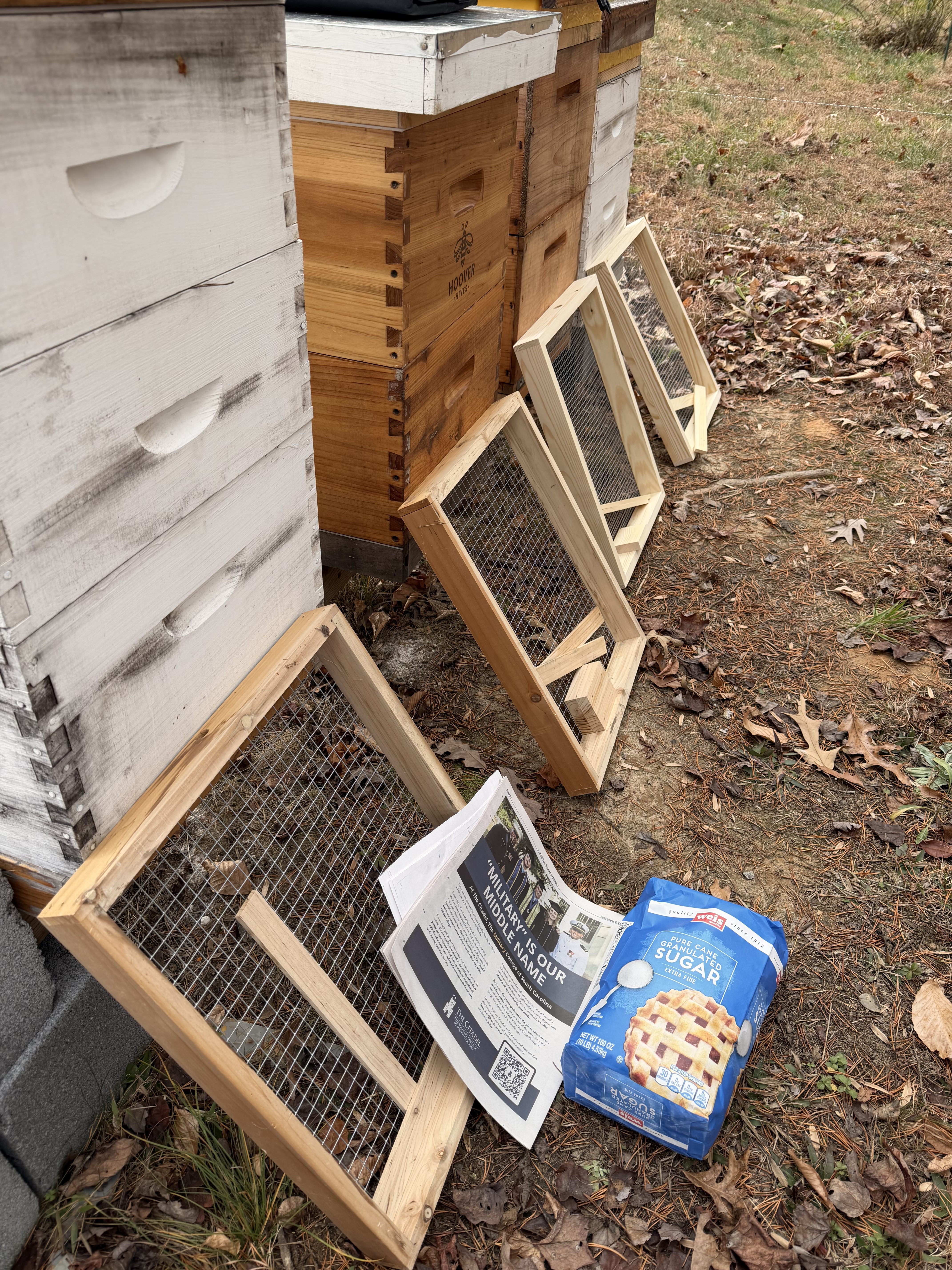
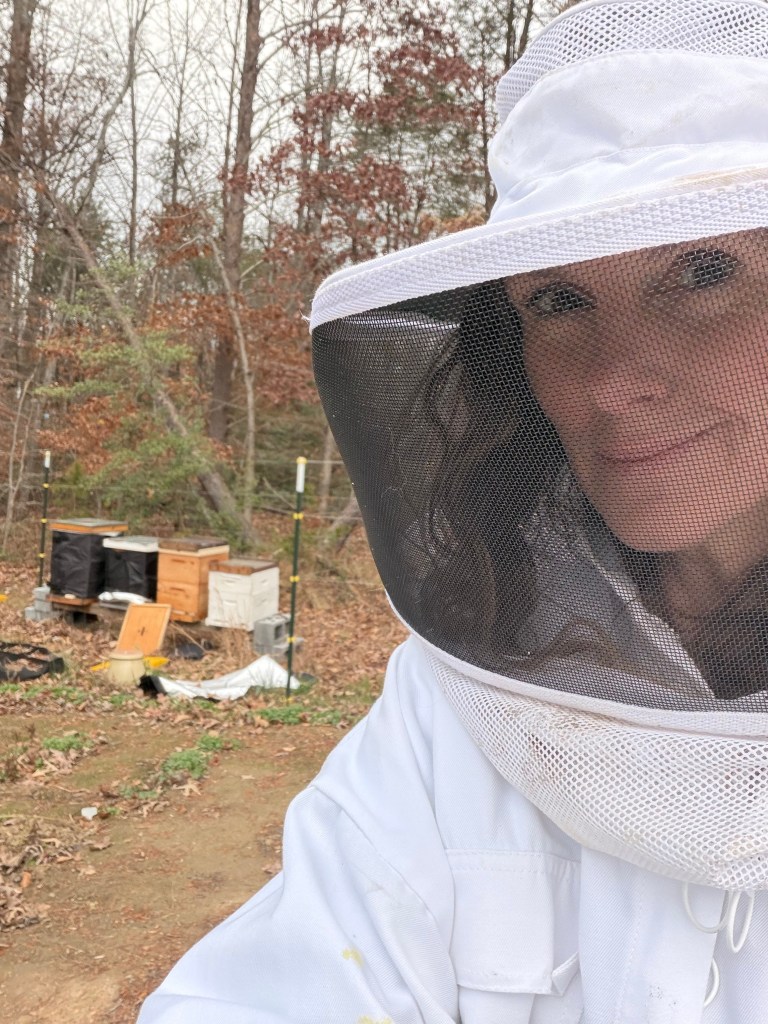
Bees are absolutely remarkable winter survivors—but only when they have the right conditions. On Thanksgiving night, I fed each hive a few pounds of sugar and checked that their winter wraps were secure.
Here’s how we help our colonies thrive during freezing weather:
1. Feeding the Hives
Dry sugar, fondant, or sugar bricks give clusters emergency access to food when they can’t reach stored honey.
2. Thermal Hive Wraps
These wraps protect hives from:
- Wind
- Moisture
- Heat loss
They don’t “heat” the hive—rather, they help the bees maintain the warmth they generate themselves.
3. Moisture Control
Ventilation is crucial to prevent condensation from dripping onto the cluster. We ensure:
- Top entrances stay open
- Moisture quilts are in place
- The inner cover has proper airflow
4. Wind Protection
Hives are positioned behind natural or artificial windbreaks—an essential step as the temperatures continue to drop.
And Now… It’s Time for Snow Prep
While there’s just a hint of snow in the upcoming forecast, it’s a reminder that January snowstorms are coming, and we need to be ready.
Upcoming tasks include:
- Clearing and checking gutters
- Storing extra bedding
- Stocking animal feed
- Ensuring paths to the barn and coops remain passable
- Preparing windbreaks and repairing fencing
- Protecting water lines from freezing
- Ensuring that tarps for covering chicken runs are in good condition (I know that I need to buy a new one!)
Winter prep is a marathon, not a sprint—but starting early means fewer surprises when the real cold arrives.
Final Thoughts
Thanksgiving this year felt like the perfect blend of service, gratitude, good food, and responsible homesteading. Our animals are tucked in, the hives are wrapped, and the coops are ready for the next cold snap.
Here’s to moving into winter prepared, thankful, and maybe still thinking about another helping of green bean casserole.
If you want more seasonal homesteading tips, visit jandjhomestead.com, follow along on Instagram at @j_and_jhomestead, or tune into the Talking With Chickens podcast for weekly insights.
Stay warm out there, friends! ❄️🐔🐝

Leave a Reply