Do you ever see wild animals?
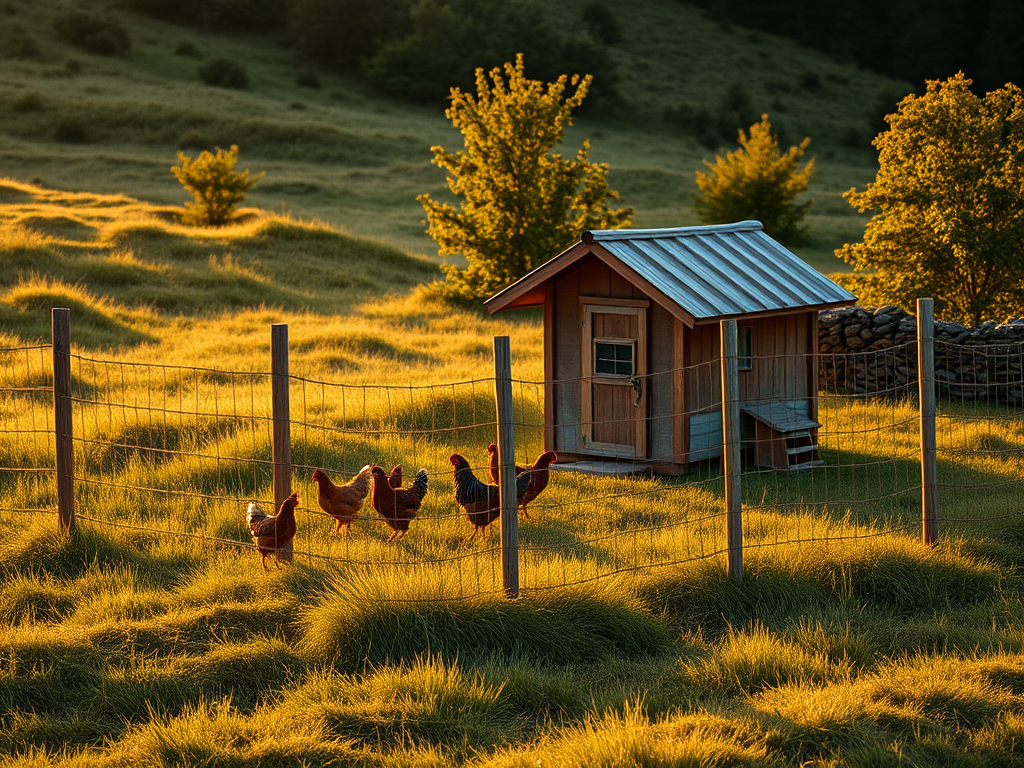
Predators are a natural part of homesteading, especially when you live close to the woods, open fields, and natural wildlife corridors. While we love sharing our space with the wild animals that surround us, it also means staying one step ahead to keep our chickens, ducks, garden, and bee hives safe. Over the years, we’ve learned what wildlife visits our homestead, what risks they pose, and which measures actually work to protect the animals in our care. It has taken a mix of planning, observation, and experience to create a system that balances our respect for wildlife with our responsibility to keep our animals safe.
Bears are one of the most powerful visitors we prepare for, especially during the months when natural food sources are scarce. They are notorious for going after beehives, chicken feed, and even entire coops if given the chance. To deter them, we use a strong electric fencing system with eight live strands spaced strategically around our apiary, garden, and poultry areas. The strands are placed closer together at the bottom so that smaller predators such as raccoons, possums, foxes, and coyotes can’t slip through, and the height of the fence creates an intimidating visual barrier for larger wildlife like black bears. A properly constructed electric fence doesn’t just shock; it teaches. Once a bear encounters that fence even once, it learns quickly that the boundary isn’t worth crossing.
Coyotes and foxes are constant presences in rural and semi-rural homestead settings. You don’t always see them, but you can feel them watching from the tree line—especially at dawn and dusk. They are clever, fast, and extremely determined when hunting. The same eight-strand electric fence that protects against bears works beautifully for them as well. The lower wires are positioned tightly to the ground so they can’t dig underneath, and the spacing keeps them from slipping between the strands. Knowing that the perimeter is hot and secure gives tremendous peace of mind during the times of day when these predators are most active.

Smaller predators like raccoons and possums are equally problematic, although for different reasons. Raccoons are incredibly dexterous and can open latches or reach through small gaps. Possums, while slower, will take any opportunity they find to grab eggs or harass the flock. Our electric fence helps deter these nighttime wanderers, making the garden, apiary, and poultry areas inhospitable. The closer spacing of the bottom strands is especially important here, creating a tight defensive barrier that even nimble raccoons won’t cross more than once.
A completely different category of predators arrives from above. Hawks, owls, and even eagles see chickens as easy prey, especially if the birds are free-ranging or if the run is uncovered. Raptors are silent, swift, and devastatingly efficient hunters. Because of this, one of the most important investments we’ve made is covering our chicken runs. A secure roof or netting system blocks aerial attacks entirely, allowing the flock to scratch, dust bathe, and explore without the constant threat of a bird swooping down. Covered runs also help the chickens feel more confident, especially during the winter months when leaves are gone and natural cover is limited.
Deer are not predators, but they are frequent visitors—and surprisingly destructive ones. They love vegetable gardens, fruit trees, and anything leafy or tender. While they won’t harm our chickens or ducks, they can devastate a season’s worth of food in one night. We use the electric fence around our garden as well to keep deer from hopping in and helping themselves. The height and visibility of the fence discourage jumping, and the charged wires reinforce the boundary. This same fence also protects the beehives, which is essential because hungry bears sometimes try to break into them for honey, brood, and calories—especially in spring and fall.
Living alongside wildlife encourages us to stay attentive, adaptable, and thoughtful about how we protect our animals and crops. Each predator brings a different challenge, but with the right tools and a bit of planning, it is absolutely possible to coexist safely. Our electric fencing system, with eight live strands and tight lower spacing, has become the backbone of our defense against land-based predators, while our covered runs shield the chickens from aerial threats. The garden and apiary benefit from the same perimeter protection, allowing us to grow food and keep bees with confidence, even in areas frequented by deer and bears.
Respecting wildlife and protecting a homestead are not mutually exclusive. Both can coexist when we understand the habits of the predators around us and create systems that encourage them to keep their distance. At J & J Homestead, we work with nature, not against it—and with every season, we get better at keeping our animals safe, healthy, and thriving.

Leave a Reply