
Deciding whether to raise hens, roosters, or a combination of both is one of the most important choices you’ll make when starting or expanding a flock. It’s also a decision that often changes as a homestead grows. What works for a small backyard setup may look very different from what makes sense on a larger, more self-sufficient homestead.
At J & J Homestead, we believe the “right” choice depends on your goals, your space, and how you plan to integrate chickens into your daily life. Understanding the role of each bird helps you build a flock that truly works for you.
Raising Hens: The Foundation of Most Backyard Flocks
For most homesteaders, hens are the starting point—and often the core—of their flock.
Hens are responsible for egg production, which is usually the primary reason people raise chickens in the first place. Beyond eggs, hens are generally quieter, easier to manage, and more widely accepted in residential and suburban areas.
Why hens work well for most homesteads:
- They lay eggs without the presence of a rooster
- They tend to be calmer and less aggressive
- They are allowed in most municipalities
- They integrate well into family-friendly homesteads
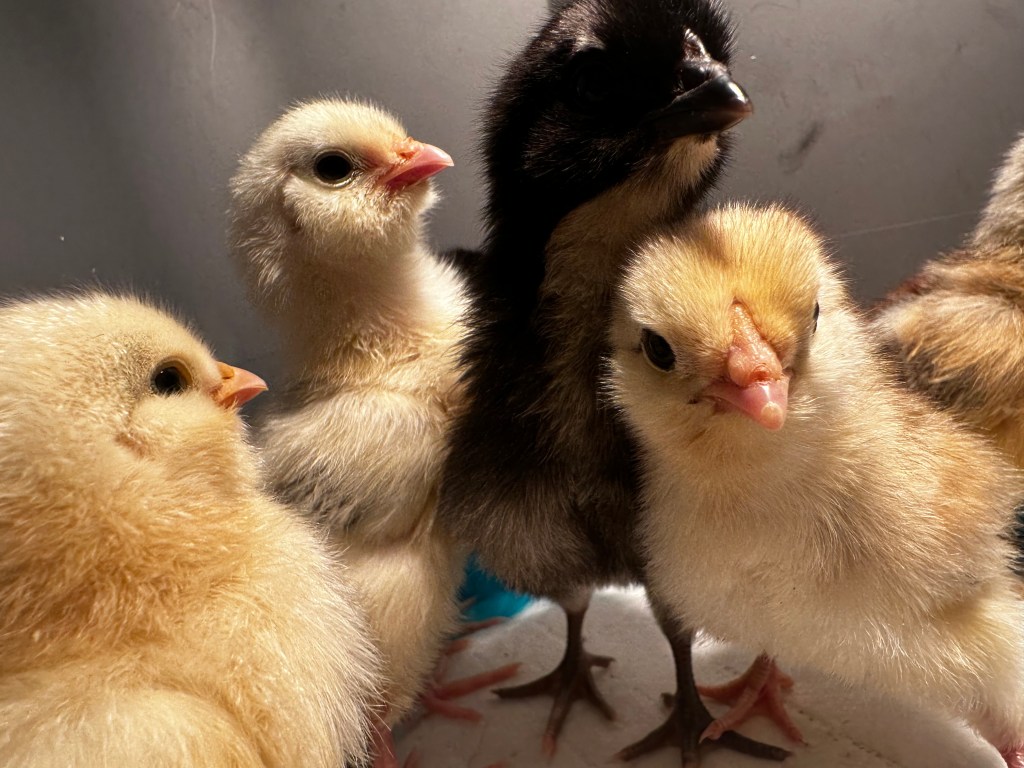
If your primary goals include fresh eggs, food security, compost production, and companionship, a flock made up entirely of hens is often the simplest and most practical option.
Raising Roosters: Purpose Beyond Eggs
Roosters are often misunderstood and, in many cases, unnecessary for beginner or suburban flocks. However, they do play important roles on certain types of homesteads.

Roosters are not required for egg production, but they are required for fertile eggs. If you plan to hatch chicks, maintain heritage breeding lines, or raise chickens long-term without purchasing new birds, a rooster becomes essential.
Reasons some homesteaders choose to keep roosters:
- Fertile eggs for hatching
- Flock protection and predator alerts
- Maintaining breeding programs or heritage breeds
- Natural flock dynamics
That said, roosters come with challenges. Crowing can be loud and frequent, especially in the early morning. Roosters can also become aggressive, particularly during breeding season or if not properly managed.
Legal and Practical Considerations for Roosters
Before deciding to keep a rooster, it’s critical to understand local regulations. Many towns and counties prohibit roosters entirely due to noise concerns.
Even where roosters are legal, practical questions still matter:
- Do you have the space to manage breeding behavior?
- Are neighbors nearby?
- Do you have a plan if a rooster becomes aggressive?
Being honest about your environment helps prevent difficult decisions later.
Keeping Both Hens and Roosters: A Balanced Homestead Flock
For rural or semi-rural homesteads, keeping both hens and roosters can make sense—especially when long-term sustainability is a goal.
A balanced flock allows for:
- Natural breeding and flock renewal
- More complex social structures
- Increased flock awareness of predators
However, balance matters. Too many roosters can stress hens, reduce egg production, and lead to injuries.
A commonly recommended ratio is one rooster for every 8–12 hens, though this can vary depending on breed and temperament.
Temperament Matters More Than Gender Alone
It’s important to note that behavior varies widely by breed and individual bird. Some hens can be assertive, and some roosters can be gentle and calm.
Spending time observing your flock, handling birds regularly, and selecting breeds known for good temperament all play a role in long-term success.
Making the Right Choice for Your Homestead
When choosing between hens, roosters, or both, ask yourself a few honest questions:
- Do I want eggs only, or do I want to hatch chicks?
- What are my local regulations?
- How much space do I realistically have?
- Am I prepared to manage breeding behavior and noise?
There is no one-size-fits-all answer. Many homesteaders start with hens only and later introduce a rooster once their goals evolve. Others decide that hens alone meet all their needs—and that’s perfectly valid.
A J & J Homestead Perspective
At J & J Homestead, we approach chicken keeping with intention. Every animal should serve a purpose while still fitting into a sustainable, humane, and manageable system.
Whether you choose hens, roosters, or both, the key is aligning your flock with your lifestyle—not forcing your lifestyle to fit your flock.
Chickens thrive when their caretakers plan ahead, stay flexible, and respect the role each bird plays. When that balance is right, your flock becomes more than livestock—it becomes a living part of the homestead ecosystem.

Leave a Reply