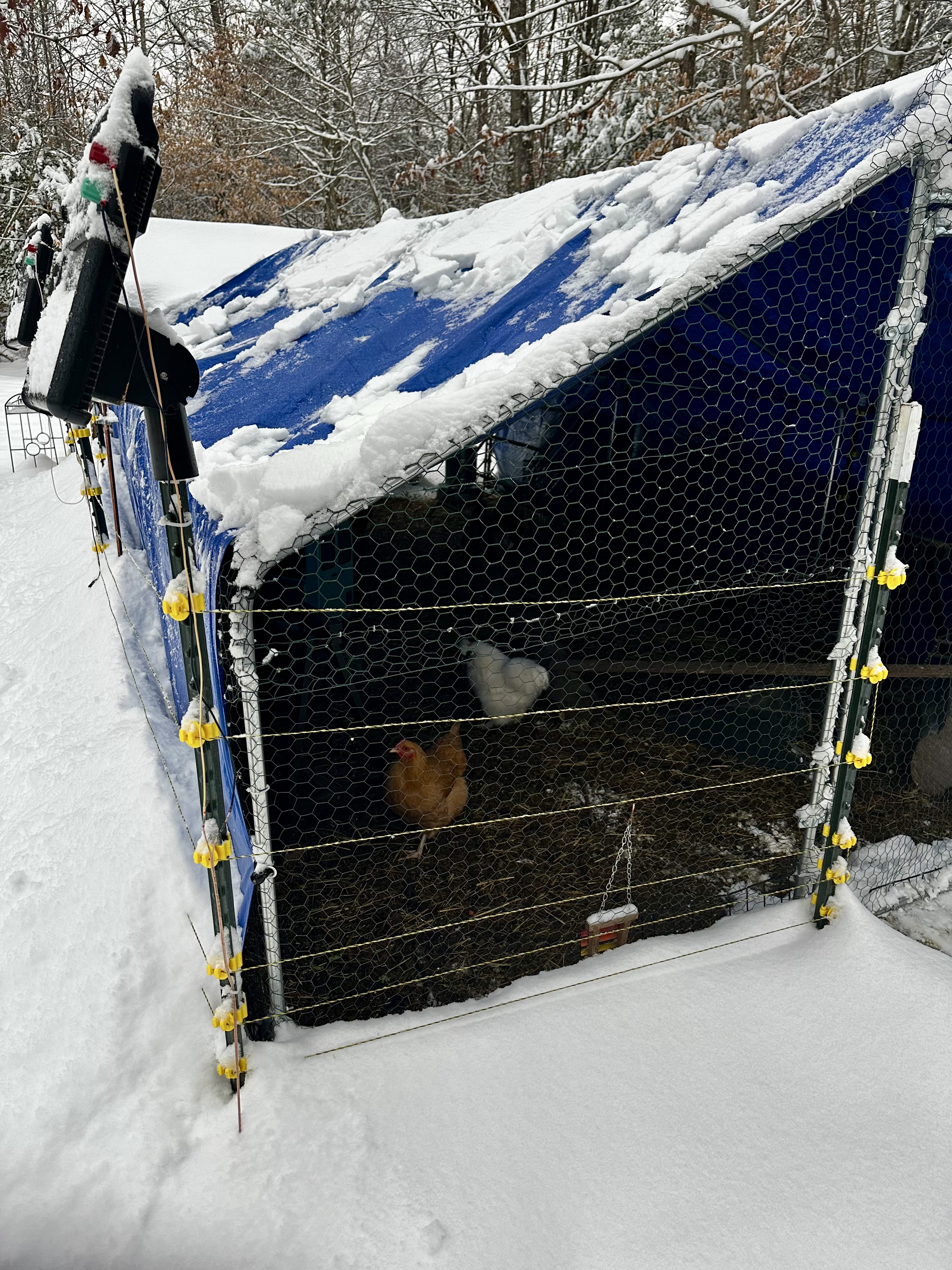
This weekend, we—along with millions of others across the region—are preparing for a significant winter storm expected to bring heavy snow and sleet to Virginia. Just days ago, the forecast was calling for as much as 24 inches of snow. Fortunately, those predictions have shifted, and we’re now expecting a “mere” 12+ inches of snow. While that sounds like an improvement, anyone who has lived through a Virginia winter storm knows that even a foot of snow can have a major impact.
Heavy snow, ice, and high winds can quickly lead to downed trees, blocked roads, and extended power outages. We’ve learned this firsthand.
In 2022, we experienced an unexpected 13 inches of snow, and what we thought would be a short inconvenience turned into a full week without power. That storm taught us many lessons—some the hard way—about preparation, backup plans, and how quickly conditions can change. This time around, we’re doing our best to be proactive, thoughtful, and realistic about whatever lies ahead.
Here’s how we’re preparing our homestead, animals, greenhouse, honeybees, and household for a major winter snowstorm in Virginia.
Preparing Chickens for a Winter Snowstorm
Chickens are more cold-hardy than many people expect, but winter storms introduce challenges beyond temperature alone. Wind, moisture, and drafts are often the biggest threats.
Before the storm arrives, we carefully inspect the coop for drafts and seal any gaps while maintaining proper ventilation near the roofline. Good airflow prevents moisture buildup, which is critical during cold weather. We add extra dry bedding to nesting boxes and the coop floor, often using a deep-litter approach to help with insulation.
Roosts are checked to ensure birds are off the ground and able to keep their feet warm overnight. Feeders are filled completely, and additional feed is stored indoors so it stays dry and accessible if snow limits movement. Water systems are tested ahead of time, and backup containers are staged in case we need to manually replace frozen water.
If the power goes out, we’re prepared to change water multiple times a day and keep things simple and safe—avoiding heat lamps whenever possible due to fire risk.
Preparing Ducks for Snow, Ice, and Cold
Ducks handle cold temperatures well, but wet conditions combined with freezing weather can become dangerous quickly. Our storm preparation for ducks focuses on shelter, bedding, and water management.
Before the snow begins, ducks are moved into a wind-protected shelter that blocks blowing snow without becoming airtight. Thick straw bedding is added and monitored closely, since ducks tend to splash water everywhere. Keeping bedding dry is one of the most important winter tasks.
Feeders are topped off, and deep water access is removed temporarily. Shallow tubs are much easier to manage in freezing temperatures and help prevent ice-related injuries. During the storm, water is refreshed frequently, and ducks are kept contained so they don’t wander into deep snow or drifts.
In the event of a power outage, having warm water ready and towels available can make a big difference in keeping ducks dry and comfortable.
Preparing the Greenhouse for Heavy Snow and Cold Temperatures
A winter greenhouse is a valuable asset, but snowstorms can put significant stress on both plants and structures. Preparation begins well before the first flakes fall.
We water plants ahead of the storm, as moist soil retains heat better than dry soil. Vulnerable crops are harvested early, and frost cloth or row covers are added to beds for extra insulation. The greenhouse structure is inspected for loose panels, doors, or anchors that could fail under snow load or strong winds.
A soft broom is staged nearby so snow can be cleared from the roof before it accumulates too heavily. We also add extra thermal mass—such as water jugs or barrels—to help stabilize overnight temperatures.
If power is lost, the greenhouse remains tightly closed to retain heat. Plants are layered with additional insulation using supported row covers or blankets, ensuring nothing touches the leaves directly. While growth may slow during extended cold, protected plants usually recover well once conditions improve.
Preparing Honeybees for a Winter Storm
Honeybees are remarkably self-sufficient during winter storms, but a few preventative steps help ensure they stay safe.
Before snowfall, we confirm that hives are properly weighted or strapped to prevent tipping during high winds. Ventilation openings are checked, and windbreaks are secured. Food stores are assessed earlier in the season so emergency feeding isn’t needed during extreme cold.
After the storm passes, snow is gently cleared from hive entrances without opening the hive. Disturbing the winter cluster during freezing temperatures can do more harm than good, so our approach is minimal and careful.
Preparing for a Power Outage on the Homestead
After losing power for an entire week during the 2022 snowstorm, we now prepare for winter weather assuming that electricity may be unavailable for an extended period.
Before the storm, the generator is tested and fueled, and extension cords are checked. Lanterns, flashlights, and headlamps are gathered in one location, with batteries replaced as needed. All candles, matches, and lighters are placed together, and fire extinguishers are easily accessible.
Phones, battery packs, and tool batteries are fully charged ahead of time. Warm clothing—sweaters, thermal layers, wool socks, hats, gloves, and extra blankets—is pulled out early so nothing has to be searched for in the dark. We also set aside barn clothes so outdoor chores don’t soak indoor layers.
Grocery Shopping Before a Virginia Snowstorm
Winter storms aren’t the time to realize the pantry is empty. We plan grocery shopping several days ahead and aim to be stocked for at least three to five days.
Staples like bread, milk or shelf-stable alternatives, eggs, butter, cooking oil, coffee, tea, sugar, and honey form the base. Easy comfort meals—soups, chili, pasta, rice, oatmeal, and crackers—make snow days simpler and warmer. Fresh produce that stores well, such as onions, garlic, carrots, apples, potatoes, and hardy greens, rounds out the list.
We also keep extra bottled water on hand for both people and animals, along with pet food and disposable plates or utensils in case water access becomes limited.
Lessons Learned and Looking Ahead
Winter storms have a way of reminding us that homesteading is as much about preparation as it is about daily chores. Losing power for a week in 2022 taught us that forecasts can change quickly and that being ready—even when conditions improve—matters.
This weekend, we’re hoping for the best while preparing for the worst. With everything staged ahead of time, our goal is simple: keep animals safe, protect what we’ve grown, stay warm, and move at a slower pace until the storm passes.
Preparation doesn’t eliminate every challenge, but it does bring peace of mind—and on a homestead, that’s worth a lot.

Leave a Reply