
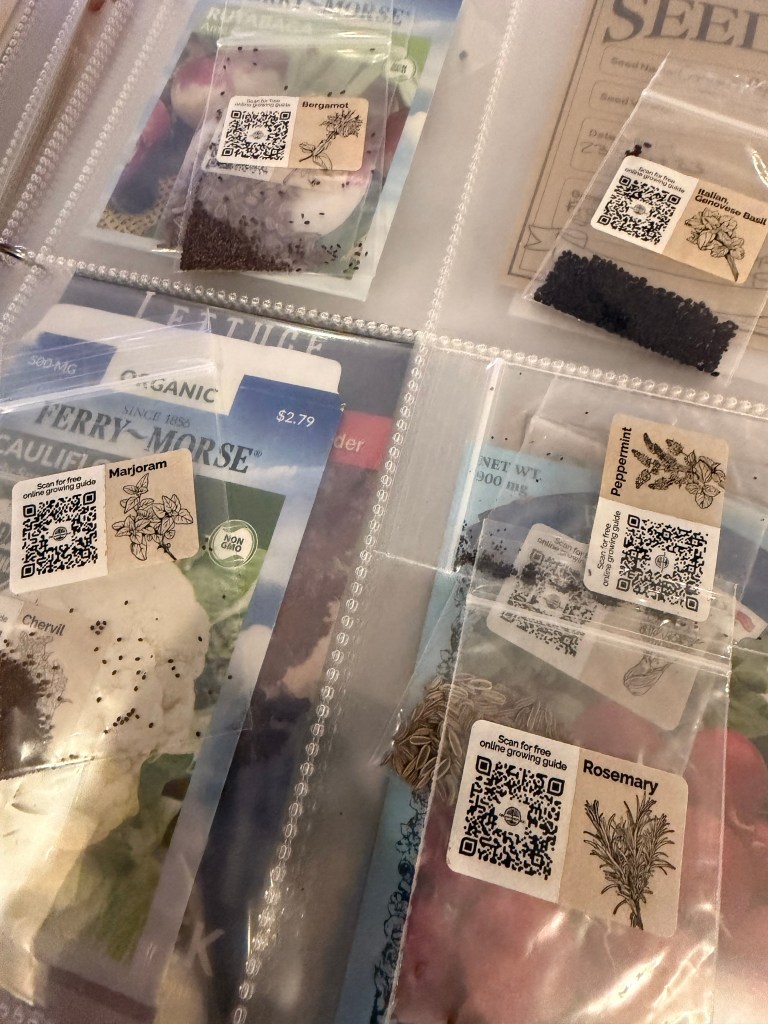
I have been spending a lot of time organizing my seeds and preparing the planting schedule for the upcoming garden and planting season. With that in mind, I thought I’d share my thoughts on companion planting and some ways that I use the practice to my advantage on the homestead.
This is the time of year when plans look perfect on paper—neat seed packets, tidy charts, and ambitious ideas for the garden ahead. But experience has taught me that a successful garden isn’t just about what you plant. It’s also about who you plant together. Companion planting is one of those old-fashioned gardening practices that quietly does a lot of heavy lifting, and once you start using it intentionally, it’s hard to imagine gardening without it.
What Is Companion Planting (and Why It Matters)
Companion planting is the practice of growing certain plants together because they benefit one another. Those benefits might look like fewer pests, improved pollination, healthier soil, better growth, or even improved flavor.
On the homestead, companion planting helps me work smarter, not harder. It reduces pest pressure naturally, maximizes limited space, and creates a garden that feels balanced instead of constantly needing intervention.
10 Companion Plant Pairings I Rely On in the Garden
1. Tomatoes & Basil
This classic pairing earns its reputation. Basil helps deter pests like aphids and tomato hornworms, and many gardeners believe it enhances tomato flavor. I like planting basil right at the base of my tomatoes so it acts as living ground cover.
2. Carrots & Onions
Carrots and onions protect each other by confusing pests with their scents. Onion smell helps deter carrot flies, while carrots don’t compete aggressively for nutrients. This is a simple, efficient pairing for raised beds or rows.
3. Cucumbers & Nasturtiums
Nasturtiums are one of my favorite companion plants. They act as a trap crop for aphids and help deter cucumber beetles. They also spill beautifully over the edge of garden beds, which never hurts.
4. Corn, Beans & Squash (The Three Sisters)
This traditional trio works because each plant plays a role. Corn provides support, beans fix nitrogen, and squash shades the soil to suppress weeds and retain moisture. It’s companion planting at its most elegant.
5. Lettuce & Radishes
Radishes grow quickly and help loosen soil for lettuce roots. They’re often harvested before lettuce needs the space, making this pairing ideal for early spring planting when every inch of garden space counts.
6. Peppers & Marigolds
Marigolds help deter nematodes and other soil pests while attracting beneficial insects. Planting them near peppers adds a layer of protection and brings color into the garden at the same time.
7. Cabbage Family & Dill
Dill attracts beneficial insects that prey on cabbage worms and aphids. When planted near broccoli, kale, or cabbage, it becomes part of a natural pest-control system that requires very little effort from me.
8. Strawberries & Borage
Borage attracts pollinators and beneficial insects, which helps improve strawberry yields. It also contributes trace minerals to the soil, making it a hardworking companion plant that gives back in multiple ways.
9. Garlic & Fruit Trees
Garlic helps repel aphids and other pests that commonly affect fruit trees. I like planting garlic around the drip line—it takes up minimal space and pulls double duty as both protection and harvest.
10. Spinach & Peas
Peas add nitrogen to the soil, which benefits leafy greens like spinach. Spinach, in turn, acts as living mulch, shading the soil and conserving moisture during cooler growing seasons.
Companion Planting Isn’t About Rules—It’s About Observation
One of the biggest lessons I’ve learned is that companion planting isn’t rigid. Soil, climate, pests, and even yearly weather patterns all play a role. What works beautifully one season may need tweaking the next.
I treat companion planting as a framework, not a formula. I observe, take notes, and adjust each year based on what thrives and what struggles.
A Garden That Works Together
Companion planting encourages a healthier, more resilient garden—one where plants support each other instead of competing. It reduces the need for chemical interventions, improves yields, and makes the garden feel more intentional and alive.
As I finish organizing seeds and mapping out the growing season ahead, companion planting is always part of the plan. It’s one of the simplest ways to set the garden up for success before the first seed ever touches the soil—and one of the most rewarding practices to grow alongside.

Leave a Reply