The most important invention in your lifetime is…
If you had told me years ago that one of the most important tools on our homestead would fit in my back pocket, I probably would have laughed. When people picture homesteading, they imagine worn notebooks, muddy boots, seed catalogs spread across the kitchen table, and a life intentionally slower than the modern world.
And yet—here we are.
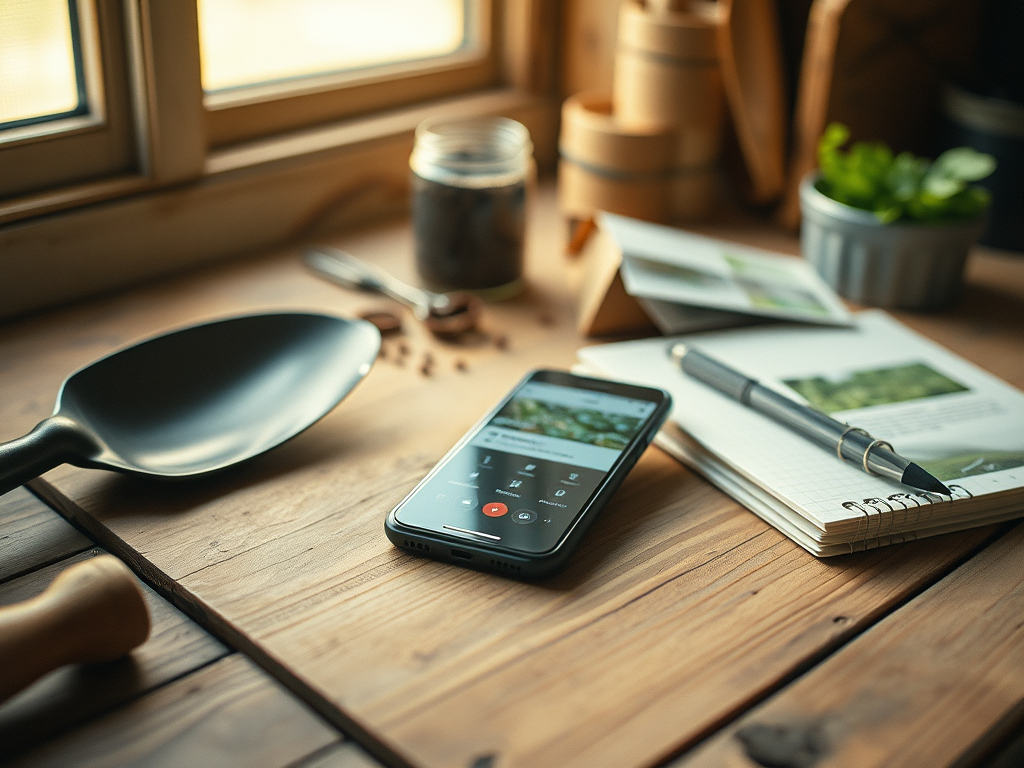
Somewhere along the way, the smartphone quietly became one of the most useful tools we own, right alongside shovels, feed scoops, and fencing pliers.
From Notebooks to Notes Apps
I used to carry a small notebook everywhere—logging egg counts, garden observations, seed-start dates, and reminders scribbled in margins. These days, that notebook lives inside my phone.
Planting schedules, to-do lists, hive notes, and seasonal reminders are all there, ready when I need them. I can jot something down while standing in the greenhouse or walking back from the coop, and I don’t lose the thought before I make it back inside.
It turns out organization doesn’t have to be old-fashioned to be effective.
Diagnosing Problems in Real Time
Anyone who keeps animals knows that questions never wait for convenient moments.
A chicken looks “off.”
A plant leaf curls the wrong way.
A duck limps.
Before smartphones, those questions might have lingered until you could find a book or reach someone knowledgeable. Now, you can look things up immediately—often while standing right there in the moment.
From identifying common chicken illnesses to confirming whether a plant issue is nutrient-related or weather-driven, smartphones help us respond faster, not panic longer.
Weather Awareness Changed Everything
One of the biggest shifts smartphones brought to homesteading is weather awareness.
Frost warnings.
Sudden temperature drops.
Incoming storms.
Instead of relying solely on instinct or yesterday’s forecast, we now get real-time alerts that allow us to cover beds, move animals, secure tarps, or adjust feeding schedules before damage is done.
Technology didn’t remove us from paying attention to the land—it made us better listeners.
A Camera That Documents the Seasons
The camera alone earns the smartphone a place on the homestead.
We document growth, setbacks, first eggs, first blooms, storm damage, and quiet moments that might otherwise be forgotten. These photos become reference points—What did this bed look like last year? When did that tree first bloom? How early did we harvest?
It’s memory-keeping with purpose.
Emergency Preparedness in One Place
On a homestead, emergencies don’t stop at the back door.
Smartphones now hold:
- Emergency contacts
- Power outage updates
- Local alerts
- Maps and directions
- Communication when landlines are down
In rural settings especially, this matters. The phone becomes a connection point when things go sideways—and that’s not something to dismiss lightly.
Technology Didn’t Pull Us Away from the Land
This is the part that surprises people.
Smartphones didn’t make us less connected to our homestead—they made us more responsive to it.
We notice patterns sooner.
We prepare instead of react.
We learn continuously instead of repeating mistakes in isolation.
The land still sets the pace. The phone just helps us keep up.
A Modern Tool with an Old Purpose
At its heart, homesteading has always been about stewardship—paying attention, responding thoughtfully, and caring well for what’s been entrusted to us.
The smartphone is simply the modern version of tools homesteaders have always used to do that work better.
It doesn’t replace experience.
It doesn’t replace intuition.
But it does support both.
And in a world where time, weather, and energy are always in motion, that little toolbelt in your pocket has earned its place.


Leave a Reply