Modern homesteading isn’t about going “off-grid” or living miles away from civilization—though it certainly can be. Today, homesteading is a mindset. It’s about intentionally creating a life rooted in self-sufficiency, sustainability, and purpose—no matter where you live.
Whether you’re on a few acres in the countryside, a suburban backyard, or even working with a small patio, modern homesteading is scalable, flexible, and deeply personal. And that’s exactly what makes it so powerful.
What Is Modern Homesteading?
At its core, modern homesteading is the practice of producing more of what you consume while reducing reliance on external systems. It blends traditional skills—like gardening, food preservation, and animal care—with modern tools, knowledge, and lifestyles.
Unlike the homesteaders of the 1800s, most of today’s homesteaders balance jobs, families, and community life. It’s not about isolation—it’s about intention.
Modern homesteading can include:
- Growing your own food
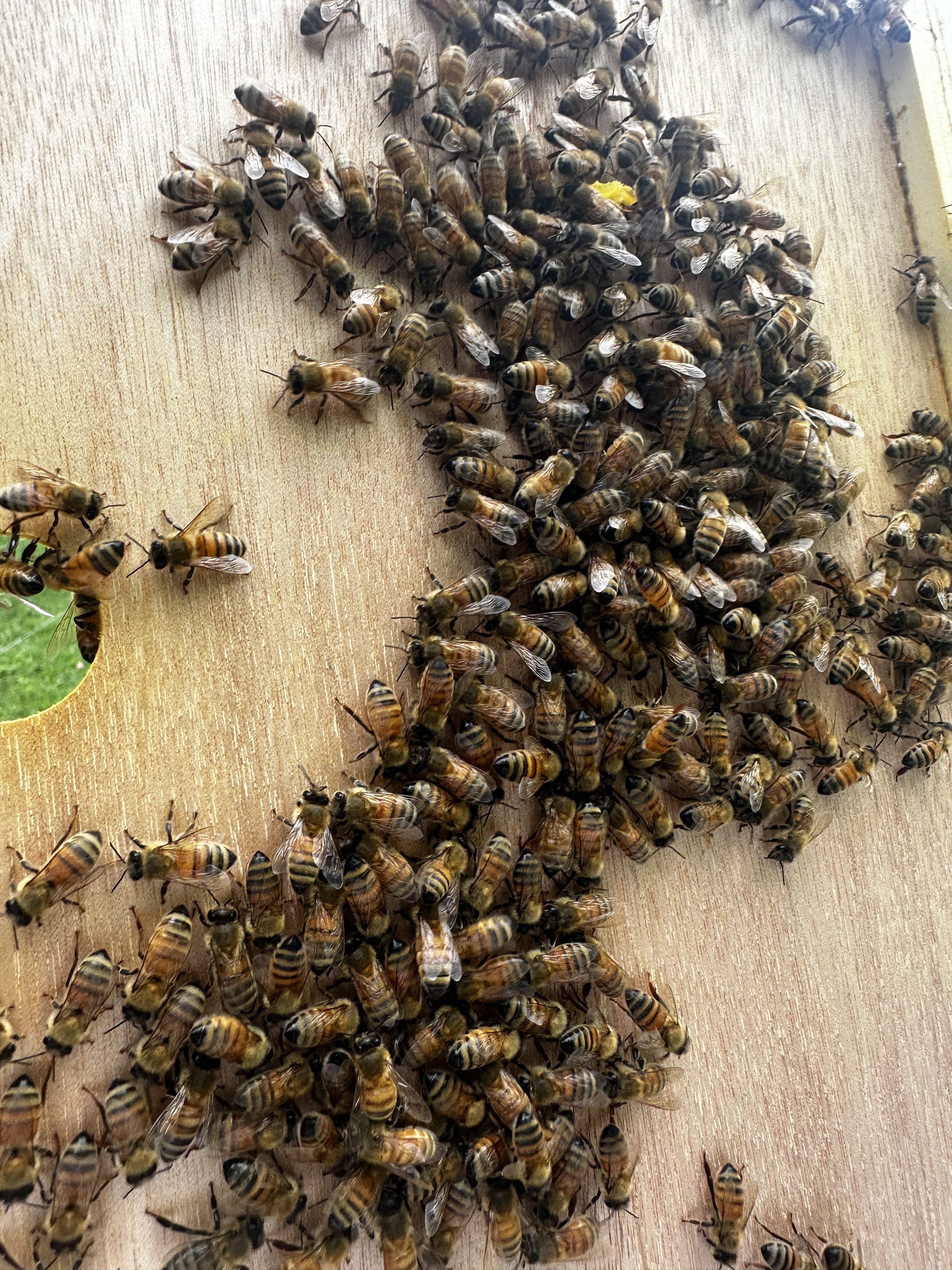
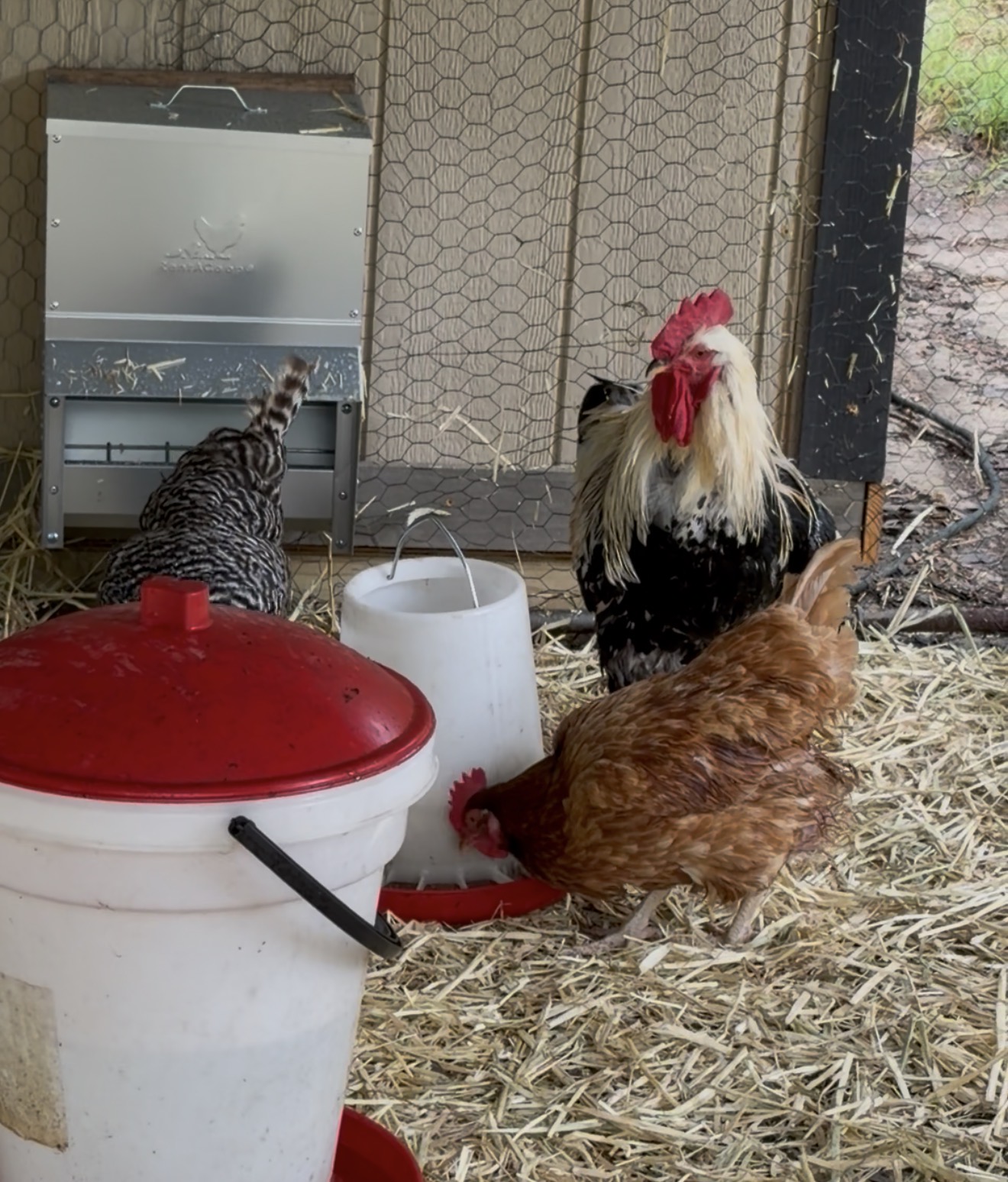
- Raising backyard chickens or bees
- Baking from scratch
- Preserving harvests through canning or freezing
- Building and repairing what you can
- Creating systems that reduce waste and increase resilience
It’s less about perfection—and more about progress.
The Philosophy Behind Homesteading
Modern homesteading is often described as a return to simpler living, but in reality, it’s about living more deliberately.
It asks questions like:
- Where does my food come from?
- How can I be more self-reliant?
- What skills can I learn to support my family and community?
For many, homesteading becomes a way to reconnect—with the land, with food, and with a sense of purpose that’s often lost in fast-paced modern life.
Why Modern Homesteading Is Growing
There’s a reason more people are turning toward homesteading today than ever before.
1. Food Security and Quality
People want to know what’s in their food—and where it comes from. Growing your own vegetables, collecting fresh eggs, or harvesting honey gives you complete control over quality and care.
2. Rising Costs of Living
From groceries to utilities, costs continue to rise. Homesteading helps offset expenses by producing what you would otherwise purchase.
3. A Desire for Simplicity
Modern life can feel overwhelming. Homesteading provides a grounded, slower-paced rhythm that many people find deeply fulfilling.
4. Sustainability and Environmental Awareness
Reducing waste, composting, growing organically, and supporting pollinators are all ways homesteaders contribute to a healthier planet.
The Beauty of Scalable Homesteading
One of the greatest misconceptions about homesteading is that you need land, money, and time to get started. The truth is—you can start exactly where you are.
Apartment or Small Space Homesteading
Even with limited space, you can:
- Grow herbs on a windowsill
- Start container gardening on a balcony
- Bake your own bread
- Learn food preservation techniques
- Reduce waste through composting or mindful consumption
Suburban Homesteading
With a backyard, your options expand:
- Raise a small flock of chickens
- Build raised garden beds
- Install rainwater collection systems
- Start composting
- Plant fruit trees or berry bushes
Rural or Larger Homesteads
With more land, you can scale further:
- Raise livestock (chickens, turkeys, goats, etc.)
- Expand into larger gardens or greenhouses
- Keep honey bees
- Grow food for both your family and your community
- Operate a farmstand or small business
Each level builds on the same foundation—just at a different scale.
What Modern Homesteading Looks Like in Real Life
For many homesteaders, the lifestyle isn’t about doing everything—it’s about doing what matters most.
It might look like:
- Gathering eggs before work in the morning
- Watering the garden in the evening
- Baking for a weekend farmstand
- Starting seeds in a greenhouse between busy workdays
- Learning as you go—season by season
It’s not always picture-perfect. There are setbacks, lessons learned, and long days. But there’s also an incredible sense of accomplishment that comes from building something with your own hands.
Skills That Define Modern Homesteaders
Modern homesteading is built on skills—many of which can be learned over time.
Some of the most valuable include:
- Gardening and soil health
- Animal care and husbandry
- Food preservation (canning, freezing, dehydrating)
- Cooking and baking from scratch
- Basic carpentry and DIY skills
- Time management and seasonal planning
You don’t need to master them all at once. In fact, most homesteaders learn one skill at a time—and build from there.
The Community Aspect of Homesteading
While the image of homesteading often feels solitary, the reality is far more connected.
Modern homesteaders:
- Share knowledge online and locally
- Support farmers markets and local producers
- Trade goods and services
- Teach and inspire others
Community is at the heart of modern homesteading—and it’s one of the most rewarding parts of the journey.
The Challenges (and Why They’re Worth It)
Homesteading isn’t without its challenges:
- Time constraints (especially with a full-time job)
- Learning curves and mistakes
- Weather and seasonal unpredictability
- Balancing ambition with capacity
But these challenges are also what make the lifestyle meaningful. Each obstacle teaches resilience, adaptability, and patience—qualities that extend far beyond the homestead.
Why Modern Homesteading Is Worth It
At the end of the day, modern homesteading is about creating a life that feels aligned with your values.
It’s about:
- Providing for your family
- Building resilience in uncertain times
- Slowing down and appreciating the process
- Finding joy in everyday routines
It doesn’t require perfection, and it doesn’t require a specific amount of land. It simply requires a willingness to start.
Getting Started: Where You Are, With What You Have
If you’re considering modern homesteading, the best advice is simple:
Start small. Stay consistent. Grow intentionally.
Choose one thing:
- Plant a small garden
- Bake something from scratch
- Learn a new preservation method
- Add one homesteading habit to your routine
Over time, those small steps turn into something much bigger.
Final Thoughts: A Lifestyle Built With Purpose
Modern homesteading is not a destination—it’s a journey.
It evolves with your life, your space, and your goals. Whether you’re managing a full homestead, running a weekend farmstand, or simply growing herbs on your kitchen windowsill, you are part of this movement.
And that’s the beauty of it.
You don’t have to do everything.
You just have to begin.