

At J & J Homestead, we believe that nothing grown with love should ever go to waste. Whether it’s a tomato top, a handful of kale stems, or the pulp left from canning day, every part of the harvest can be given a second life. Creating a zero-waste kitchen isn’t about perfection—it’s about gratitude, creativity, and closing the loop between the garden, the kitchen, and the animals that help sustain it.
From Garden to Kitchen — Every Scrap Counts
Each season, our garden overflows with life: tomatoes, peppers, carrots, kale, and more. But with abundance comes the inevitable pile of trimmings and peels. Instead of tossing them, we turn them into new resources.
Here are some of our favorite ways to repurpose scraps:
- Tomato skins & cores: Dehydrate and blend into tomato powder for soups and sauces.
- Carrot tops: Mix with garlic, olive oil, and lemon for a bright, earthy pesto.
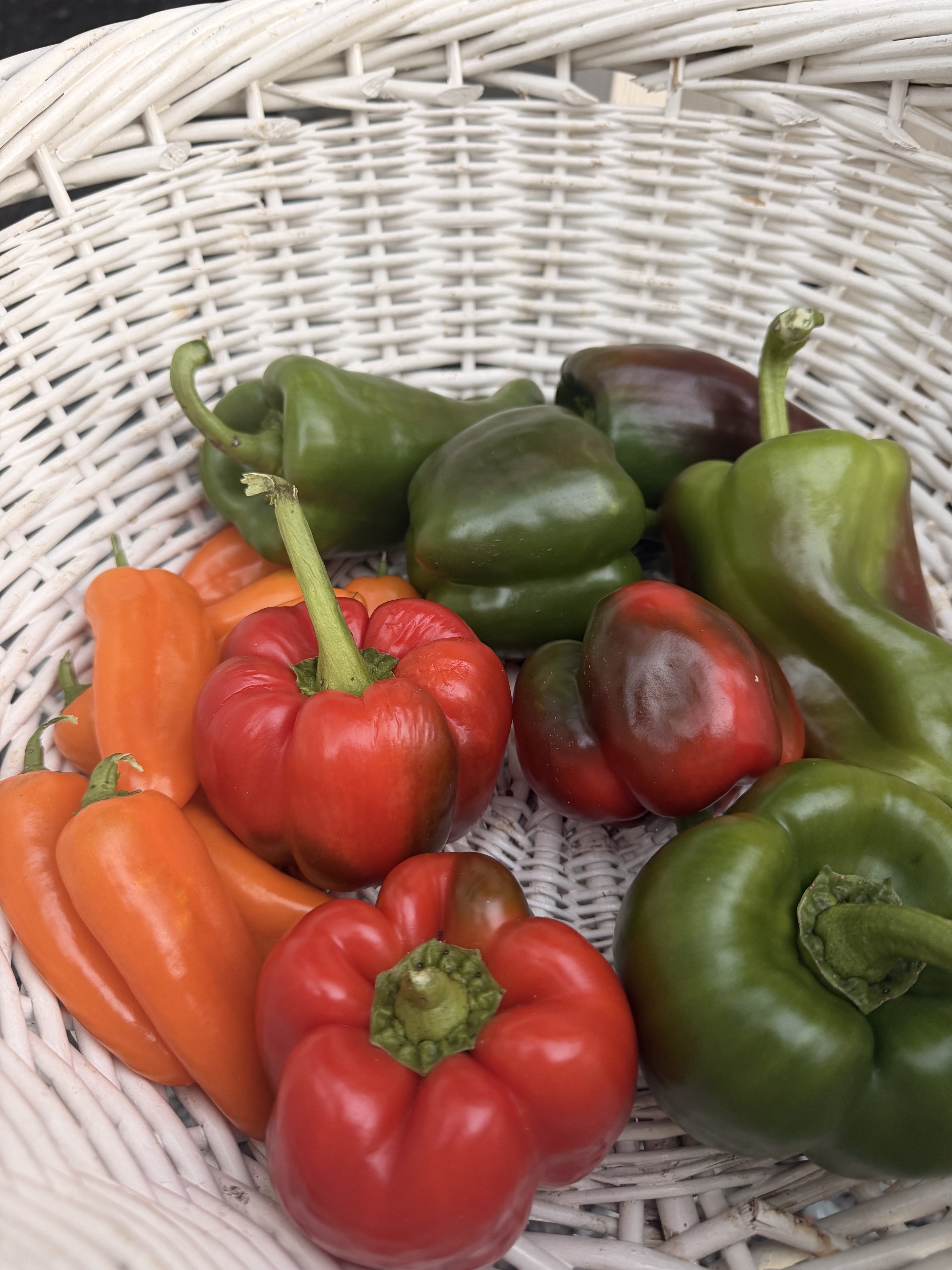
- Pepper ends: Freeze and use later for vegetable broth.
- Onion skins: Add to simmering stock for rich color and depth.
- Zucchini ends: Perfect for feeding the ducks—hydrating and crunchy!
💡 Pro Tip: Keep a freezer bag labeled “Stock Bag” for all those odds and ends. Once it’s full, simmer them into a homemade broth that captures the flavor of your garden.
Sharing with the Flock — Scraps for Chickens and Ducks
Around here, our chickens and ducks are part of the zero-waste system. Many garden and kitchen scraps make wonderful feed supplements.
Great treats for chickens and ducks:
- Lettuce, kale, spinach, arugula
- Squash and pumpkin innards
- Melon rinds and seeds
- Cooked rice or pasta (in moderation)
- Apple and pear peels
- Crushed, baked eggshells for calcium
Avoid feeding:
Onion, garlic, avocado, chocolate, salty snacks, and raw potato peels (especially green ones).
When you start feeding your birds kitchen scraps, you’ll see how quickly they become part of your waste-reduction team. The ducks love cucumber peels, while the hens chase bits of squash like it’s candy.
For more detailed feeding guidance, check out the Virginia Cooperative Extension’s Poultry Care Resources or Backyard Poultry’s guide on safe scraps.
Compost Gold — Feeding the Soil
Whatever isn’t used for broth or the flock goes into the compost pile. Composting is where the true magic of the zero-waste kitchen happens.
At J & J Homestead, our compost bin sits right next to the chicken run. The birds help stir it up while they hunt for bugs, aerating it naturally. Over time, those vegetable scraps, eggshells, and coffee grounds transform into rich, dark compost that fuels next year’s garden.
Compost-friendly materials:
- Vegetable and fruit scraps
- Coffee grounds & filters
- Tea bags and leaves
- Shredded paper or cardboard
- Crushed eggshells
Avoid meat, dairy, oils, or anything that smells rancid—they can attract pests and upset the balance of your pile.
Learn more about composting from the EPA’s Home Composting Guide or the Virginia Cooperative Extension.
Kitchen Alchemy — Turning Scraps into Something New
Zero-waste living isn’t just practical—it’s fun. A few of our favorite projects from the kitchen:
- Vegetable scrap broth: simmer a freezer bag of veggie bits for hours with herbs and salt.
- Citrus vinegar cleaner: soak citrus peels in vinegar for a week to make a natural, fresh-smelling cleaner.
- Herbal tea blends: dry leftover mint, lemon balm, and strawberry leaves for winter tea.
- Infused oils: add basil or rosemary to olive oil for a flavorful finishing touch.
Each small step reduces waste, saves money, and adds something special to daily life.
Closing the Loop
Zero-waste isn’t about doing everything perfectly—it’s about doing what you can, where you are. Here at J & J Homestead, we like to say:
“If it can feed the soil, feed the flock, or feed the family—it’s not waste.”
From the first tomato seed to the final compost pile, every stage of the process supports another. And that’s what sustainable homesteading is all about—working with nature, not against it.





Leave a Reply