
What was your favorite subject in school?
It’s funny how life has a way of teaching you the lessons you missed in school.
Growing up, I’ll be the first to admit — I didn’t enjoy school much. Sitting behind a desk, memorizing facts that didn’t feel connected to real life? It just wasn’t my thing. I wanted to be outside, getting my hands dirty, learning by doing — not flipping through textbooks.
Now, as a homesteader running J & J Homestead, I spend my days building coops, planting gardens, managing bees, and preserving food — and I can’t help but think, wow, I would have paid more attention if they’d taught this stuff back then.
So today, I want to take a look back — at the subjects I wish I’d taken more seriously (or even had the chance to take!) — because they would have made this homesteading journey a whole lot easier.
Wood Shop – The Class I Wish I’d Taken Beyond 7th Grade
If there’s one subject that I regret missing out on, it’s wood shop.
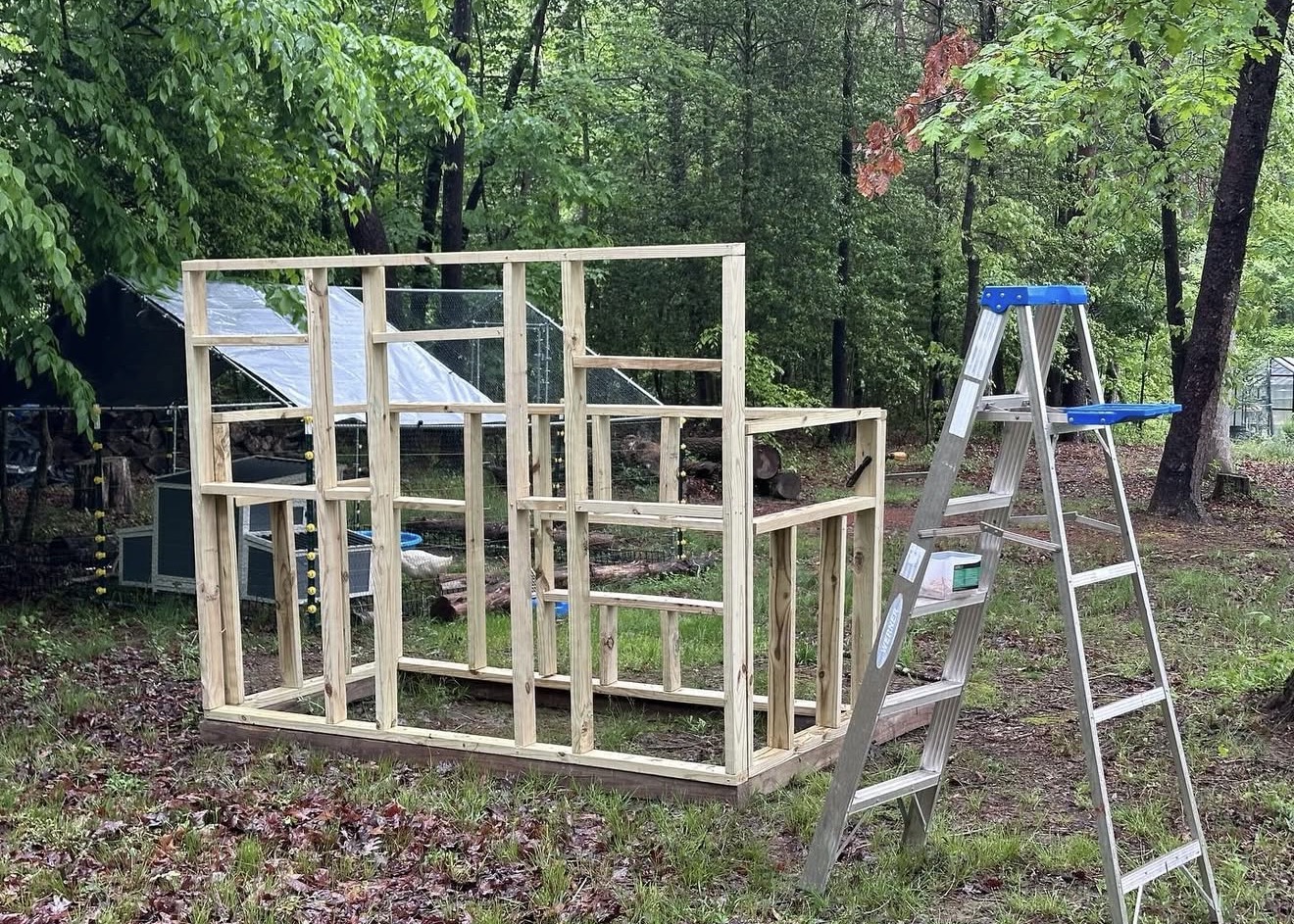
Every time I’m out in the yard building a chicken coop or repairing a garden gate, I think about how helpful those skills would have been. Learning how to measure precisely, safely handle tools, and understand basic carpentry would have saved me a lot of trial and error (and probably a few bent nails).
On the homestead, wood shop skills are gold:
- Building or repairing coops, raised beds, and fences
- Designing small animal shelters or compost bins
- Fixing what breaks without calling in help
It’s not about perfection — it’s about practicality. If schools brought back more trade-based classes like wood shop, I think a lot of us would’ve found our stride sooner.
👉 For those looking to learn as adults, the Family Handyman DIY Projects site has great beginner guides to get you started.
Agriculture and Plant Science – The Missing Link
We learned a little about photosynthesis growing up, but no one ever connected it to growing your own food. I wish there had been a class that taught about soil health, composting, and sustainable gardening.
Understanding crop rotation, organic pest control, and companion planting would have made my early gardening days much smoother. Instead, I learned by trial — and a fair amount of error.
Homesteading has taught me more about chemistry and biology than any lab ever did. The difference is, now I’m learning through living — and every season is a new experiment.
Biology – But Make It About Bees
I didn’t appreciate biology back then. But now, as a beekeeper, I wish I had paid more attention to the fascinating world of insects and ecosystems.
Beekeeping isn’t just about honey — it’s about understanding the rhythm of nature, the anatomy of the hive, and the delicate balance between bees, plants, and weather.
If someone had told me that studying insect behavior could one day help me manage four thriving beehives, I might have leaned in a little closer during class!
👉 Curious about the science of bees? The Bee Informed Partnership is an amazing resource for beekeepers of all levels.
Home Economics – The Underrated Life Skill
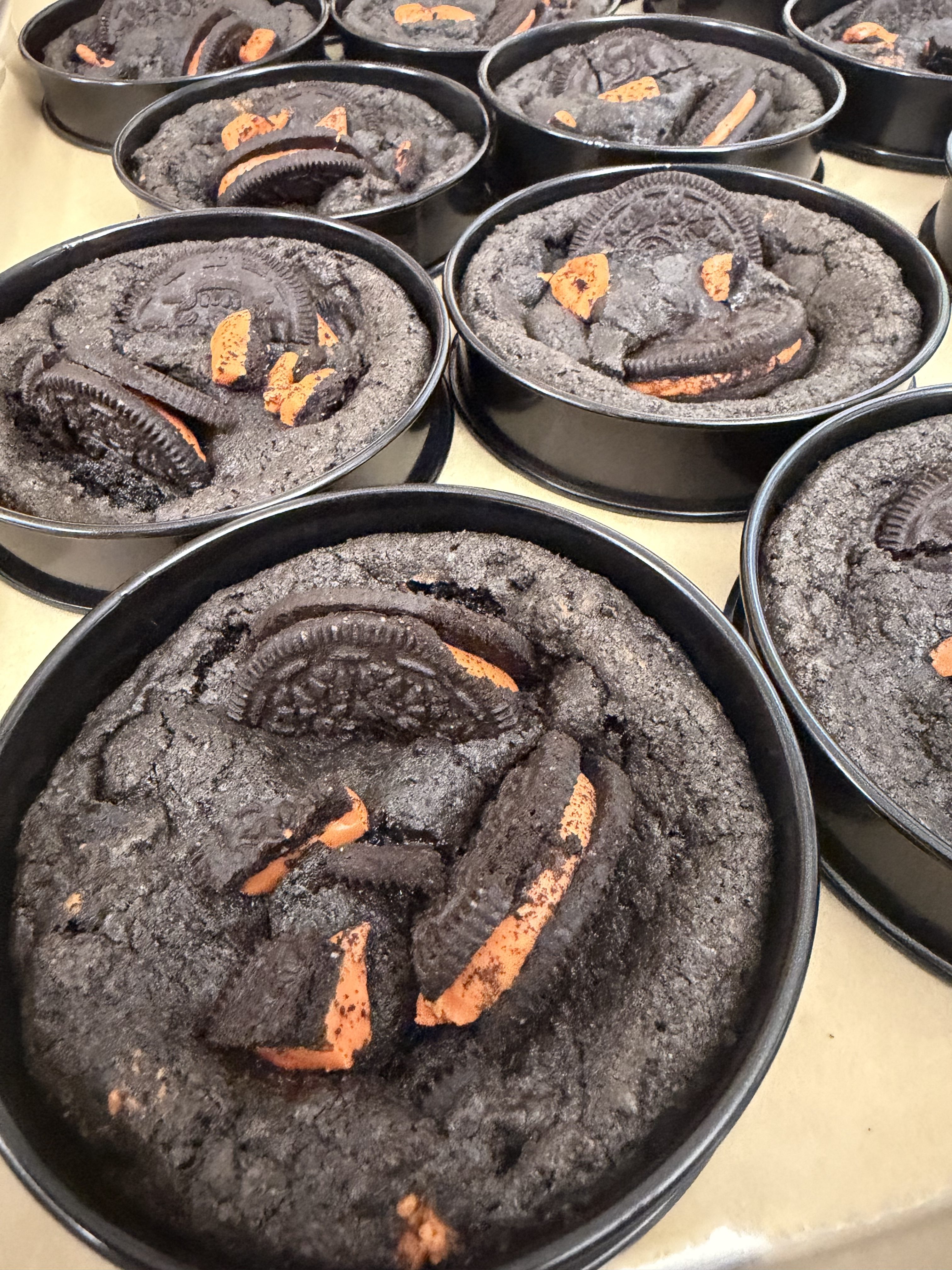
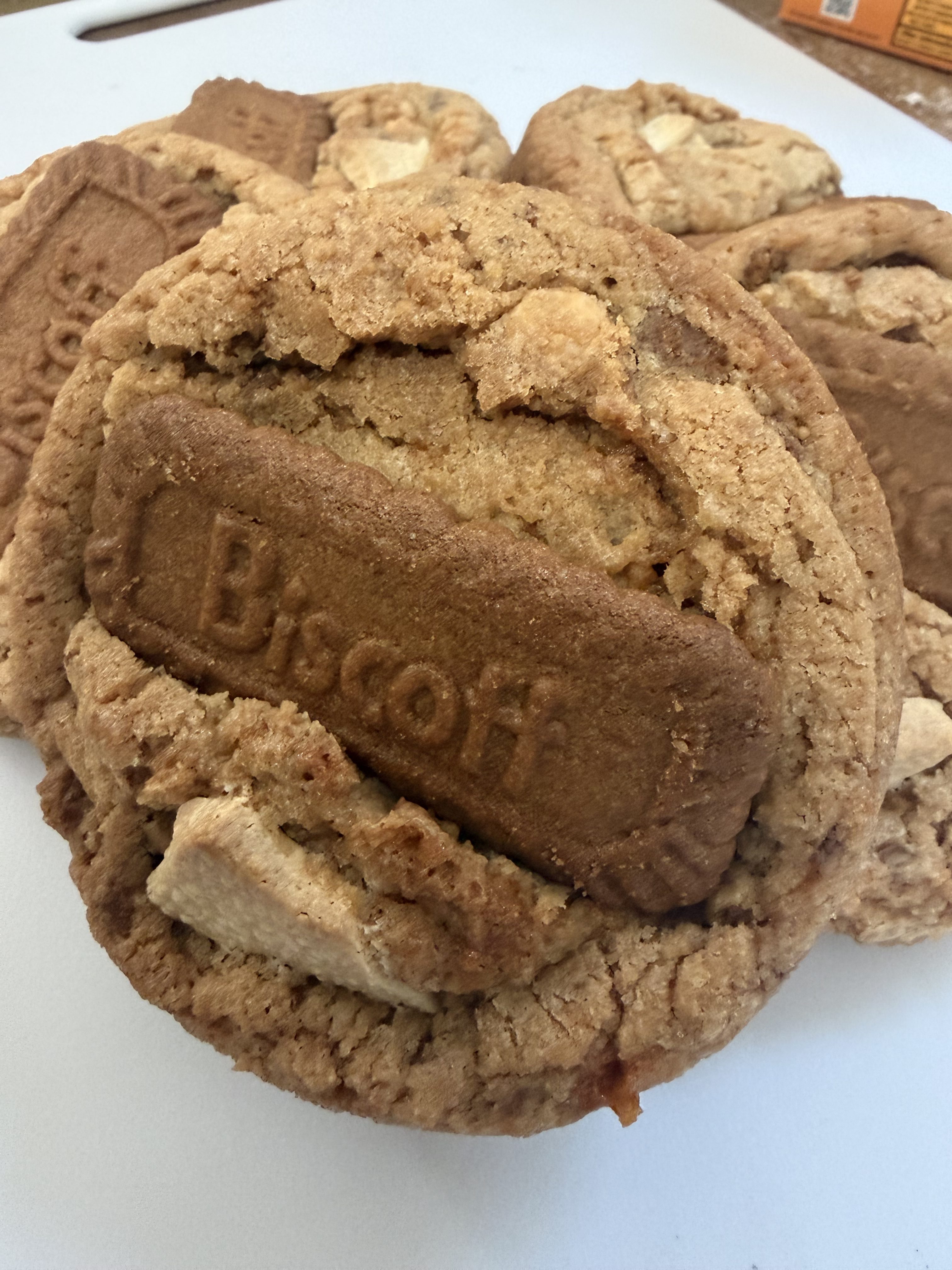
I have to admit, I was president of my chapter of Future Homemakers of America, but I don’t remember doing anything more than making cupcakes in our Home Economics. Home economics used to be a staple, but somewhere along the way, it faded out of most schools. What a shame — because those lessons in cooking, budgeting, sewing, and food preservation are essential, especially on a homestead.
Today, I rely on many of those skills daily:
- Preserving vegetables through canning or fermenting
- Making bread from scratch
- Managing the homestead’s budget and tracking costs
- Repairing clothes instead of tossing them
Learning how to make the most of what you have is the foundation of sustainable living. And that’s a lesson I wish we all learned sooner.
👉 If you’re interested in brushing up on home economics-style skills, Mother Earth News has countless articles on modern self-reliance and homestead living.
Math – But Through the Lens of Real Life
As a kid, I never thought I’d need algebra outside of a test. Now I use it constantly — from measuring lumber and calculating feed ratios to spacing garden rows and tracking egg production.
Math looks different on the homestead:
- Figuring out how much chicken feed to buy for 20 hens
- Calculating hive weight or honey yield
- Planning out a 20 x 40 garden with even rows and spacing
I wish someone had taught math through real-world examples like this. Numbers suddenly make sense when they relate to your hands-on work and your goals.
The Big Lesson: You Never Stop Learning
Here’s what I’ve realized:
Even though I didn’t love school, I’ve never stopped learning. The classroom might not have been my place, but the homestead certainly is.
Now, every day is a mix of science, art, problem-solving, and resilience.
When something breaks, I learn how to fix it.
When something fails to grow, I learn how to adapt.
And every mistake becomes a new skill I didn’t know I needed.
Homesteading is the ultimate hands-on education — one where failure is just another kind of homework.
Final Thoughts
If I could go back, I’d tell my younger self that learning doesn’t have to happen inside four walls. I’d sign up for wood shop, pay more attention in biology, and dive headfirst into anything that taught me how the world really works.
But even without those classes, the homestead has been my best teacher yet. Out here, the lessons stick — and the tests come in the form of weather, animals, and patience.
So if you didn’t love school either, don’t worry — life has a way of giving you the education you truly need, one garden bed and chicken coop at a time.





Leave a Reply