
What’s your favorite candy?
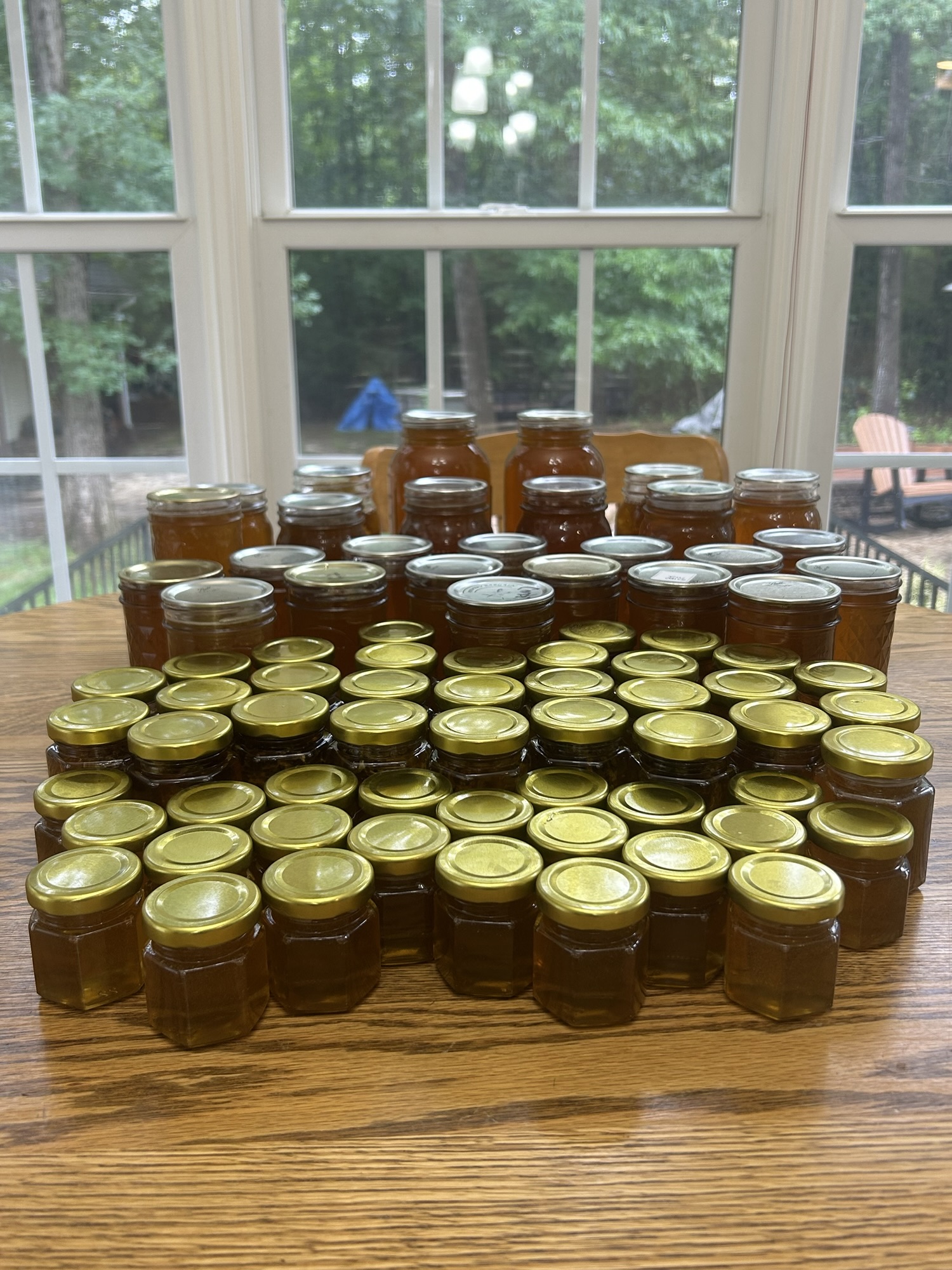
There’s something deeply satisfying about opening a jar of honey that came from your own land. Not just because it’s sweet, or golden, or beautifully imperfect—but because it tells a story. On our homestead, honey isn’t just a product we harvest. It’s a reflection of our seasons, our garden, and the quiet work happening every day in the hives.
That’s why, given the choice, we’ll reach for our homestead honey every time over store-bought.
Honey That Reflects the Land It Came From
One of the biggest differences between homestead honey and store-bought honey is where the nectar comes from.
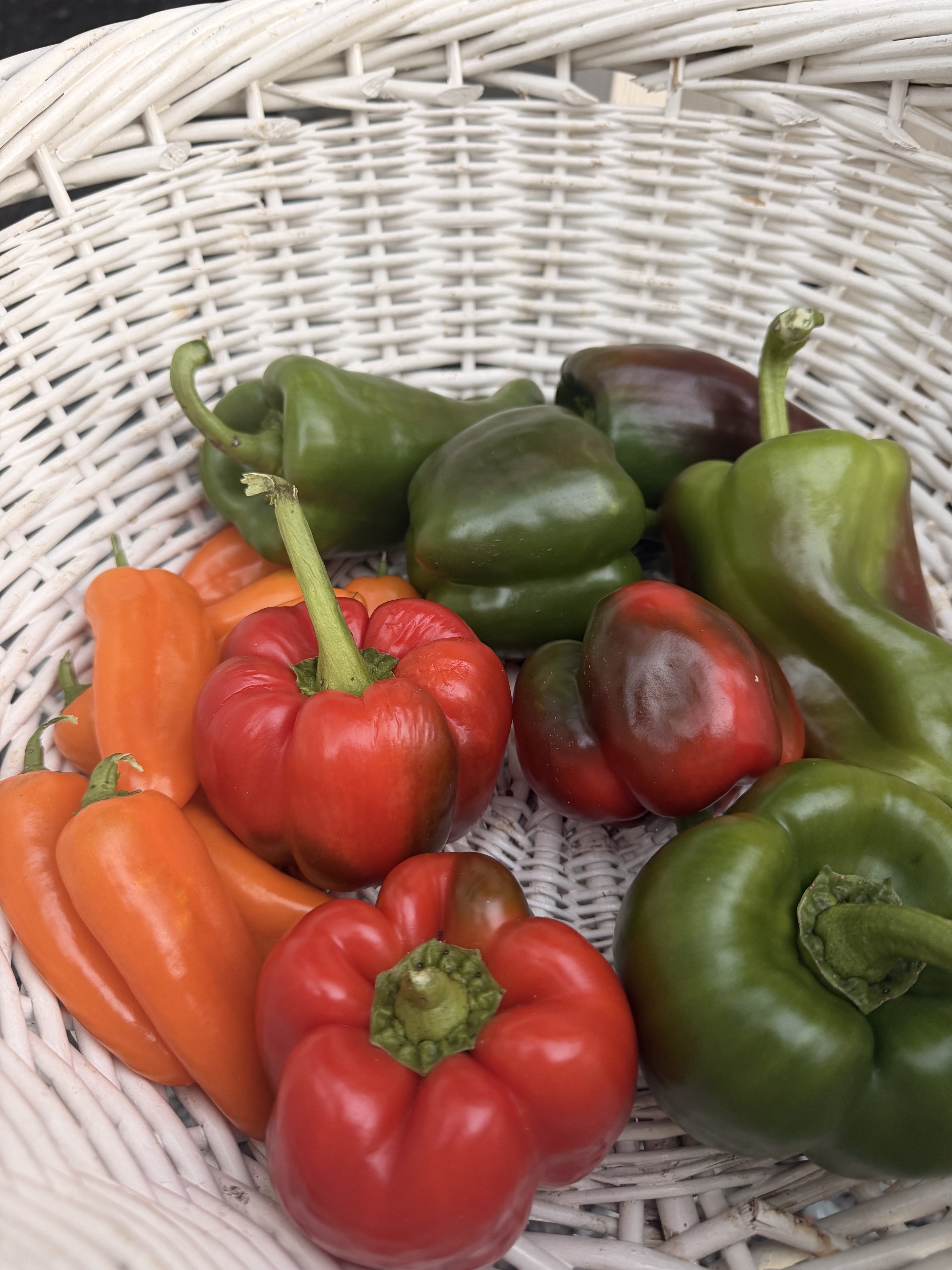
Our bees don’t forage from a single crop or a distant commercial field. They move through our garden, our trees, nearby wildflowers, and whatever happens to be blooming at that moment. Tomatoes flowering in early summer, herbs going to seed, clover in the grass, squash blossoms opening in the morning sun—all of it contributes to the final flavor of the honey.
That access creates subtle but noticeable differences:
- Spring honey may taste lighter, floral, and delicate
- Mid-summer honey often has richer, warmer notes
- Late-season honey can be deeper, sometimes almost caramel-like
Each jar captures a snapshot of what was blooming when the bees were working hardest.
Flavor Notes You Can’t Manufacture
Store-bought honey is typically blended for consistency. Large batches are mixed from multiple sources to ensure the same taste, color, and texture every time. While that makes it predictable, it also strips away personality.
Homestead honey is the opposite.
Its flavor changes slightly from harvest to harvest, sometimes even from jar to jar. You might notice hints of wildflower one year, herbal notes the next, or a brightness that seems to mirror a particularly good gardening season. That variation isn’t a flaw—it’s the point.
It’s proof that the bees had access to a diverse, living landscape.
Minimal Handling, Maximum Integrity
Another reason we prefer our own honey is knowing exactly how it’s handled. Our honey is harvested, strained, and jarred with as little interference as possible. It isn’t ultra-filtered, overheated, or processed to the point where natural enzymes and pollen are lost.
What ends up in the jar is honey as the bees made it—just cleaned of wax and debris, nothing more.
That means:
- Natural crystallization is expected and welcomed
- Color and texture vary by season
- The honey retains its raw, natural character
It’s real food, not a shelf-stable imitation of it.
A Direct Connection Between Garden and Hive
When you grow a garden and keep bees on the same land, you start to notice how connected everything is. A good bloom means a good nectar flow. A dry spell changes how the honey tastes. A new planting can influence the next harvest.
The bees respond directly to what we grow and what nature provides around us. In return, they pollinate the garden, strengthen yields, and help the entire system thrive.
That relationship shows up in the honey—layered, complex, and unique to this place.
Why Homestead Honey Just Feels Different
Beyond taste, there’s an emotional component that’s hard to ignore. Homestead honey carries meaning. It represents patience, stewardship, and trust in the process. It reminds us that something as simple as sweetness can be the result of thousands of small, unseen efforts.
When we choose our own honey over store-bought, we’re choosing:
- Transparency over mass production
- Flavor over uniformity
- Connection over convenience
And once you’ve tasted honey that truly reflects the land it came from, it’s hard to go back.
That’s why our homestead honey will always have a permanent place in our kitchen—one jar at a time, one season at a time.



Leave a Reply