When most people hear the word homesteading, they picture rolling fields, red barns, and acres of land stretching into the distance.
But here’s the truth: homesteading is not about acreage. It’s about intention.
Urban homesteading is simply choosing to live a little more connected — to your food, your home, and your daily rhythms — even if you live in the middle of a neighborhood, an apartment complex, or a busy city street.
If you’ve ever looked at a balcony and thought, “Could I grow something out here?” — you’re already thinking like an urban homesteader.
Let’s talk about how to actually begin.
What Is Urban Homesteading?
Urban homesteading is applying traditional homesteading skills in small spaces. It’s growing food in containers, composting kitchen scraps, baking your own bread, preserving seasonal produce, and learning practical skills that reduce dependence on grocery stores and supply chains.
It’s scalable. It’s adaptable. And most importantly, it’s doable.
You do not need land to start an urban homestead. You need curiosity and a willingness to try.
Start With One Pot of Something
The easiest way to start urban homesteading is simple: grow one thing.
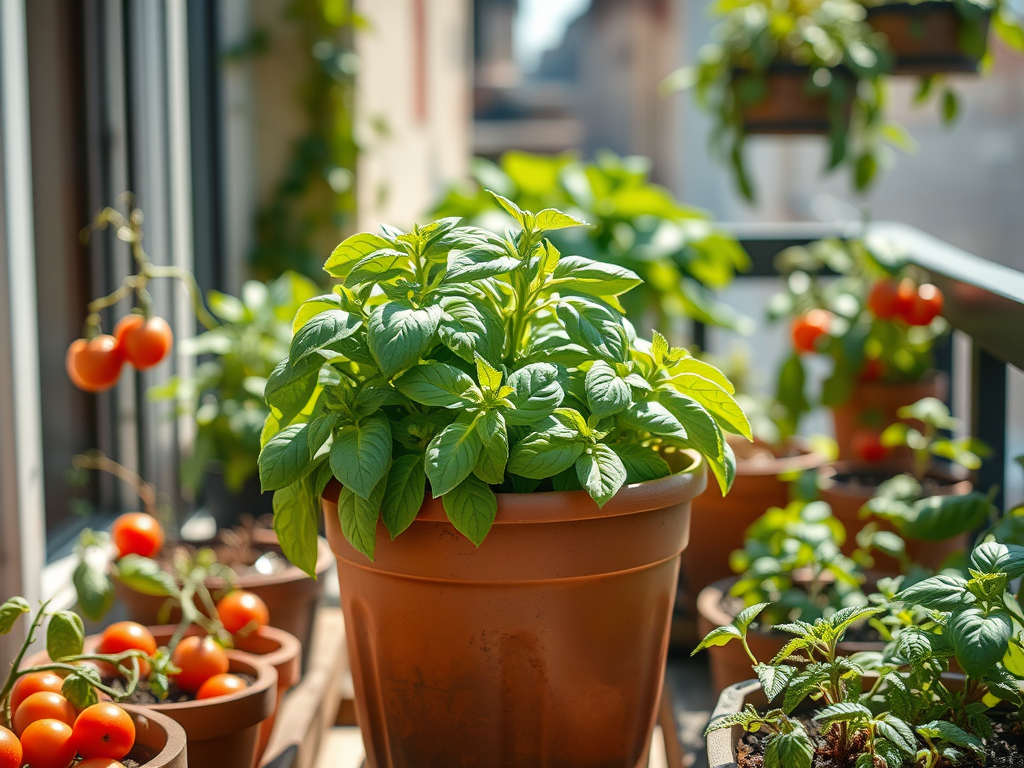
One pot of basil.
One tomato plant.
One tray of lettuce.

Container gardening is incredibly productive. A sunny balcony or patio can grow herbs, leafy greens, peppers, and even dwarf tomatoes. If you have a small backyard, a single raised bed can supply more food than you might expect.
The goal is not to feed your family for a year on day one. The goal is to build confidence.
There is something powerful about harvesting food you grew yourself — even if it’s just enough lettuce for two salads.
Close the Loop in Your Kitchen
Urban homesteading is also about reducing waste.
Instead of tossing vegetable scraps, consider composting them. If you have a yard, a small tumbler compost bin works beautifully. If you live in an apartment, worm composting (vermicomposting) is surprisingly clean and manageable. Some cities even offer compost drop-off programs.
When you turn scraps into soil, you begin to see how everything connects. Your kitchen feeds your garden. Your garden feeds your kitchen.
That’s the rhythm homesteading is built on.
Learn to Preserve What You Grow
Even small harvests can be preserved.
You can freeze chopped herbs in olive oil cubes. You can dehydrate mint or basil. You can try a small batch of water bath canning or ferment a jar of sauerkraut.
Urban homesteading for beginners often starts in the kitchen. You do not need a root cellar. You need one new skill at a time.
The beauty of this lifestyle is that skills stack. Each one builds on the last.
Check the Rules Before Expanding
If your urban homesteading dreams include backyard chickens or honey bees, take a little time to research local ordinances first. Many cities allow hens or beekeeping with simple permits. Others have HOA guidelines that may limit structures or animals.
Urban homesteading works best when it’s sustainable — and that includes being a good neighbor.
Build Skills, Not Just a Garden
Homesteading is not just about growing vegetables. It’s about capability.
It might mean learning to bake sourdough instead of buying bread.
It might mean repairing clothes instead of replacing them.
It might mean growing microgreens indoors during winter months.
Each skill increases resilience. Each one reduces reliance. Each one builds confidence.
Urban homesteading is a mindset shift more than anything else.
Start Small. Grow Slowly.
One of the biggest mistakes beginners make is trying to do everything at once — chickens, compost, raised beds, sourdough, canning — all in the first season.
You do not need to build a full urban homestead overnight.
Start with:
- One plant
- One preservation skill
- One sustainability habit
Then expand naturally as you gain experience.
This lifestyle should feel grounding, not overwhelming.
Why Urban Homesteading Matters
In a world where convenience is constant, choosing to grow your own food is quietly radical.
Urban homesteading reconnects us to seasons. It reduces grocery bills. It increases food security. It improves mental health. It builds practical knowledge our grandparents considered normal.
Most importantly, it reminds us that we are capable of providing for ourselves — even in small ways.
You do not have to leave the city to live intentionally.
You can build a small, productive ecosystem right where you are.
Final Thoughts: You’re Closer Than You Think
If you are reading this and wondering whether urban homesteading is realistic for you, let me tell you something gently:
If you can grow one pot of herbs, you can start.
If you can save kitchen scraps, you can start.
If you can learn one skill this season, you can start.
Urban homesteading is not about perfection. It is about participation.
Start where you are.
Grow what you can.
Build skills slowly.
And before long, you’ll look around and realize — you built a homestead in the middle of the city.

Leave a Reply