
If I could sit down with the version of myself who was just beginning this journey, I would pour a cup of coffee, take a deep breath, and say this: homesteading is less about perfection and more about persistence.
When we started building what is now J & J Homestead, I thought success would come from doing everything right. The perfect coop. The perfect garden plan. The perfect seed-starting schedule. What I’ve learned instead is that homesteading is built on trial, error, humility, and a deep love for the life you are creating.
If you are at the beginning of your own homesteading journey, here is the honest advice I would give myself.
Start Small and Grow Intentionally
You do not need acreage, livestock, and a greenhouse on day one. Homesteading is scalable. It can begin with container herbs on a patio or a single raised bed.
When we first started, the excitement was overwhelming. Chickens, ducks, bees, gardens, farmstand plans. Everything felt urgent. But growth without systems leads to burnout.
If I could rewind, I would start with one or two core skills and master them before adding more. For many people, that might mean beginning with:
- A small vegetable garden
- A backyard flock of hens
- Learning food preservation
The Virginia Cooperative Extension offers excellent beginner-friendly resources on gardening, poultry care, and soil health that are grounded in research and practical application: https://ext.vt.edu
Homesteading is not a race. It is a lifestyle.
Build the Infrastructure Before You Bring Animals Home
This lesson came quickly and firmly.
Before you order chicks or bring home ducklings, your systems must be ready. That means:
- A fully set-up brooder
- Feed and grit stocked
- A predator-proof coop
- A realistic daily chore plan
When we brought home our first chicks, I learned how critical those first hours are. Temperature, hydration, stress management—those early details determine survival and long-term health.

The same applies to bees. The day I brought home our first nucs, I realized there is no substitute for preparation. Classes, reading, mentorship—those matter.
For new beekeepers, the American Beekeeping Federation (https://www.abfnet.org) and local beekeeping clubs are invaluable starting points.
Animals depend on you entirely. Infrastructure first. Excitement second.
Soil Is the Foundation of Everything
If I could give my past self one agricultural piece of advice, it would be this: focus on the soil before you focus on the plants.
In the early days, I cared more about what varieties I was growing than about what was beneath them. Over time, I learned that healthy soil makes everything else easier—stronger seedlings, fewer pests, better yields.
When we mix our seed-starting blend (coco coir, compost, and perlite), it is not random. It is about aeration, moisture retention, and nutrient support. Good soil structure allows roots to thrive.
The USDA Natural Resources Conservation Service has helpful beginner resources on soil health principles: https://www.nrcs.usda.gov
Healthy soil reduces frustration. It builds resilience into your system.
Budget With a Long-Term Mindset
Homesteading can absolutely save money. But it does not always save money immediately.
Coops cost money. Greenhouses cost money. Feed, fencing, tools, and seed-starting supplies all add up. Early on, I underestimated how much infrastructure would cost before revenue from eggs, honey, or baked goods could offset it.
If I could go back, I would:
- Set clearer revenue goals
- Track expenses from day one
- Plan farmstand offerings with margin in mind
If you plan to sell products, review your state’s cottage food laws early. For example, the Virginia Department of Agriculture and Consumer Services outlines cottage food guidelines here: https://www.vdacs.virginia.gov
Homesteading is deeply rewarding, but treating it with business discipline prevents unnecessary stress.
Expect the Weather to Humble You
No amount of planning can outmaneuver weather.
Ice storms will delay seed starting. Unexpected cold snaps will stall growth. Wind gusts will disrupt weekend plans. Heat waves will challenge your greenhouse ventilation strategy.
Instead of fighting it, build flexibility into your calendar. Start seeds with buffer time. Install backup water systems. Prepare for predators before they arrive.
The weather is not your enemy. It is your teacher.

Not Every Addition Will Be the Right Fit
This is one of the harder lessons.
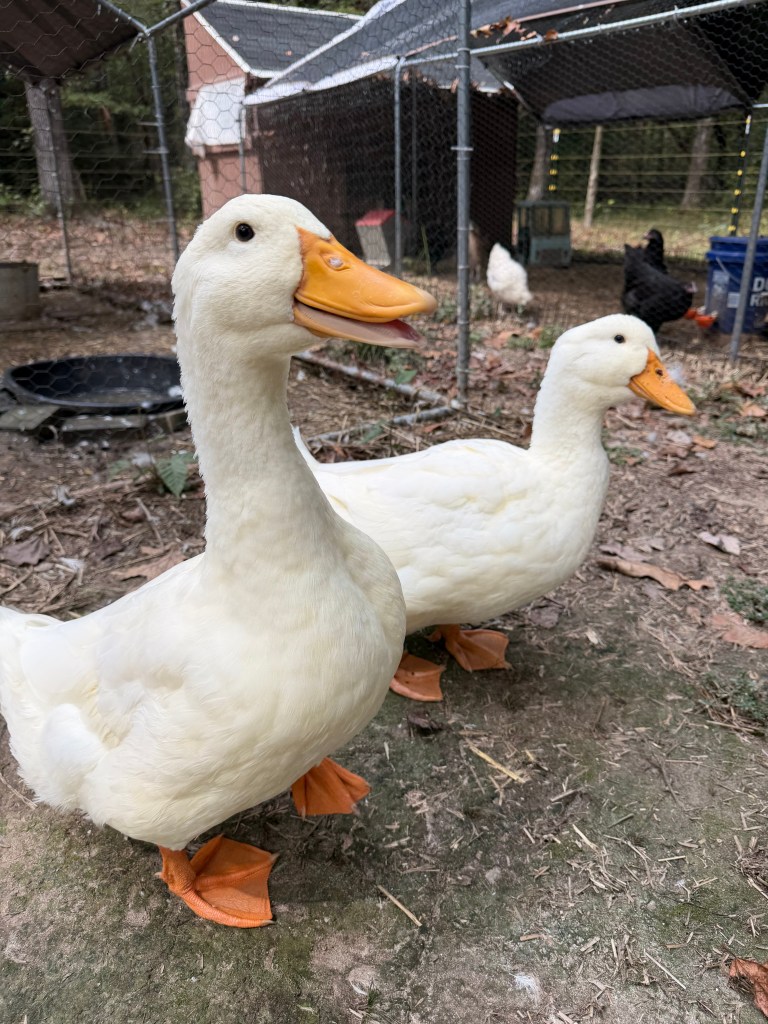
Some additions will bring immense joy and productivity. Others may not align with your land, time, or resources. Ducks, for example, are wonderful animals—but without a pond, they require significant water management and winter care.
Before adding any animal, ask:
- Do I have the infrastructure?
- Do I have the time?
- Does this fit our long-term vision?
It is okay to pivot. It is okay to admit something is more work than anticipated.
Honesty is part of growth.
Community Matters More Than You Think
In the beginning, I thought I needed to figure everything out on my own. What I learned is that homesteading thrives in community.
Local extension offices. Beekeeping clubs. Fellow gardeners. Online communities that prioritize education over aesthetics.
Seek out reputable, research-based guidance. The National Sustainable Agriculture Information Service (ATTRA)offers practical publications for small-scale producers: https://attra.ncat.org
The best lessons often come from those who have already made the mistakes you are about to make.
Perfection Is Not the Goal
This may be the most important advice of all.
Your first coop will not be flawless. Your first batch of seedlings may be leggy. Your first harvest may be smaller than expected.
And that is okay.
Homesteading is not about creating a picture-perfect life. It is about building a meaningful one. It is about learning to rely on your own hands. It is about resilience, adaptability, and stewardship.
It is about standing in your garden at the end of a long day and knowing you are building something real.
Final Thoughts: Begin Where You Are
If I could speak to the version of myself who was just beginning, I would say:
Start small. Prepare thoroughly. Learn constantly. Budget wisely. Build community. Give yourself grace.
Homesteading is not something you “arrive at.” It is something you grow into.
And if you are just starting, know this: you do not need to have it all figured out. You only need the willingness to begin.


Leave a Reply