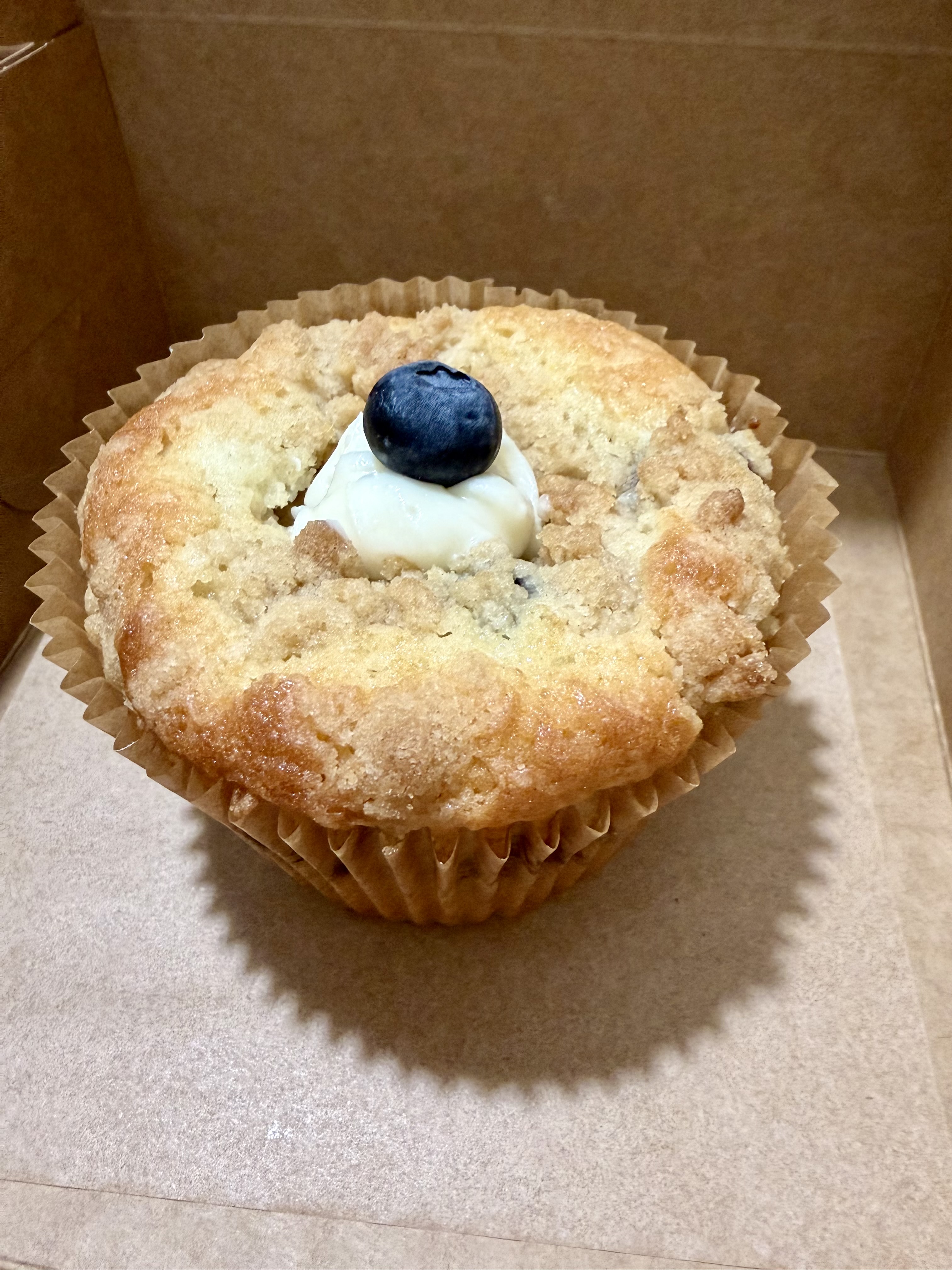
When I first started baking for our farmstand, flour felt like the simplest ingredient in the bowl. Scoop it, level it, move on.
But after a few batches of muffins that didn’t rise quite right—and a loaf of bread that could have doubled as a doorstop—I realized something important:
Flour isn’t just an ingredient. It’s the foundation.
Understanding the science behind flour—especially gluten, protein content, and structure—completely changed the way I bake. And once you understand it, your results become more consistent, more predictable, and a whole lot more enjoyable.
What Is Gluten, Really?
Let’s start with the heart of flour science: gluten.
Gluten is a protein that forms when two naturally occurring proteins in wheat—glutenin and gliadin—are mixed with water and agitated (through mixing or kneading).
When this happens, those proteins link together and form a stretchy, elastic network.
👉 If you’ve ever stretched pizza dough or kneaded bread and felt that elasticity—that’s gluten at work.
What Gluten Does in Baking
- Gives dough structure and strength
- Traps gas bubbles (from yeast or leavening agents)
- Allows baked goods to rise and hold their shape
Without gluten, baked goods would be dense, crumbly, and flat.
For a deeper scientific breakdown, the King Arthur Baking Company offers an excellent explanation of how gluten develops and impacts texture.
Why Protein Content in Flour Matters
Here’s where things get interesting—and where a lot of baking success (or failure) comes into play.
Different flours contain different levels of protein. And since gluten forms from protein, more protein = more gluten potential.
Common Flour Types and Protein Levels
- Bread Flour → High protein (12–14%)
- All-Purpose Flour → Moderate protein (10–12%)
- Cake Flour → Low protein (7–9%)
What This Means for Your Baking
- High protein flour (bread flour)
→ Strong gluten development
→ Chewy, structured texture (perfect for bread) - Moderate protein (all-purpose flour)
→ Balanced structure
→ Versatile for most recipes - Low protein (cake flour)
→ Minimal gluten
→ Soft, tender crumb (ideal for cakes)
Bread Flour vs. All-Purpose Flour: Why It Matters
This is one of those small choices that makes a big difference.
Bread Flour
- Higher protein content
- Creates more gluten
- Results in a chewier, more elastic texture
Perfect for:
- Artisan loaves
- Sandwich bread
- Pizza dough
All-Purpose Flour
- Moderate protein
- More flexible
- Produces a softer, more tender result
Perfect for:
- Muffins
- Cookies
- Quick breads
Real-Life Farmstand Example
If I use bread flour in muffins, they can turn out:
- Too dense
- Slightly tough
If I use all-purpose flour for bread, I might get:
- Less structure
- A softer, less chewy loaf
Neither is “wrong”—but understanding the difference helps you choose intentionally.
How Overmixing Affects Texture
This was one of my biggest “aha” moments in baking.
When you mix flour with liquid, gluten starts forming. The more you mix, the more gluten develops.
What Happens When You Overmix
- Too much gluten development
- Tough, dense texture
- Less tender crumb
Where This Matters Most
- Muffins and quick breads → Should be mixed gently
- Cookies → Overmixing can make them tough
- Cakes → Can become dense instead of light
The Muffin Rule I Live By Now
Mix until just combined—even if the batter looks a little lumpy.
Those lumps? They’re your friend.
When You Do Want More Mixing
Not all mixing is bad.
For yeast breads, kneading is essential because it:
- Develops gluten intentionally
- Builds structure
- Creates that chewy, airy texture
The key is knowing the goal:
- Tender baked goods → Less mixing
- Structured bread → More mixing (kneading)
Why This Matters in Your Kitchen
Once I understood flour, baking became less of a guessing game.
Instead of wondering why something didn’t turn out right, I could ask:
- Did I use the right flour?
- Did I overmix?
- Did I develop too much (or too little) gluten?
And suddenly, baking felt less frustrating—and more like a skill I could actually improve.
Bringing It Back to the Homestead
On the homestead, baking is about more than just recipes—it’s about intention.
It’s using what you have, learning as you go, and improving with each batch.
And flour? It’s at the center of it all.
Whether you’re baking:
- Early morning muffins for your farmstand
- A loaf of bread for your family
- Or experimenting with a new recipe just because
Understanding gluten, protein, and structure gives you the confidence to do it well.
Final Thoughts: Flour Is the Foundation
Flour may seem simple—but it carries the entire structure of your baked goods.
Once you understand:
- What gluten is
- How protein impacts texture
- And how mixing changes everything
You’re no longer just following recipes.
You’re baking with purpose.

Leave a Reply