
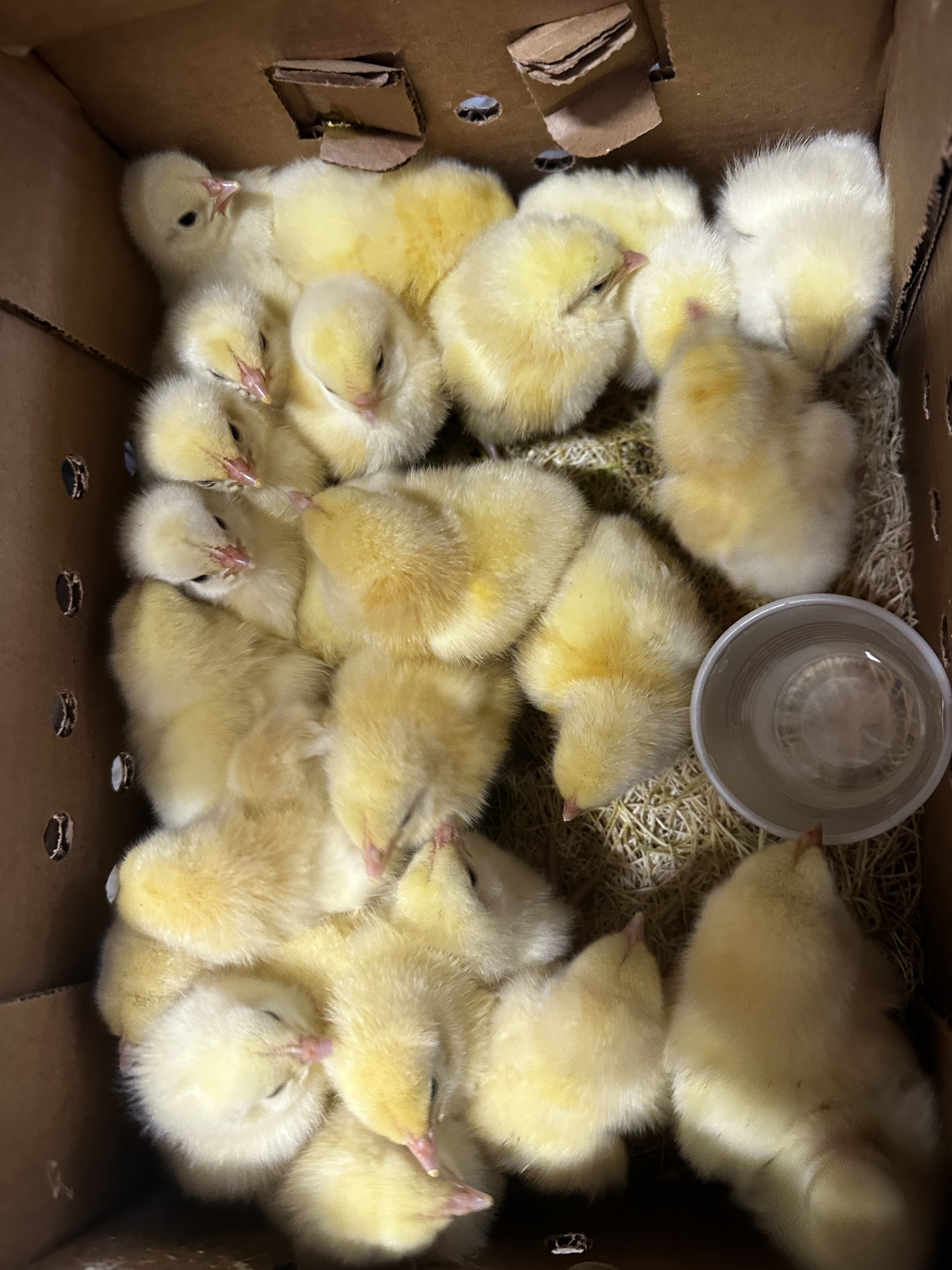
Raising meat birds was never something we stepped into lightly. At J & J Homestead, every addition to the farm comes with purpose—whether it’s eggs for the farmstand, honey from our hives, or vegetables from the garden. But bringing in Cornish Cross chickens was different. It wasn’t just about adding another element to the homestead. It was about stepping into a responsibility that is both deeply practical and, at times, unexpectedly emotional.
If you’re considering raising Cornish Cross chicks, I want to share something honestly—something I wish I had fully understood going in:
This is not like raising laying hens. And it will challenge you in ways you may not expect.
What Makes Cornish Cross Chickens So Different?
Cornish Cross chickens are bred specifically for rapid growth and efficient meat production. They are the backbone of the modern poultry industry—and for good reason. In just 6–8 weeks, these birds can reach processing weight. That kind of efficiency is unmatched.
But that speed comes with trade-offs.
Unlike our laying hens, who scratch, forage, and live long, productive lives, Cornish Cross birds live fast. Their bodies grow at a pace that can outstrip their ability to support themselves. It’s not uncommon to watch a chick double in size in what feels like days.
At first, it’s impressive.
Then it becomes something else.
The Reality of Sudden Death in Cornish Cross Chicks
One of the hardest lessons we’ve had to learn is that sudden death in Cornish Cross chickens is not rare.
It can happen without warning.
One moment, a chick is eating, drinking, and moving normally. The next, it’s gone.
This condition is often referred to as “flip-over disease” or sudden death syndrome. While the exact cause isn’t always clear, it’s widely believed to be linked to:
- Rapid growth putting strain on the heart
- Metabolic imbalances
- High-energy diets
- Limited movement compared to slower-growing breeds
And here’s the part that stays with you:
It doesn’t always matter how well you’re caring for them.
You can have clean bedding, fresh water, balanced feed, appropriate temperatures—and still experience loss.
The Emotional Side No One Talks About
When we first started raising Cornish Cross chicks, I thought I was prepared. We understood the purpose. We respected the process.
But nothing quite prepares you for walking into the brooder and finding a chick that didn’t make it through the night.
There’s a quiet moment that follows.
You replay everything in your mind:
Did I miss something?
Was the brooder too warm? Too cold?
Did they eat too much? Too little?
This is where raising meat birds shifts from being purely practical to deeply personal.
Because even though they are raised for food, they are still animals in your care. And that responsibility carries weight.
Lessons We’re Learning Along the Way
Over time, we’ve started to adjust—not just our setup, but our mindset.
We’ve learned that management matters, even if it doesn’t eliminate every risk.
Limiting feed intake, especially in the early weeks, can help slow growth just enough to reduce stress on their bodies. Encouraging movement—whether through space, feeder placement, or simple environmental changes—makes a difference.
We pay closer attention now. Not in a panicked way, but in a more intentional one. Watching for signs of lethargy. Noticing which birds are struggling to keep up.
And maybe most importantly, we’ve learned to accept something that’s hard to say out loud:
Loss is part of raising Cornish Cross chickens.
That doesn’t mean it’s easy. And it doesn’t mean it should be ignored. But it does mean that success isn’t measured by perfection—it’s measured by care, effort, and doing the best we can with the knowledge we have.
Why We Still Choose to Raise Cornish Cross Chickens
With all of these challenges, you might wonder why anyone would choose this breed.
For us, the answer comes back to sustainability and purpose.
Raising our own meat birds means we know exactly how they were cared for. It means we can provide food for our family in a way that aligns with our values. It connects us more deeply to the reality of where our food comes from.
And despite the hard days, there is something incredibly grounding about that.

A Final Thought for Anyone Starting This Journey
If you’re thinking about raising Cornish Cross chicks, go into it informed—but also go into it with grace for yourself.
You will learn things you can’t learn from a book or a blog post.
You will make adjustments.
And yes, you may experience loss.
But you will also gain a deeper understanding of animal husbandry, food systems, and your own resilience.
At the end of the day, this journey isn’t just about raising chickens.
It’s about learning how to care—fully, honestly, and with intention—even when it’s hard.




Leave a Reply