
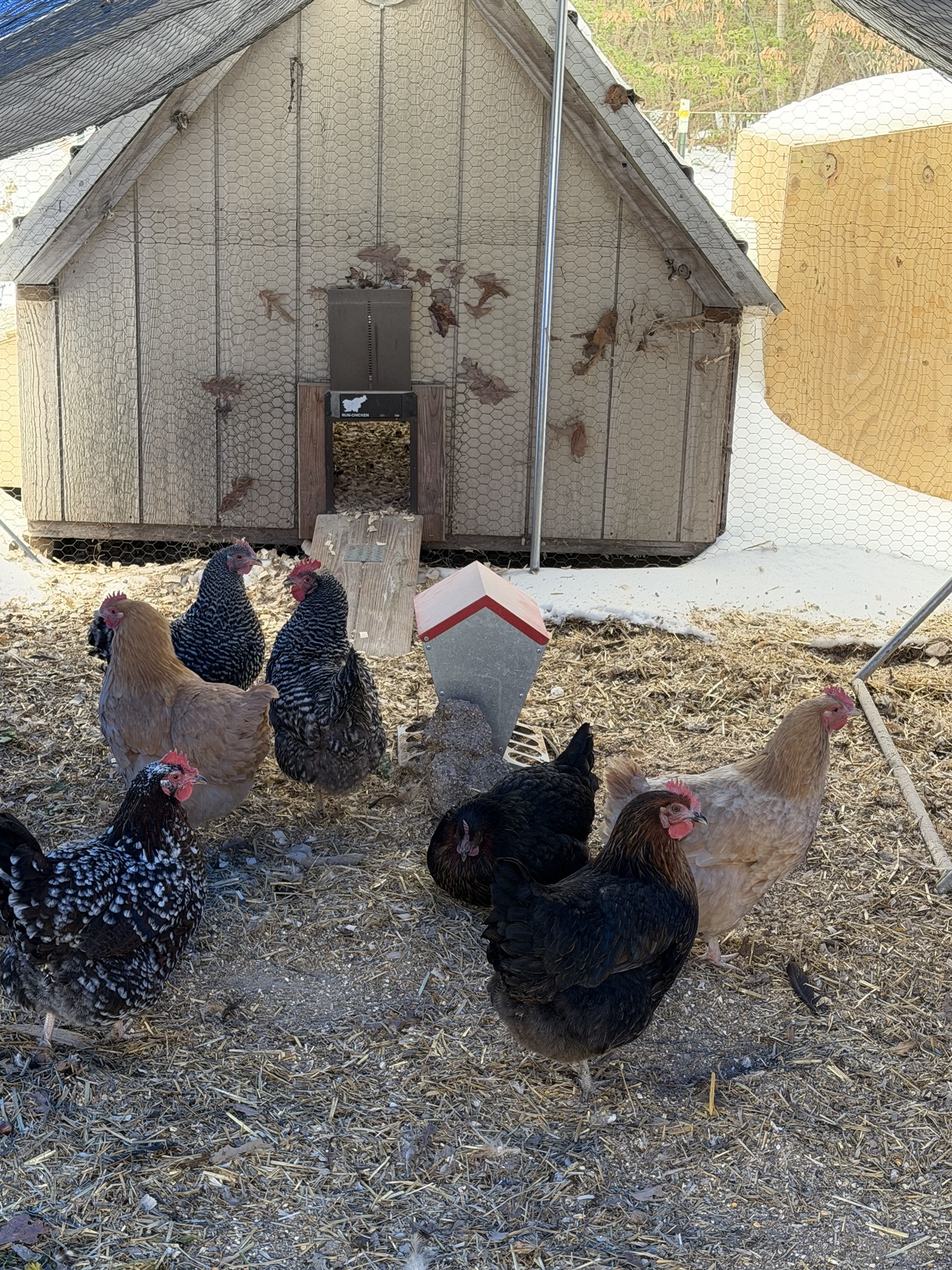
If there is one thing we have learned on our homesteading journey at J & J Homestead, it is that choosing the right chickens can completely shape the direction of your flock. When we first started raising chickens, our goal was simple: produce food for our family while building a more sustainable lifestyle. Like many new homesteaders, we quickly discovered the value of dual-purpose chickens.
Dual-purpose chicken breeds are one of the best choices for beginner homesteaders, small farms, backyard chicken keepers, and sustainable living enthusiasts because they provide both eggs and meat production in a single bird. Instead of maintaining separate flocks for egg laying and meat birds, dual-purpose chickens help maximize efficiency, reduce costs, and simplify flock management.
For homesteaders looking to build food security, reduce dependency on grocery stores, and create a more self-sufficient lifestyle, dual-purpose chickens are often the perfect solution.
What Are Dual-Purpose Chickens?
Dual-purpose chickens are breeds specifically valued for their ability to produce a steady supply of eggs while also growing large enough for meat production. Unlike specialized commercial laying hens or fast-growing meat birds like Cornish Cross chickens, dual-purpose breeds offer balance rather than extreme specialization.
These chickens are commonly used on small farms, backyard homesteads, and sustainable poultry operations because they support multiple needs from the same flock.
In practical terms, this means:
- Hens provide eggs for the household or farmstand
- Roosters can be processed for meat
- Older hens can later be used for stewing hens or broth birds
- The flock contributes to long-term sustainability
For many homesteaders, dual-purpose chickens represent the traditional style of poultry keeping that existed long before modern industrial farming separated birds into highly specialized production categories.
Why Dual-Purpose Chickens Matter in Sustainable Farming

One of the biggest reasons dual-purpose chickens continue to grow in popularity is their role in sustainable agriculture and backyard food production.
Modern grocery supply chains can be unpredictable. Prices fluctuate constantly, egg shortages happen, and meat costs continue rising. Raising dual-purpose chickens gives families more control over their food source while helping reduce dependence on commercial systems.
Dual-purpose breeds are also well-suited for:
- Backyard chicken keeping
- Small-scale homesteading
- Regenerative farming practices
- Pasture-raised poultry systems
- Farm-to-table lifestyles
- Self-sufficiency goals
Because many dual-purpose breeds are hardy, adaptable, and naturally good foragers, they fit beautifully into smaller sustainable farming operations.
Popular Dual-Purpose Chicken Breeds
There are many excellent dual-purpose chicken breeds available today, and each comes with unique strengths and personalities.
Rhode Island Red
The Rhode Island Red is one of the most popular dual-purpose chickens for beginners. These birds are hardy, dependable layers and excellent for cold climates.
Characteristics:
- Produces approximately 250–300 brown eggs annually
- Excellent meat size
- Hardy and adaptable
- Good for free-ranging
- Friendly but confident personality
Plymouth Rock (Barred Rock)
Barred Rocks are beloved for their calm temperament and reliable production.
Characteristics:
- Produces around 200–280 eggs yearly
- Large body size for meat production
- Excellent backyard flock temperament
- Cold hardy
- Easy for beginners
Orpington
Orpington chickens, especially Buff Orpingtons, are known for their gentle nature and fluffy appearance.
Characteristics:
- Produces 175–250 eggs annually
- Excellent table bird
- Friendly and family-oriented
- Broody tendencies make them useful for hatching chicks
- Great cold-weather breed
Australorp
Australorps are famous for excellent egg production while still maintaining good meat quality.
Characteristics:
- Produces 250–300 eggs annually
- Calm temperament
- Efficient feed conversion
- Heat and cold tolerant
- Great all-around homestead chicken
Wyandotte
Wyandottes are beautiful, hardy birds that perform well in many climates.
Characteristics:
- Produces 180–260 eggs annually
- Heavy-bodied meat bird
- Rose comb helps prevent frostbite
- Good winter layers
- Attractive feather patterns
Sussex
Sussex chickens are underrated gems in the dual-purpose world.
Characteristics:
- Reliable egg layers
- Excellent meat quality
- Curious and friendly
- Strong foraging instincts
- Adaptable to free-range systems
Benefits of Raising Dual-Purpose Chickens
A Reliable Source of Eggs and Meat
One of the greatest advantages of dual-purpose poultry breeds is the ability to produce two valuable food sources from the same flock.
Fresh eggs from backyard chickens are often richer in flavor and nutrition compared to store-bought eggs, especially when birds have access to pasture, insects, greens, and supplemental nutrition.
Chicken meat raised on small homesteads is also often:
- Leaner
- More flavorful
- Free from unnecessary additives
- Raised in more humane conditions
For many families, dual-purpose chickens become an important part of building a healthier food system at home.
Cost-Effective Poultry Farming
Raising separate flocks for meat and egg production can become expensive quickly. Specialized meat birds consume large amounts of feed in a short time, while commercial layers eventually stop producing efficiently.
Dual-purpose breeds offer a middle-ground approach that helps stretch feed costs and maximize long-term value.
This makes them ideal for:
- Budget-conscious homesteaders
- Beginner chicken keepers
- Small backyard flocks
- Farmstands selling eggs and poultry products
Over time, producing both eggs and meat from the same flock can significantly reduce grocery expenses.

Increased Backyard Sustainability
Homesteading is often about more than simply growing food. It is about creating systems that work together.
Dual-purpose chickens contribute to backyard sustainability by:
- Producing manure for gardens
- Controlling insects naturally
- Helping compost kitchen scraps
- Reducing food waste
- Supporting local food production
Many dual-purpose breeds are also excellent foragers, meaning they can offset feed costs by finding bugs, seeds, and greens throughout the yard or pasture.
Challenges of Raising Dual-Purpose Chickens
While dual-purpose breeds offer many benefits, they are not without challenges.
Space Requirements and Housing Needs
Dual-purpose chickens are generally larger birds than lightweight laying breeds, which means they require more coop space and larger nesting areas.
Overcrowding can lead to:
- Feather picking
- Stress
- Reduced egg production
- Increased disease risk
- Aggression within the flock
A good rule of thumb is:
- At least 4 square feet per bird inside the coop
- 8–10 square feet per bird in the run
- Additional space for free-ranging if possible
Ventilation is also incredibly important, especially in humid climates like Virginia.
Health Considerations in Dual-Purpose Chickens
Like all poultry, dual-purpose chickens can face health challenges.
Common concerns include:
- Respiratory illness
- Parasites
- Bumblefoot
- Egg-binding
- Obesity from overfeeding
- Heat stress in summer
Because these birds are heavier-bodied, some breeds can also develop leg and joint problems if they gain excessive weight.
Regular flock observation becomes one of the most important habits a chicken keeper can develop. Catching illness early often makes a major difference in treatment outcomes.
Balancing Egg Production and Meat Production
One challenge many homesteaders encounter is balancing expectations.
Dual-purpose breeds will never produce eggs at the same level as commercial hybrid layers, and they will not grow as rapidly as specialized meat birds. Instead, they offer moderate production in both categories.
This means success often depends on setting realistic goals.
If your primary focus is:
- Maximum egg production → consider dedicated laying breeds
- Fast meat harvests → consider meat birds
- Balanced sustainability → dual-purpose chickens are ideal
For many homesteaders, the balance is exactly what makes these birds so valuable.
Tips for Successful Dual-Purpose Chicken Farming
Feed for Balanced Growth and Egg Production
Nutrition plays a massive role in the health and productivity of dual-purpose chickens.
A quality feeding program should include:
- Balanced poultry feed appropriate for age
- Supplemental calcium for laying hens
- Protein support during molting
- Fresh greens and forage opportunities
- Clean water at all times
Many homesteaders also supplement with kitchen scraps, garden leftovers, herbs, and fermented feed to support flock health naturally.
Build a Functional Coop and Run
Your chicken coop setup can dramatically affect flock success.
A strong coop should provide:
- Proper ventilation
- Predator protection
- Dry bedding
- Comfortable roosting bars
- Easy-to-clean nesting boxes
Heavy dual-purpose birds especially benefit from lower roost heights to reduce leg injuries.
Outdoor runs should also include:
- Shade
- Dust bathing areas
- Enrichment opportunities
- Predator-proof fencing
Keep Records and Perform Health Checks
One of the best things we ever started doing on the homestead was tracking flock information.
Keeping simple records helps monitor:
- Egg production trends
- Feed usage
- Health concerns
- Hatch dates
- Breed performance
- Processing timelines
Routine health checks can help catch issues before they become serious problems.
Watch for:
- Changes in appetite
- Reduced egg laying
- Limping
- Respiratory symptoms
- Weight loss
- Lethargy
The earlier you notice something unusual, the easier it often is to address.
Are Dual-Purpose Chickens Right for Your Homestead?
For many backyard chicken keepers and small homesteads, dual-purpose chickens offer the perfect balance between practicality and sustainability.
They may not be the fastest-growing meat birds or the highest-producing layers, but they excel in versatility, resilience, and long-term value. They fit naturally into the rhythm of homestead life by supporting food production, reducing waste, and helping families become more connected to where their food comes from.
At J & J Homestead, dual-purpose chickens played a huge role in helping us transition from simple backyard chicken keeping into a more intentional and sustainable homesteading lifestyle. Whether you are raising chickens for fresh eggs, meat production, self-sufficiency, or simply the joy of caring for a flock, dual-purpose breeds are an incredible place to start.
And honestly, there is something deeply rewarding about walking out to the coop each morning knowing your flock contributes so much to your family, your homestead, and your long-term goals.

Leave a Reply