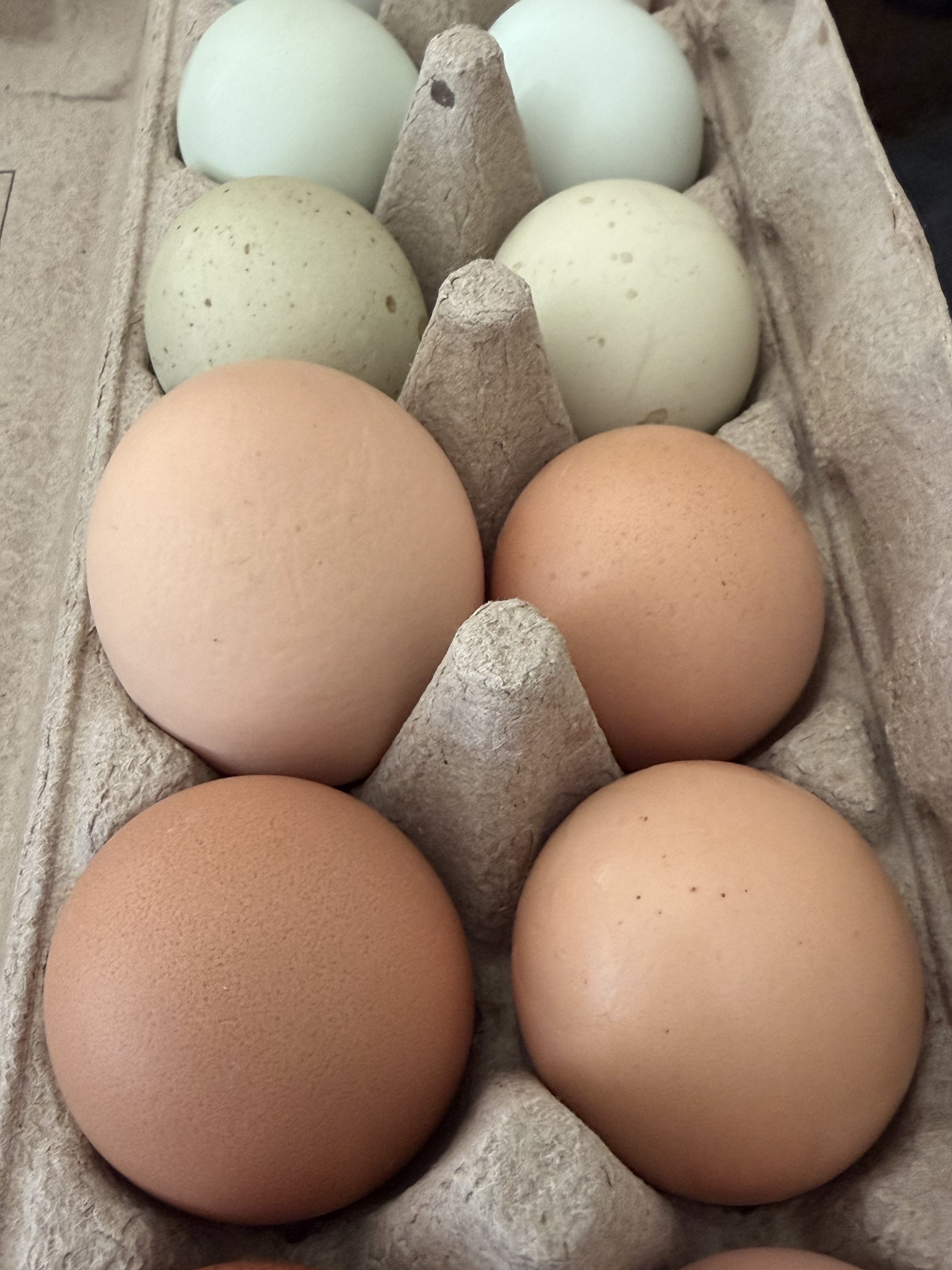
If you have noticed fewer eggs in your nesting boxes lately, you are not alone. Across Virginia and much of the country, backyard chicken keepers and homesteaders often see a sharp drop in egg production during periods of extreme summer heat. After this week’s stretch of temperatures climbing well into the mid and upper 90s here on our homestead, we have definitely seen the impact firsthand.
While it can be frustrating to collect fewer eggs during the hottest months of the year, the truth is that chickens are simply trying to survive the heat. Egg production takes an incredible amount of energy, nutrients, and hydration, and when temperatures soar, a hen’s body begins redirecting those resources toward staying cool and healthy instead.
Understanding why chickens lay fewer eggs in extreme heat can help homesteaders better care for their flock and reduce stress during summer heatwaves.

Heat Stress Has a Major Impact on Egg Production
Chickens are surprisingly sensitive to high temperatures. Although they are hardy animals in many ways, they do not tolerate prolonged heat particularly well because they cannot sweat like humans do. Instead, chickens cool themselves through panting, spreading their wings, reducing movement, and seeking shade.
Once temperatures rise above roughly 85°F, many hens begin experiencing heat stress. When temperatures push into the 90s or higher, especially with humidity, the stress on their bodies becomes much more severe.
During periods of extreme heat, chickens naturally reduce their activity levels and food intake. Since laying eggs requires a tremendous amount of protein, calcium, energy, and water, hens will often temporarily stop or reduce egg production to conserve resources. Their bodies prioritize survival over reproduction.
For many backyard flocks, this means fewer eggs, smaller eggs, thinner shells, or even complete pauses in laying during severe heatwaves.
Chickens Eat Less During Hot Weather
One of the biggest reasons egg production drops during heatwaves is because chickens simply eat less feed.
Digesting food generates body heat. In hot weather, hens instinctively reduce feed consumption to help keep their internal body temperature lower. Unfortunately, this also means they consume fewer nutrients needed for egg production.
Without enough protein, calcium, and energy intake, hens cannot maintain normal laying rates.
This is why many homesteaders notice that their flock seems far more interested in cool treats like watermelon, cucumbers, frozen peas, or chilled fruit during the summer months than their regular feed.
While treats can help hydrate and cool chickens, it is still important to ensure hens continue receiving a balanced layer feed whenever possible.
Dehydration Quickly Affects Laying Hens
Water is absolutely critical for egg production. In fact, eggs are made up of a significant amount of water. Even mild dehydration can drastically reduce laying performance.
During extreme heat, chickens drink substantially more water than usual. If hens cannot stay adequately hydrated, their bodies begin shutting down nonessential functions, including egg laying.
A dehydrated hen may stop laying altogether until temperatures cool and hydration levels return to normal.
This is why keeping multiple sources of cool, clean water available during heatwaves is one of the most important things a chicken keeper can do. Here on our homestead, we have been refreshing water constantly, adding electrolyte ice cubes, and ensuring shaded water stations are available throughout the day.
Heat Can Affect Egg Quality Too
Extreme heat does not just reduce the number of eggs chickens lay. It can also affect the quality of the eggs themselves.
During heat stress, hens may produce:
- Thin or soft shells
- Smaller eggs
- Misshapen eggs
- Pale yolks
- Fragile shells that crack easily
This happens because heat stress interferes with calcium metabolism and nutrient absorption. Since chickens are already eating less, their bodies may not have enough resources to produce strong, high-quality eggs consistently.
Some Breeds Handle Heat Better Than Others
Not all chickens respond to heat the same way. Certain breeds are naturally better adapted for hot climates and continue laying more consistently during summer weather.
Mediterranean breeds like Leghorns often tolerate heat better because of their lighter body size and large combs, which help dissipate heat more effectively. Heavier breeds, fluffy breeds, and meat birds tend to struggle far more in high temperatures.
On our homestead, the Cornish Cross chickens have required especially close monitoring during this heatwave. Their rapid growth and larger body size place significant stress on their systems even under normal conditions, and extreme temperatures only increase that risk.
Helping Chickens Stay Comfortable During Heatwaves
Although some reduction in egg production during extreme heat is completely normal, there are many ways homesteaders can help support their flock during the hottest parts of summer.
Providing ample shade is essential. Trees, tarps, shade cloths, and well-ventilated coops can make a tremendous difference in keeping chickens cooler.
Fresh water should always be available and checked multiple times a day. Many chicken keepers also add electrolytes during severe heat events to support hydration and recovery.
Cool treats can help encourage hydration while lowering body temperature. Frozen peas, watermelon, cucumbers, lettuce, and chilled fruits are all popular summer flock favorites.
Good airflow is also important. Fans, open ventilation, and avoiding overcrowding can help reduce dangerous heat buildup inside coops and runs.
Some homesteaders even use misters or shallow wading pans during especially dangerous heatwaves to help birds cool off safely.
Egg Production Usually Returns Once Temperatures Drop
The good news is that heat-related drops in egg production are usually temporary. Once temperatures cool and hens begin eating and drinking normally again, most healthy chickens gradually return to their regular laying patterns.
After this week’s intense Virginia heatwave, we are looking forward to cooler temperatures and rain finally moving into the forecast. Our flock has certainly earned a break from the heat, and hopefully their egg production will rebound soon as well.
Summer heat can be tough on both chickens and homesteaders, but with proper care, hydration, shade, and patience, most flocks recover well once the weather becomes more manageable again.
For now, if your egg basket feels a little lighter than usual, your hens are probably just doing their best to stay cool.

Leave a Reply