
As we get closer to October, we’re finally starting to notice a change in the air here at J & J Homestead.
The mornings are a little cooler. The days are getting shorter. And while we certainly aren’t dealing with winter temperatures yet, this is usually the point when I start looking around the homestead and thinking:
Are we ready for winter?
That includes the garden, the bees, the equipment—and, of course, the chickens and turkeys.
Preparing our poultry coops for winter isn’t about turning them into heated little houses. In fact, chickens are remarkably good at handling cold temperatures. They’re basically tiny feather-covered furnaces!
What matters much more is keeping them dry, protected from drafts, well-fed, and sheltered from harsh winter wind.
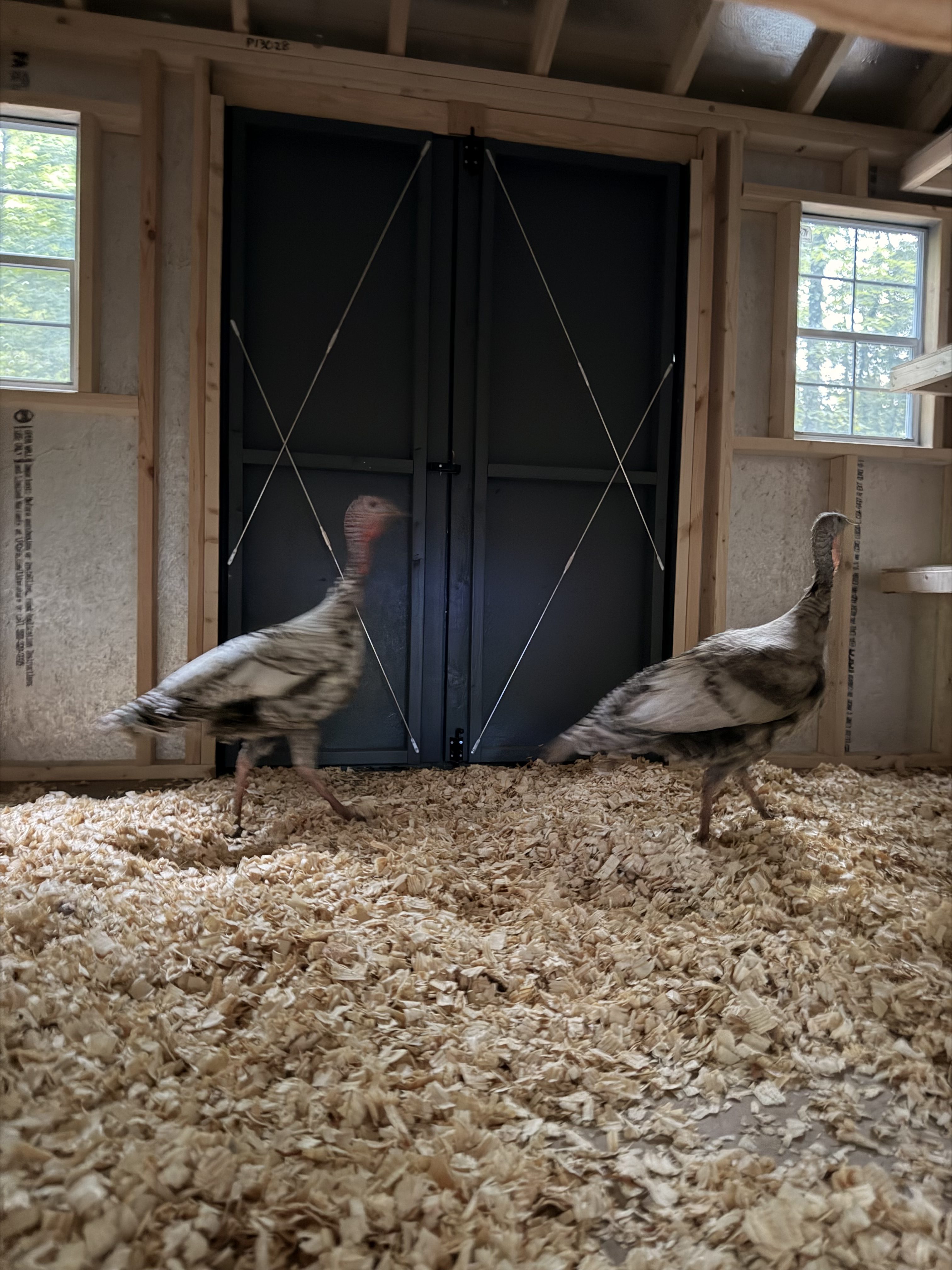
And this year brings something new for us: our first winter with turkeys.
Fortunately, I’m feeling pretty confident about the coop and shelter we have for them. But that doesn’t mean we won’t be doing some fall preparation there, too.
Here’s what we’ll be working on over the next several weeks.
Chickens Handle Cold Better Than We Think
One of the biggest lessons I’ve learned from keeping chickens is that we sometimes worry about the cold more than they do.
Healthy, fully feathered adult chickens can tolerate surprisingly cold temperatures. Their feathers trap warm air close to their bodies, providing natural insulation. At night, they roost together and generate additional body heat.
In other words, chickens really are little furnaces.
That doesn’t mean they’re invincible. Extreme cold can certainly become dangerous, particularly when combined with wind or moisture. Combs, wattles, and toes can also be vulnerable to frostbite.
But for most winter weather, the goal isn’t necessarily to make the coop warm.
The goal is to keep it dry and protected.
That distinction is important.
1. Start With a Thorough Fall Coop Inspection
Before truly cold weather arrives, we like to take a good look at each coop.
Fall is the perfect time to check for:
- Holes, cracks, or damaged siding
- Leaks in the roof
- Loose doors or windows
- Areas where wind can blow directly onto the roost
- Weak hardware or latches
- Predator entry points
- Damp areas inside the coop
- Damaged or unstable roosting bars
Something that seems insignificant during a warm September afternoon can become a much bigger problem during a cold, windy January night.
This is also a good opportunity to make repairs while the weather is still pleasant enough to work outside!
2. Eliminate Drafts—but Don’t Eliminate Ventilation
This is probably one of the most important distinctions when preparing a chicken coop for winter.
Draft-free does not mean airtight.
We don’t want cold winter wind blowing directly across the chickens while they’re sleeping. However, we absolutely still want ventilation.
Chickens produce moisture simply by breathing. Add droppings and bedding moisture, and humidity can build surprisingly quickly inside a closed coop.
That moisture is one of the things we really want to avoid during freezing weather.
Ideally, a winter coop has ventilation above the birds’ heads while preventing wind from blowing directly across the roosting area.
If you walk into the coop and it feels damp, smells strongly of ammonia, or you see condensation forming, that’s a sign that more ventilation may be needed.
The goal is simple:
Dry air without a direct draft on the birds.
3. Add Plenty of Bedding
Another part of our fall preparation is making sure the coops have plenty of clean, dry bedding.
During the colder months, we like having a nice layer of bedding on the coop floor.
Depending on your setup, materials might include pine shavings, chopped straw, hemp bedding, or another poultry-safe absorbent material.
The important word here is dry.
Wet bedding isn’t insulating, and excessive moisture inside a winter coop can contribute to respiratory problems, ammonia buildup, and frostbite risk.
4. Consider the Deep Bedding Method
Winter is also a great time to use a deep bedding system.
Instead of completely stripping the coop every few days, you gradually build a deeper layer of bedding while managing the surface and adding fresh material as necessary.
The bedding helps insulate the floor and makes winter coop management easier.
However, deep bedding shouldn’t become an excuse to ignore a dirty coop.
We still monitor it closely.
If the bedding becomes wet, develops a strong ammonia smell, or gets heavily soiled, something needs to change. Fresh bedding can be added, wet areas removed, and ventilation adjusted.
A good deep bedding system should remain relatively dry and manageable—not become a soggy pile of manure.
5. Check the Roosting Bars
Roosts are especially important during winter.
Chickens naturally fluff their feathers and settle down over their feet while roosting, helping protect their toes from cold temperatures.
We make sure our birds have sturdy roosting areas that allow them to sit comfortably without being directly exposed to drafts.
This is another reason why the location of ventilation matters. We want air exchange happening above the birds rather than cold air blowing directly across them all night.
6. Keep Their Water From Freezing
Water becomes one of the biggest annoyances of winter poultry keeping!
Chickens and turkeys still need constant access to clean drinking water even when temperatures drop below freezing.
Depending on your setup, options include heated poultry waterers, heated water bases rated for the type of waterer you’re using, or simply replacing frozen water several times throughout the day.
Whatever system you use, electrical equipment around poultry should be designed for that purpose and protected from bedding, pecking, and moisture.
For us, checking water becomes another regular part of the winter chore routine.
7. Make Sure They’re Eating Enough
Cold weather increases the energy demands on poultry because they’re using calories to maintain their body temperature.
That makes access to a nutritionally complete feed especially important during winter.
We always want our chickens and turkeys going into cold weather in good condition—not underweight and struggling to maintain themselves.
Treats and scratch grains can certainly be part of the routine, but they shouldn’t replace a balanced poultry feed.
Those little furnaces need fuel!
8. Think Twice Before Adding Heat
It can be incredibly tempting to put a heat lamp in the coop when you see the temperature dropping.
For most healthy, fully feathered adult chickens, supplemental heat usually isn’t necessary during ordinary winter weather if they have appropriate shelter.
And heat lamps introduce another concern: fire risk.
Dry bedding, feathers, dust, wooden structures, and a hot lamp are not a combination I take lightly.
Instead of trying to keep the entire coop warm, we focus first on the basics:
Keep them dry. Keep them out of the wind. Provide ventilation. Give them plenty of appropriate feed and unfrozen water.
If unusually severe temperatures arrive, that’s when we reassess individual birds and conditions rather than automatically heating the coop all winter.
9. Pay Extra Attention to Combs and Wattles
Cold-weather chicken care isn’t just about the thermometer.
Moisture combined with freezing temperatures can increase the risk of frostbite, particularly on large combs and wattles.
That’s another reason ventilation is so important.
Rather than trying to seal every opening and trap warmth inside, we’re trying to prevent moisture from accumulating around the birds.
During particularly cold spells, we’ll also keep a closer eye on everyone during morning chores and watch for changes in combs, wattles, feet, behavior, appetite, and activity.
Our First Winter With Turkeys
This winter is going to be a little different for J & J Homestead because it will be our first winter keeping turkeys.
We’ve learned a lot about turkeys this year—and I’m sure winter will teach us even more.
Fortunately, I’m very happy with the coop and shelter they have. It’s substantial, provides good protection from the weather, and gives them plenty of room.
Like chickens, healthy adult turkeys are generally quite cold-hardy when they’re fully feathered and acclimated to outdoor temperatures.
Our focus will be similar to what we do with the chickens: protecting them from wind and precipitation while maintaining ventilation and keeping their bedding dry.
We’ll also make sure they have appropriate roosting space, constant access to water, and plenty of their normal nutritionally balanced feed.
I’m actually really interested to see how they handle their first winter here.
Something tells me I’ll be colder than they are.
Don’t Forget Predator Protection
Winter preparation is also a great time to reevaluate predator protection.
As natural food sources become scarcer, predators may become more persistent around poultry areas.
Before winter arrives, we check fencing, hardware cloth, doors, locks, and the areas around the bottoms of our runs and coops.
For us, predator protection is especially important because our chickens and turkeys spend their time in protected runs rather than free-ranging.
Cold weather doesn’t mean predators stop looking for an easy meal.
Our Fall Chicken Coop Checklist
As October approaches, our poultry winter-preparation list looks something like this:
- Inspect roofs, walls, doors, and windows
- Repair cracks and obvious drafts around the roosting area
- Maintain adequate upper ventilation
- Add fresh, dry bedding
- Prepare the deep bedding system
- Check roosts for stability and placement
- Inspect predator-proofing
- Prepare a plan for keeping drinking water from freezing
- Stock up on feed and bedding
- Check extension cords and heated equipment, if used, for outdoor/poultry-safe operation
- Watch for excessive humidity or condensation
- Pay extra attention to older, injured, molting, or otherwise vulnerable birds
- Repeat the same inspection for the turkey coop
Most importantly, we’ll continue observing the flock.
The chickens usually tell us quite a bit about how comfortable they are.
Winter Chicken Keeping Doesn’t Have to Mean a Heated Coop
When you’re standing outside in January wearing multiple layers, gloves, and a hat, it’s easy to look at a chicken and think:
How are you possibly not freezing?!
Then you reach underneath all those feathers and realize just how much warmth they’re holding.
Chickens were designed with an incredible natural winter coat.
Our job isn’t necessarily to make winter feel like summer for them. It’s to provide the conditions that allow those natural defenses to work.
Dry bedding. Fresh air without harsh drafts. Protection from wind and precipitation. Plenty of feed. Fresh water. Safe roosting space.
Sometimes the best winter chicken care is surprisingly simple.
Getting J & J Homestead Ready for Another Season
There’s something about the arrival of October that makes the changing seasons feel real.
Soon we’ll be trading heat-wave preparations for frozen waterers, muddy boots, cold morning chores, and chickens staring at us as though we’re the ridiculous ones for complaining about the temperature.
And this year, we’ll have a flock of turkeys joining us for the experience.
We’re going into their first winter feeling confident about their shelter, but—as with everything on the homestead—we’ll watch, learn, adjust, and probably pick up a few new lessons along the way.
That’s part of what makes homesteading so interesting.
Every season brings a new list of chores.
And every season teaches us something new.




Leave a Reply