
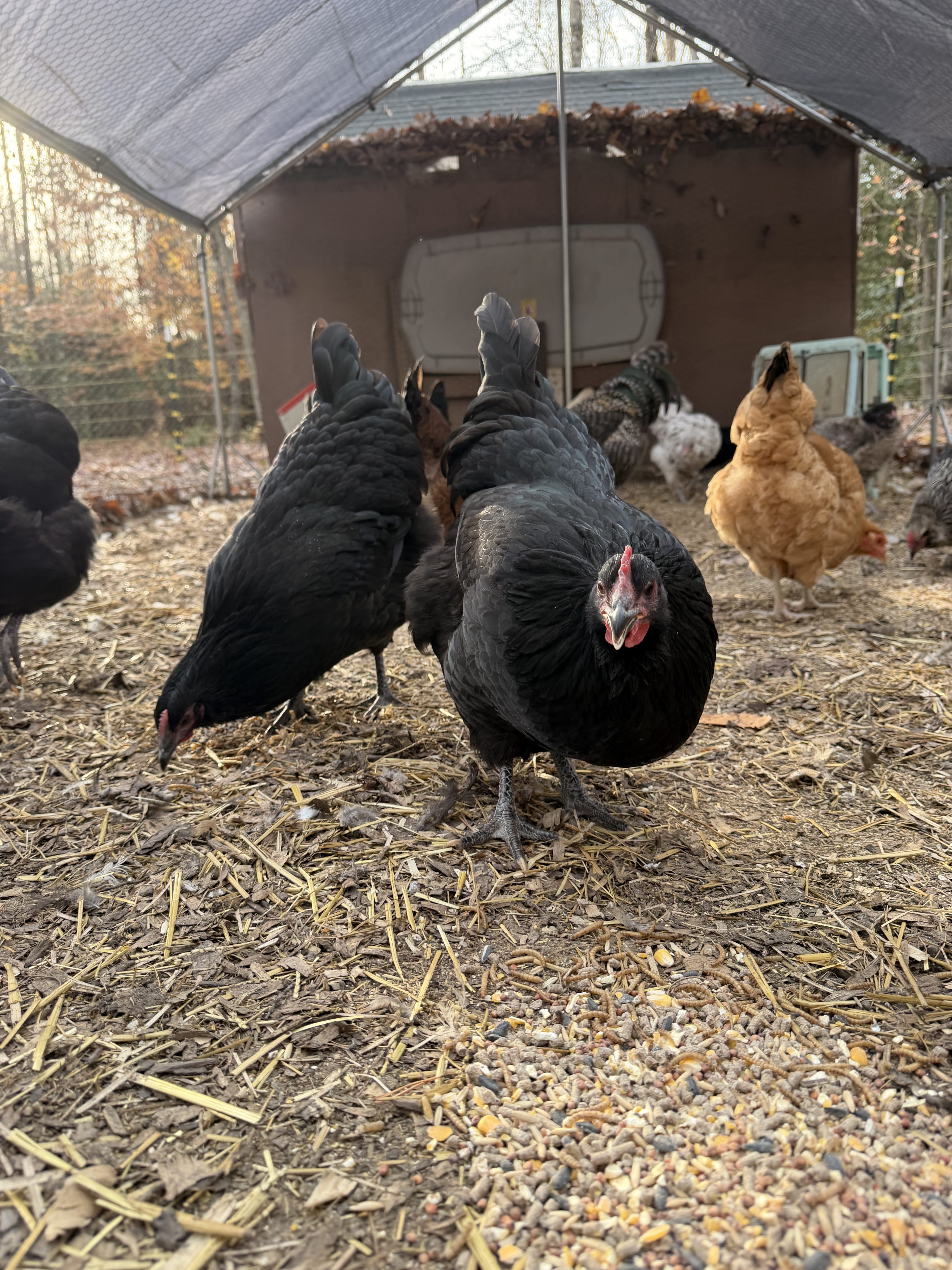
With the first heatwave this week – keeping the birds healthy is a priority
When the first real heat wave of the year rolls in and temperatures climb into the 90s, it can catch both homesteaders and their flocks off guard. Here on our Virginia homestead, those sudden swings from mild spring days to intense summer heat are all too familiar.
Chickens are far more sensitive to heat than many people realize. Unlike humans, they don’t sweat. Instead, they rely on panting and behavioral changes to regulate their body temperature. Without proper care, heat stress can quickly become dangerous—or even fatal.
If you’re facing your first heat wave of the season, here’s exactly how to keep your chickens cool, comfortable, and resilient.
Why Heat Is Dangerous for Chickens
Before jumping into solutions, it’s important to understand the risk.
Chickens begin to experience heat stress at temperatures above 85°F, and once you reach the 90s, especially with humidity, the danger increases significantly.
Heat stress can lead to:
- Dehydration
- Decreased egg production
- Weakened immune systems
- Heat stroke and death in severe cases
The goal during a heat wave is simple: reduce heat buildup and increase hydration.
Provide Plenty of Shade (More Than You Think You Need)
Shade is your first and most important line of defense.
Even if your chickens already have some shaded areas, it’s often not enough during peak afternoon heat.
What works best:
- Shade cloth or tarps over runs
- Positioning shade on the west side to block afternoon sun
- Natural shade from trees (supplemented as needed)
If you use covered runs like we do, this is where they truly shine. You can control exactly how much protection your flock gets throughout the day.
Keep Fresh, Cool Water Available at All Times
Hydration is critical during extreme heat.
Chickens will drink significantly more water in hot weather, and if that water becomes warm or runs out, they can decline quickly.
Best practices:
- Provide multiple water stations in shaded areas
- Refresh water 2–3 times daily
- Add ice cubes or frozen water bottles
- Use electrolytes during heat waves to reduce stress
Electrolytes aren’t just for chicks—they’re incredibly helpful for adult birds during extreme conditions as well.

Offer Hydrating, Cooling Treats
Hydrating treats are one of the easiest and most enjoyable ways to help your flock cool down.
Great options include:
- Watermelon
- Cucumbers
- Berries
- Lettuce and leafy greens
For an extra boost, freeze these treats into a “chicken popsicle.” Not only does it help with hydration, but it also provides enrichment without overheating your flock.
Improve Coop Ventilation and Airflow
A poorly ventilated coop can trap heat and become dangerously hot—even if the outside temperature seems manageable.
Make sure to:
- Open vents, windows, and doors (secure with hardware cloth)
- Allow for cross-ventilation
- Use a fan to move air near the coop (not directly blasting birds)
If your coop smells strongly of ammonia, that’s a sign airflow needs improvement—especially in the heat.
Use Simple Cooling Techniques That Make a Big Difference
Sometimes the simplest solutions are the most effective.
Try adding:
- Frozen gallon jugs or water bottles in the coop or run
- Shallow pans of cool water (some chickens will stand in them)
- Light misting of the ground—not the birds
- Access to loose, dry dirt for dust bathing
Dust baths are especially important—chickens naturally use them to help regulate body temperature.
Adjust Feeding Schedules During Heat Waves
Digestion generates body heat, so feeding at the wrong time can make things worse.
Instead:
- Feed early in the morning or later in the evening
- Avoid feeding during peak afternoon heat
- Expect a temporary drop in egg production
This is completely normal—your chickens are prioritizing survival over laying.
Know the Signs of Heat Stress in Chickens
Recognizing heat stress early can save your flock.
Watch for:
- Panting or open-mouth breathing
- Wings held away from the body
- Lethargy or reduced movement
- Pale combs or drooping posture
If you notice these signs:
- Move the chicken to a shaded, cooler area
- Provide cool (not ice-cold) water with electrolytes
- Gently cool their feet and comb with water
A Balanced Approach to Summer Chicken Care
On our homestead, we’ve chosen to keep our chickens in covered runs rather than free-ranging, especially because of predator pressure. During heat waves, this setup becomes even more valuable.
It allows us to:
- Control shade
- Ensure constant access to water
- Provide consistent cooling support
To make up for the lack of free-ranging, we rely on our chicken garden—offering fresh greens and enrichment while still keeping our flock safe and comfortable.
Final Thoughts: Preparing Your Flock for Summer Success
Heat waves are part of summer, but with a little preparation, your chickens can thrive even in extreme temperatures.
Focus on the basics:
- Shade
- Water
- Airflow
- Hydration
When those needs are met, your flock will stay healthy, resilient, and ready to bounce back once cooler temperatures return.





Leave a Reply