
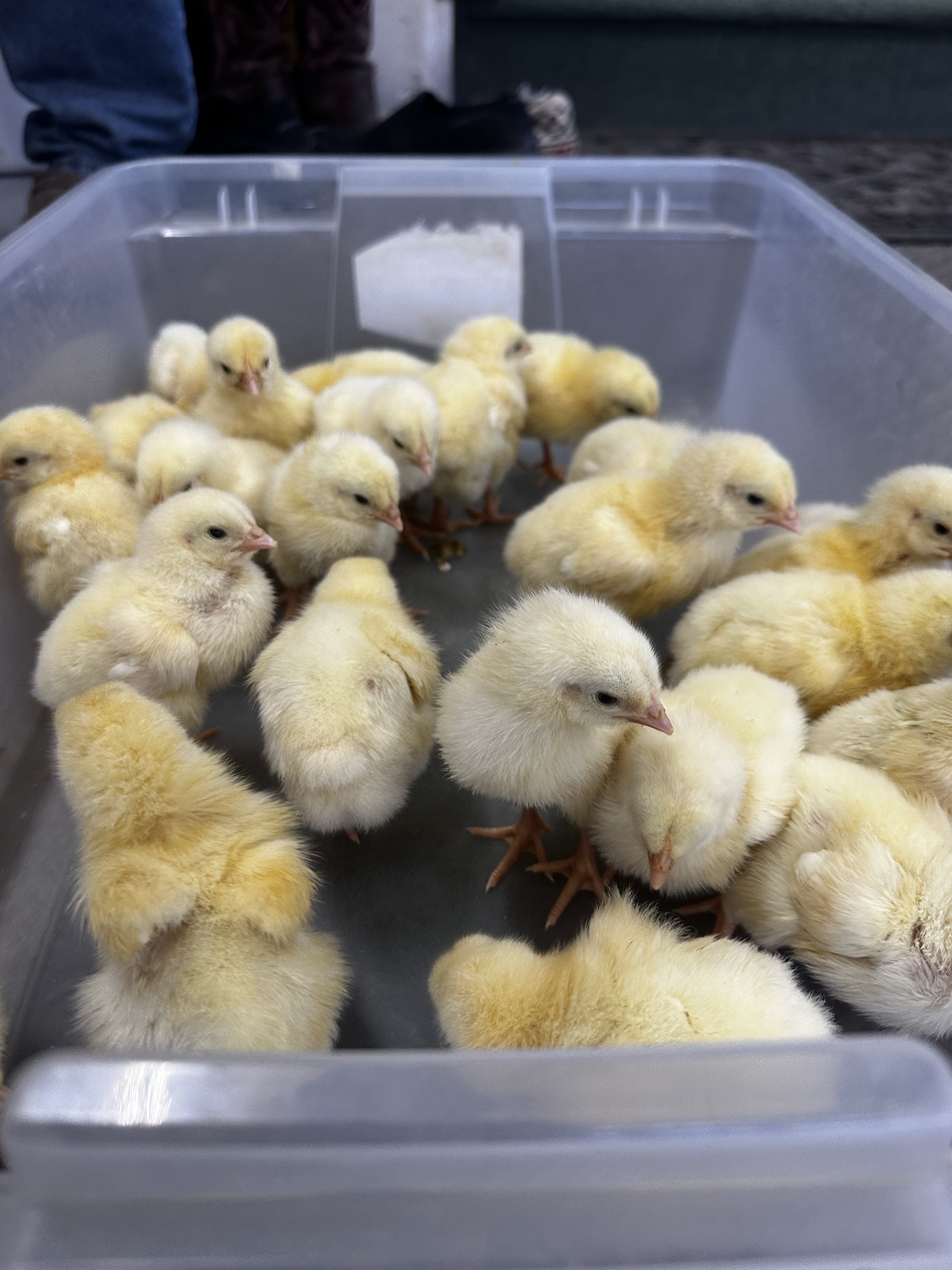
There are few things more exciting on the homestead than chick arrival day. The peeping, the fluff, the promise of a new generation—it never gets old. But as many homesteaders know, sometimes those first hours can bring unexpected challenges.
Today, after receiving our shipment of Cornish Cross chicks, we quickly noticed that one of them was showing signs of something called wry neck. We immediately stepped in with supportive care—administering vitamins (we used Poultry Cell)—and now, like so much in homesteading, we wait and watch.
If you’ve ever encountered wry neck—or want to be prepared just in case—this guide will walk you through exactly what it is, why it happens, and how to treat it effectively.
What Is Wry Neck in Chickens?
Wry neck, also known as torticollis, is a neurological condition in chickens that causes the head and neck to twist, tilt, or become uncoordinated. In severe cases, chicks may struggle to hold their head upright or even flip onto their backs.
Common Signs of Wry Neck:
- Twisted or tilted head/neck
- Difficulty standing or walking
- Walking backward or in circles
- Trouble eating or drinking
- Inability to lift or control the head
In our case, the chick showed early signs—slight loss of coordination and an inability to hold its head steady—which allowed us to act quickly.

What Causes Wry Neck?
Wry neck can be caused by several factors, but the most common in young chicks—especially newly shipped ones—is vitamin deficiency, particularly:
- Vitamin E deficiency
- Selenium deficiency
Shipping stress plays a big role here. After hatching, chicks may go without food or water for an extended period during transport, which can quickly deplete their already limited nutrient reserves.
Other potential causes include:
- Head injury or trauma
- Genetic predisposition
- Illness or infection (less common in day-old chicks)
How to Treat Wry Neck in Chicks
The good news is that early intervention can make a big difference, especially when caught quickly like we did today.
1. Administer Vitamins Immediately
We gave our chick Rooster Booster Poultry Cell, which is a nutrient-rich supplement packed with essential vitamins, including Vitamin E.
Other commonly used options include:
- Vitamin E capsules (human-grade, carefully dosed)
- Selenium supplements (in very small, appropriate amounts)
A helpful homesteading trick is to combine Vitamin E with a small amount of scrambled egg—this makes it easier for chicks to eat and adds additional nutrition.
2. Provide Supportive Care
Chicks with wry neck often struggle with basic functions, so supportive care is critical:
- Hand-feed and water if necessary
- Keep the chick warm and comfortable
- Reduce stress by separating if being trampled or pecked
- Ensure easy access to food and water
We’re keeping a close eye on our chick to make sure it’s able to rest and recover without competition from the others.
3. Be Patient and Consistent
Recovery from wry neck is not always immediate. Some chicks show improvement within a day or two, while others may take a week or more.
Consistency is key:
- Continue vitamin supplementation daily
- Monitor progress closely
- Adjust care as needed
Can Chicks Recover from Wry Neck?
Yes—many chicks do recover fully, especially when treatment begins early.
That said, outcomes can vary:
- Mild cases often resolve completely
- Moderate cases may improve significantly with care
- Severe cases may not recover
The earlier you catch it, the better the chances of success—which is why observation in those first 24–48 hours is so important.
Preventing Wry Neck in Future Flocks
While not all cases are preventable, there are steps you can take to reduce the risk:
- Add vitamins/electrolytes to water upon chick arrival
- Minimize stress during brooding
- Ensure high-quality starter feed
- Monitor chicks closely during the first few days
For us, this experience is a reminder that even with preparation, homesteading always requires flexibility and quick action.
A Real-Life Homestead Moment
Today was one of those moments that perfectly captures the rhythm of homesteading—the highs and the challenges all wrapped together.
We welcomed a new batch of Cornish Cross chicks, full of hope for the season ahead. And just as quickly, we were reminded of the responsibility that comes with that life. Spotting wry neck early, stepping in with care, and doing everything we can to give this little chick a fighting chance—that’s what this life is all about.
Now, we wait, we watch, and we hope.
Final Thoughts
Wry neck in chickens can feel alarming, especially for new chicken keepers, but it’s often manageable with quick action and proper care. Having supplies like vitamins on hand—and knowing what signs to look for—can make all the difference.
If you’re raising chicks this season, take those extra few minutes to observe them closely. Sometimes, catching something small early can change the outcome entirely.



Leave a Reply