With 90+ Degree Weather Coming this Week, We Need to be Prepared!
When you live on a homestead in Virginia, summer heat is not just uncomfortable — it can quickly become dangerous for livestock, gardens, and even the people trying to keep everything running. Every year, when the forecast starts creeping into the mid-90s with heavy humidity, we shift our entire routine on the homestead into “heatwave mode.”
Over time, we have learned that preparing for extreme heat is not something you wait to do after temperatures rise. By the time your chickens are panting, your ducks are hiding in the mud, and your garden is wilting by noon, you are already behind. Heatwaves can place enormous stress on animals, especially poultry, and proactive care makes all the difference.
As temperatures rise here in Virginia, we begin implementing a full set of strategies designed to help our chickens, ducks, turkeys, bees, and garden survive the hottest days of summer safely and comfortably.
Why Heatwaves Are So Hard on Chickens
Chickens handle cold weather far better than extreme heat. Unlike humans, chickens cannot sweat. Instead, they regulate body temperature primarily through panting and by lifting their wings away from their bodies to release heat.
The problem is that Virginia summers often combine high temperatures with intense humidity. That humidity makes it difficult for birds to cool themselves effectively, especially heavy breeds like Cornish Cross meat birds, which are already prone to overheating due to their rapid growth rates.
Heat stress in chickens can quickly escalate into serious illness or sudden death if not managed carefully. Signs of overheating include:
- Panting or open-mouth breathing
- Wings held away from the body
- Lethargy
- Pale combs and wattles
- Reduced appetite
- Reduced egg production
- Difficulty walking or balancing
Because of this, heat preparedness becomes one of the most important parts of summer homesteading.
Electrolytes Become Essential During Heatwaves

One of the first things we do when a major heatwave approaches is add electrolytes to our poultry waterers.
Electrolytes help chickens and ducks stay hydrated while replacing essential minerals lost during heat stress. During periods of extreme heat, birds drink substantially more water, and electrolytes can help support recovery, energy levels, and overall hydration.
We especially prioritize electrolytes for:
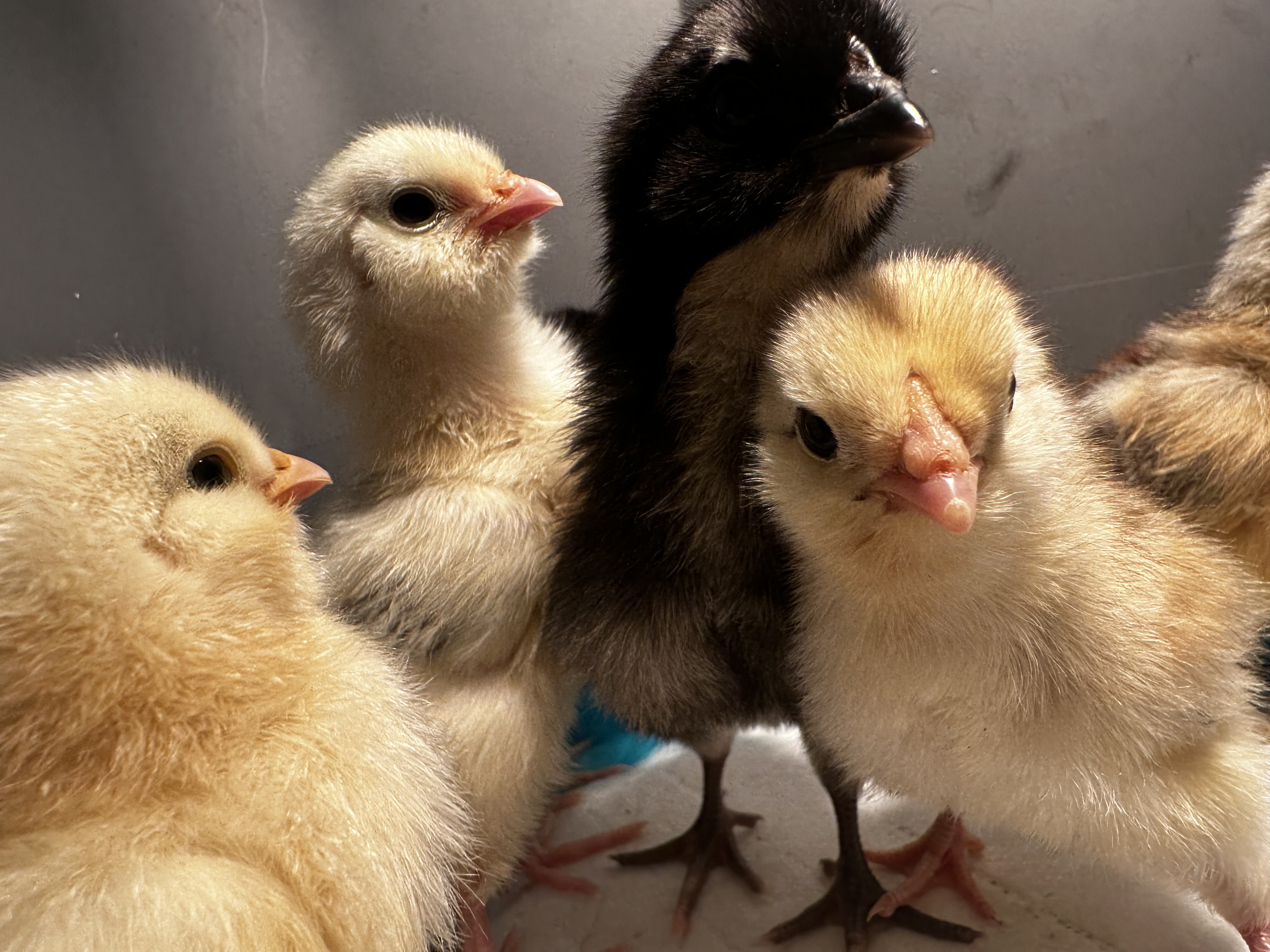
- Newly arrived chicks
- Cornish Cross meat birds
- Older chickens
- Turkeys
- Birds showing signs of stress
We typically offer electrolytes during the hottest stretches of weather rather than continuously year-round. Fresh, clean water is still the foundation, but electrolyte supplements can provide additional support when temperatures become dangerous.
One thing we have learned over the years is that cool water matters just as much as clean water. During a heatwave, waterers can become warm surprisingly fast sitting in the sun. We refresh water multiple times per day to keep it cool and appealing. Birds are far more likely to drink enough water when it stays fresh and cool.
Shade Is Non-Negotiable
Adequate shade is one of the biggest factors in keeping poultry safe during extreme heat.
Natural shade from trees is wonderful, but we also use tarps, coop overhangs, covered runs, and temporary shade structures to reduce direct sunlight exposure throughout the day. We pay special attention to afternoon sun, which is often the hottest and harshest part of the day.
One mistake we made early on was assuming that a coop alone provided enough protection. In reality, coops can become extremely hot and poorly ventilated during summer if airflow is limited.
Now, we focus heavily on ventilation and airflow by:
- Opening windows and vents
- Increasing air circulation
- Providing shaded outdoor access
- Avoiding overcrowding
- Using fans safely when necessary
Our chickens often spend the hottest hours quietly resting in shaded areas instead of actively foraging. During heatwaves, we let them conserve energy rather than encouraging activity.
Cool Treats Help Lower Body Temperature
One of the easiest and most enjoyable ways to help chickens during summer is by offering cool treats.
During major heatwaves, we regularly provide chilled fruits and vegetables with high water content. Some of our flock favorites include:
- Watermelon
- Cucumbers
- Frozen peas
- Lettuce
- Strawberries
- Cold corn
- Chilled zucchini
These treats provide hydration while encouraging birds to continue eating during periods when appetite naturally drops.
Sometimes we freeze treats into large ice blocks or shallow pans of water. The chickens peck at them slowly throughout the afternoon, helping them cool down while staying entertained.
Of course, treats should never replace balanced feed, but they can absolutely support hydration and comfort during dangerous heat.
Wading Pools Are a Summer Favorite
Our ducks think heatwaves are the greatest thing in the world.
As temperatures rise, we increase access to fresh water and shallow wading pools around the homestead. Ducks naturally cool themselves through water, and giving them opportunities to splash and submerge helps regulate body temperature dramatically.
Even chickens benefit from shallow cooling areas nearby. While most chickens are not interested in swimming, they often stand near cool water or damp soil to reduce heat stress.
We also frequently dump and refresh pools during heatwaves because standing water can heat up quickly in direct sunlight.
Timing Matters More Than You Think
One of the biggest changes we make during heatwaves is adjusting our schedule.
During cooler months, chores can happen almost anytime. In the summer, we become much more intentional. We try to complete the majority of heavy work:
- Early in the morning
- Later in the evening
- Avoiding peak afternoon heat
This helps both us and the animals avoid unnecessary stress.
Garden watering also shifts earlier in the day whenever possible. Watering during the hottest part of the afternoon often leads to rapid evaporation and less effective hydration for plants.
The Garden Needs Heat Protection Too
Heatwaves affect far more than livestock. Our garden can struggle tremendously during prolonged stretches of extreme temperatures.
Some of the biggest summer garden challenges include:
- Wilting plants
- Bolting lettuce and greens
- Blossom drop on tomatoes
- Dry soil
- Sunscald on vegetables
To help protect our crops, we focus heavily on mulch, deep watering, and moisture retention. Mulching around plants helps keep roots cooler while reducing water evaporation.
We also monitor plants carefully for signs of heat stress and harvest vulnerable crops quickly before quality declines.
Heatwaves Change the Rhythm of the Homestead
One thing homesteading has taught us is that every season requires adaptation. Summer heatwaves force us to slow down, pay closer attention, and become more proactive with animal care.
During the hottest weeks of the year, survival and comfort become the priority. The garden may not look perfect. The chickens may spend more time resting. Productivity may slow down a bit.
And honestly, that is okay.
Preparing the homestead for heatwaves is ultimately about stewardship. It is about recognizing that our animals rely on us to create safe environments during extreme weather conditions. Sometimes that means extra water runs, frozen treats, electrolyte refills, or hauling fresh wading pools in the middle of the afternoon.
It is extra work, but it is worth it every single time we see healthy, comfortable animals safely make it through another Virginia summer.
Final Thoughts on Preparing Your Homestead for Summer Heat
If you are facing a heatwave this summer, start preparing early. Focus on hydration, shade, airflow, and reducing stress wherever possible. Small adjustments can make a tremendous difference in the health and comfort of your flock.
Every homestead is different, but the goal remains the same: keeping animals safe, healthy, and comfortable during extreme temperatures.

Leave a Reply