
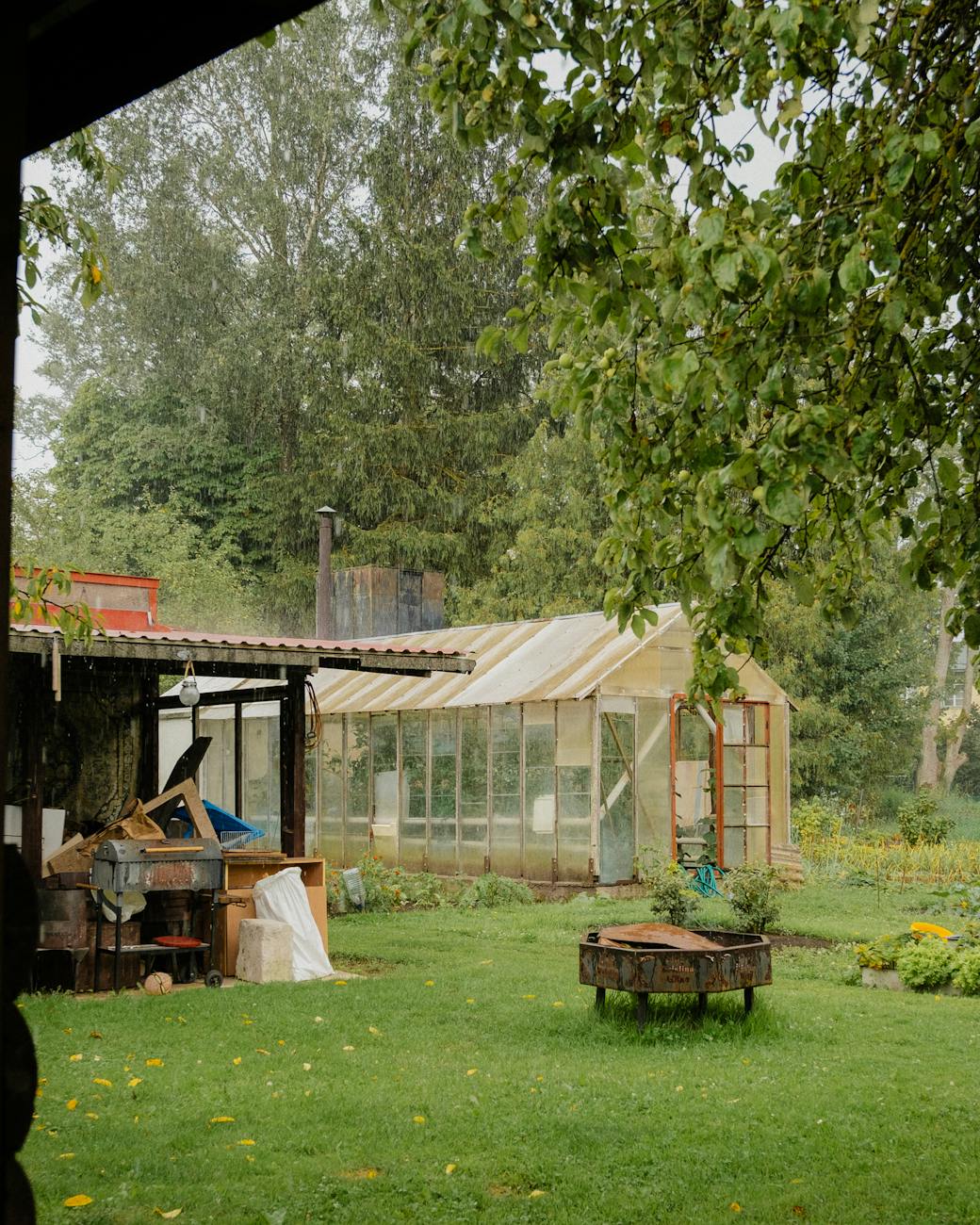
After this week’s heat wave, the forecast is calling for over a week of rain. The garden is going to love it! Here in Virginia, those long stretches of summer heat can leave gardens thirsty, livestock uncomfortable, and homesteaders anxiously watching the skies. So when the rain finally arrives, it feels like a gift.
Over the years, one thing that homesteading has taught us is that nature already provides so many of the resources we need — we just have to learn how to use them wisely. Rainwater harvesting is one of those simple but incredibly effective practices that can make a homestead more sustainable, resilient, and self-sufficient.
Whether you have a small backyard garden or a growing homestead with animals, orchards, and raised beds, collecting rainwater can reduce waste, lower utility costs, and help your property thrive during dry spells. Better yet, it is one of the most approachable sustainability projects for beginners because you can start small and expand over time.
Why Rainwater Harvesting Matters for Homesteaders
For many homesteaders, self-sufficiency is not about doing everything perfectly. It is about becoming a little less dependent on outside systems and a little more connected to the land.
Rainwater harvesting supports that goal beautifully.
Instead of relying entirely on municipal water supplies or wells, collected rainwater allows you to store water directly from nature for future use. During periods of drought or watering restrictions, having a backup supply of water can make a major difference in keeping gardens productive and animals comfortable.
Rainwater also tends to be naturally soft and free of many chemicals commonly found in treated tap water. Plants often respond incredibly well to rainwater because it contains fewer salts and additives than municipal water. After a good summer storm, you can practically watch the garden perk back up overnight.
For homesteaders focused on sustainability, rainwater harvesting also helps reduce runoff and erosion while conserving groundwater resources. Rather than allowing heavy rains to rush across driveways, ditches, and compacted soil, collecting some of that water gives it a useful purpose.
The Environmental Benefits of Collecting Rainwater
Rainwater harvesting is one of those rare homesteading practices that benefits both the individual property owner and the environment as a whole.
Collecting rainwater can help:
- Reduce stormwater runoff
- Decrease soil erosion
- Lower demand on municipal water systems
- Reduce energy usage associated with water treatment and pumping
- Support healthier gardens during dry periods
- Improve water conservation during heat waves and droughts
In many areas, stormwater runoff carries fertilizers, oils, and pollutants into local waterways. Capturing even a portion of rainfall can help reduce that environmental impact while putting the water to work where it is actually needed.
As unpredictable weather patterns continue to affect growing seasons, building systems that conserve water is becoming increasingly important for gardeners and homesteaders alike.
Rainwater Harvesting Systems for Every Homestead
One of the best things about rainwater harvesting is that there is no single “correct” setup. Systems can range from a simple rain barrel under a gutter to large underground cisterns capable of storing thousands of gallons.
Rain Barrels
Rain barrels are often the easiest entry point for beginners. These systems collect water directly from roof gutters and store it in a barrel for later use.
Benefits of rain barrels include:
- Affordable startup costs
- Easy installation
- Ideal for small gardens
- Great for suburban homesteads or backyard gardeners
A single rainstorm can fill a barrel surprisingly quickly, especially during Virginia’s summer storms.

Intermediate Storage Tanks
For larger gardens or expanding homesteads, above-ground storage tanks offer much greater capacity than traditional barrels.
These systems can support:
- Larger vegetable gardens
- Greenhouse watering
- Orchard irrigation
- Livestock watering systems
Many homesteaders connect multiple tanks together to increase capacity over time.
Underground or Large Cistern Systems
Large cisterns are ideal for serious water storage needs and can hold thousands of gallons.
These systems are often used for:
- Whole-homestead irrigation
- Emergency water reserves
- Off-grid applications
- Large-scale gardening operations
Although more expensive upfront, cistern systems provide significant long-term water security.
Choosing the Right Rainwater Collection System
The best system depends on your property size, rainfall patterns, budget, and water usage goals.
Here are a few questions to ask yourself before starting:
- How much roof space do you have available for collection?
- How much water do you realistically need?
- Will the water primarily support gardens, animals, or household tasks?
- Do you need seasonal storage or year-round reserves?
- How much space do you have for tanks or barrels?
For many homesteaders, starting small is the smartest approach. A simple barrel system allows you to learn what works before investing in larger infrastructure.
Filtration and Safety Considerations
While rainwater can be incredibly useful, it is important to remember that collected water may contain debris, bacteria, pollen, or contaminants from roofing materials.
Basic safety measures include:
- Installing gutter guards or leaf screens
- Using first-flush diverters to discard the initial dirty runoff
- Cleaning gutters regularly
- Keeping storage containers sealed to prevent mosquito breeding
- Using filtration systems if water will be used beyond irrigation
For most homesteaders, harvested rainwater is best suited for:
- Watering gardens
- Irrigating fruit trees
- Cleaning tools
- Washing equipment
- Watering ornamental plants
If rainwater will be used for drinking or household consumption, additional purification and filtration methods are essential.
Smart Ways to Use Harvested Rainwater
Once you begin collecting rainwater, you quickly realize just how many uses there are around the homestead.
Some practical ways to integrate rainwater into everyday life include:
- Watering raised beds and container gardens
- Irrigating greenhouses
- Supplying drip irrigation systems
- Watering fruit trees and berry patches
- Cooling pathways and dusty areas during extreme heat
- Cleaning gardening tools or outdoor equipment

Using harvested water strategically during dry periods helps stretch your primary water supply much further.
Drip irrigation systems pair especially well with rainwater harvesting because they deliver water slowly and efficiently directly to plant roots.
Maintaining a Rainwater Harvesting System
Like most homestead systems, rainwater collection requires occasional maintenance to stay effective.
Routine upkeep should include:
- Cleaning gutters and downspouts
- Inspecting barrels or tanks for leaks
- Removing sediment buildup
- Checking screens and filters
- Ensuring lids remain secure
- Monitoring for algae or mosquito activity
The good news is that most maintenance tasks are simple and only need to be done periodically.
A well-maintained system can last for many years and continue saving water season after season.
Common Rainwater Harvesting Challenges
Rainwater harvesting is incredibly rewarding, but it is not without challenges.
One of the most common struggles is inconsistent rainfall. Some seasons bring excessive rain while others bring prolonged drought. This makes storage capacity especially important.
Another challenge is balancing collection with available space. Larger systems require room for tanks, plumbing, and overflow management.
Mosquito control can also become an issue if barrels are left uncovered or poorly sealed.
Fortunately, most of these problems have straightforward solutions:
- Expand storage gradually
- Install proper screens and sealed lids
- Use overflow systems to redirect excess water
- Elevate barrels for improved water pressure
- Combine multiple smaller systems if space is limited
Like many aspects of homesteading, rainwater harvesting often improves through trial and error.
Understanding Local Rainwater Collection Laws
Before building a large rainwater harvesting system, it is important to check local and state regulations.
In many states, including Virginia, rainwater harvesting is generally allowed and encouraged for conservation purposes. However, local ordinances or HOA restrictions may still apply depending on your location.
Some areas may regulate:
- System size
- Potable water use
- Plumbing connections
- Mosquito prevention requirements
- Overflow drainage
Checking county extension offices or local government resources can help ensure compliance before investing in larger systems.
Building a More Resilient Homestead
Rainwater harvesting is about more than saving water. It is about building resilience into the homestead.
Every barrel collected, every tank filled, and every garden watered from the sky represents one more step toward sustainability and self-sufficiency. It creates a deeper awareness of seasonal cycles and reminds us how connected we are to the environment around us.
After a week of scorching temperatures, this coming stretch of rain feels especially welcome. The garden will soak it in, the animals will enjoy cooler temperatures, and the homestead will breathe a little easier.
And with a thoughtful rainwater harvesting system in place, some of that rain can continue supporting the homestead long after the storm clouds pass.


Leave a Reply