
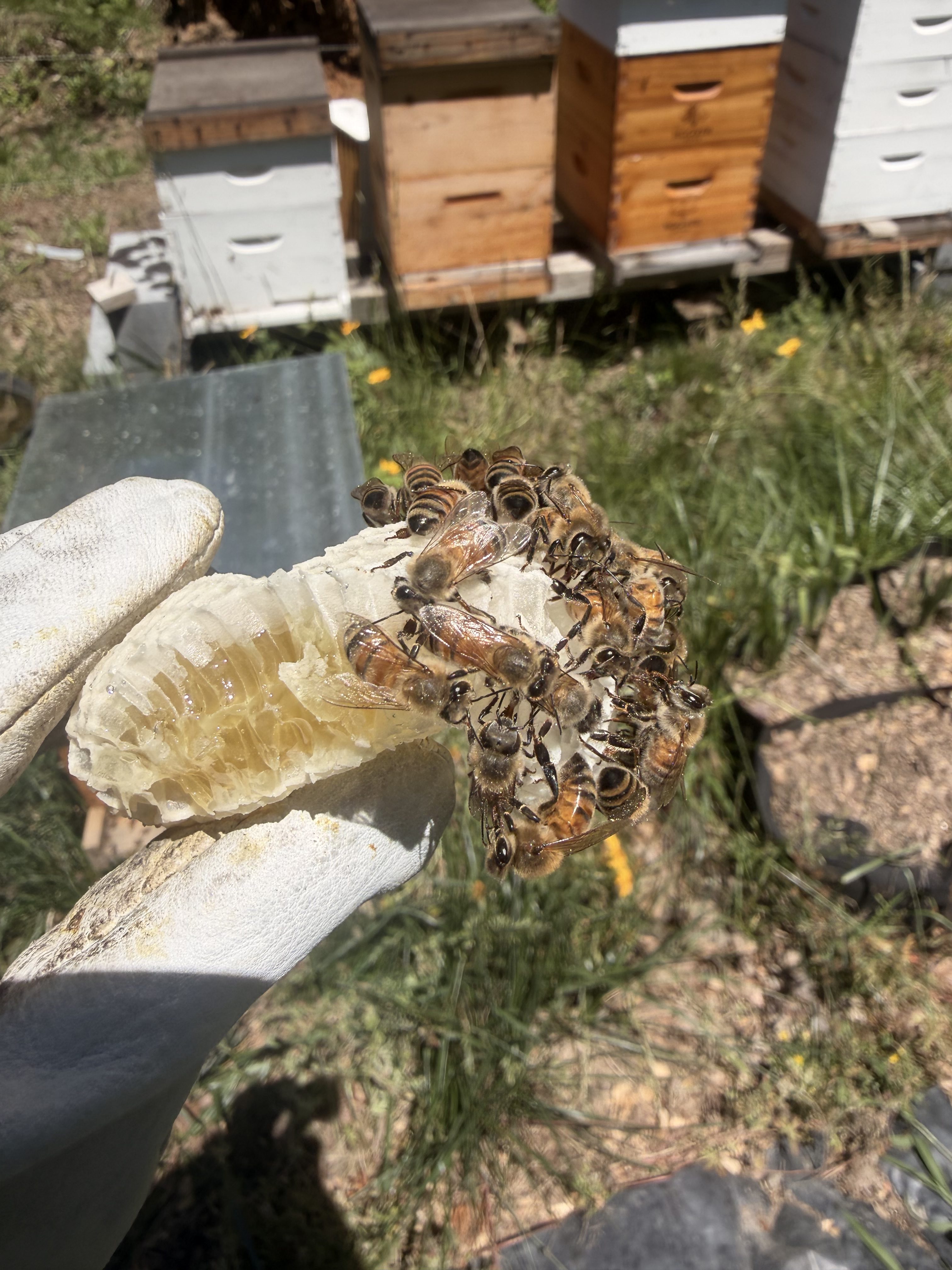
Backyard beekeeping has become one of the most rewarding additions to modern homesteads. Whether you are growing vegetables, maintaining fruit trees, raising livestock, or simply looking for a deeper connection to nature, honey bees offer benefits that extend far beyond a jar of fresh honey. At J & J Homestead, our journey into beekeeping started with a couple of hives and a desire to support pollinators. What we quickly discovered was that bees contribute to nearly every aspect of the homestead, from improving garden productivity to creating opportunities for learning, relaxation, and self-sufficiency.
If you have ever considered adding bees to your homestead, here are some of the most compelling reasons why backyard beekeeping may be one of the best investments you can make.
Beekeeping Supports Mental Wellness and Reduces Stress
One of the most surprising benefits of beekeeping is the positive impact it can have on mental health. In today’s fast-paced world, many homesteaders are searching for ways to slow down, reconnect with nature, and reduce stress. Spending time around a bee yard encourages exactly that.
Working bees requires patience, observation, and calm movements. As you inspect a hive, your attention becomes focused entirely on the colony’s activity. The gentle hum of thousands of bees at work can be remarkably calming, creating an experience that many beekeepers compare to a form of mindfulness.
Many homesteaders find that checking on their bees becomes a favorite part of their routine. Even after a challenging day, spending a few minutes watching bees gather pollen and nectar can help clear the mind and restore a sense of peace.
Beekeeping also provides a rewarding sense of purpose. Caring for a living colony, monitoring its health, and watching it thrive creates a meaningful connection with the natural world that many people find deeply satisfying.
Encourages More Time Outdoors and Physical Activity
Homesteading naturally promotes an active lifestyle, and beekeeping adds another enjoyable outdoor activity to your routine.
While beekeeping is not physically demanding compared to farming or livestock management, it does encourage regular movement. Inspecting hives, assembling equipment, harvesting honey, and maintaining bee yards all involve light physical activity that gets you outside and moving.
Even simple tasks such as observing bee behavior, monitoring forage sources, or planting pollinator-friendly flowers encourage homesteaders to spend more time outdoors. Increased exposure to fresh air and sunshine contributes to overall physical wellness and can help support healthy vitamin D levels.
For many people, beekeeping becomes an enjoyable excuse to spend more time outside appreciating the changing seasons and observing nature up close.
The Health Benefits of Honey and Bee Products
One of the most obvious rewards of beekeeping is access to fresh, local honey. Unlike heavily processed commercial honey, raw honey retains natural enzymes, antioxidants, and beneficial compounds that many people value as part of a healthy lifestyle.
Many homesteaders enjoy using local honey as a natural sweetener in baked goods, tea, and homemade recipes. Raw honey has long been appreciated for its soothing qualities, particularly during cold and allergy seasons.
Beyond honey, bees produce several other valuable products:
- Beeswax can be used for candles, lip balms, lotions, and salves.
- Propolis is valued for its natural antimicrobial properties.
- Royal jelly and pollen are often incorporated into wellness products and supplements.
While these products should not be viewed as replacements for medical treatment, they offer additional opportunities for homesteaders interested in natural living and self-sufficiency.

Bees Strengthen Local Ecosystems
One of the greatest contributions bees make is their role as pollinators. Pollination is essential for many flowering plants, fruits, vegetables, and wild species to reproduce successfully.
When you maintain healthy bee colonies, you are supporting a larger ecosystem that depends on pollinator activity. Bees visit thousands of flowers every day, helping plants produce seeds and fruit while promoting healthy plant populations.
This pollination activity supports biodiversity by helping a wide variety of plants thrive. In turn, those plants provide food and habitat for birds, butterflies, beneficial insects, and countless other wildlife species.
A healthy bee population contributes to a healthier and more resilient environment for everyone.

The Perfect Partnership Between Bees and Gardens
For gardeners, bees may be the most valuable workers on the homestead.
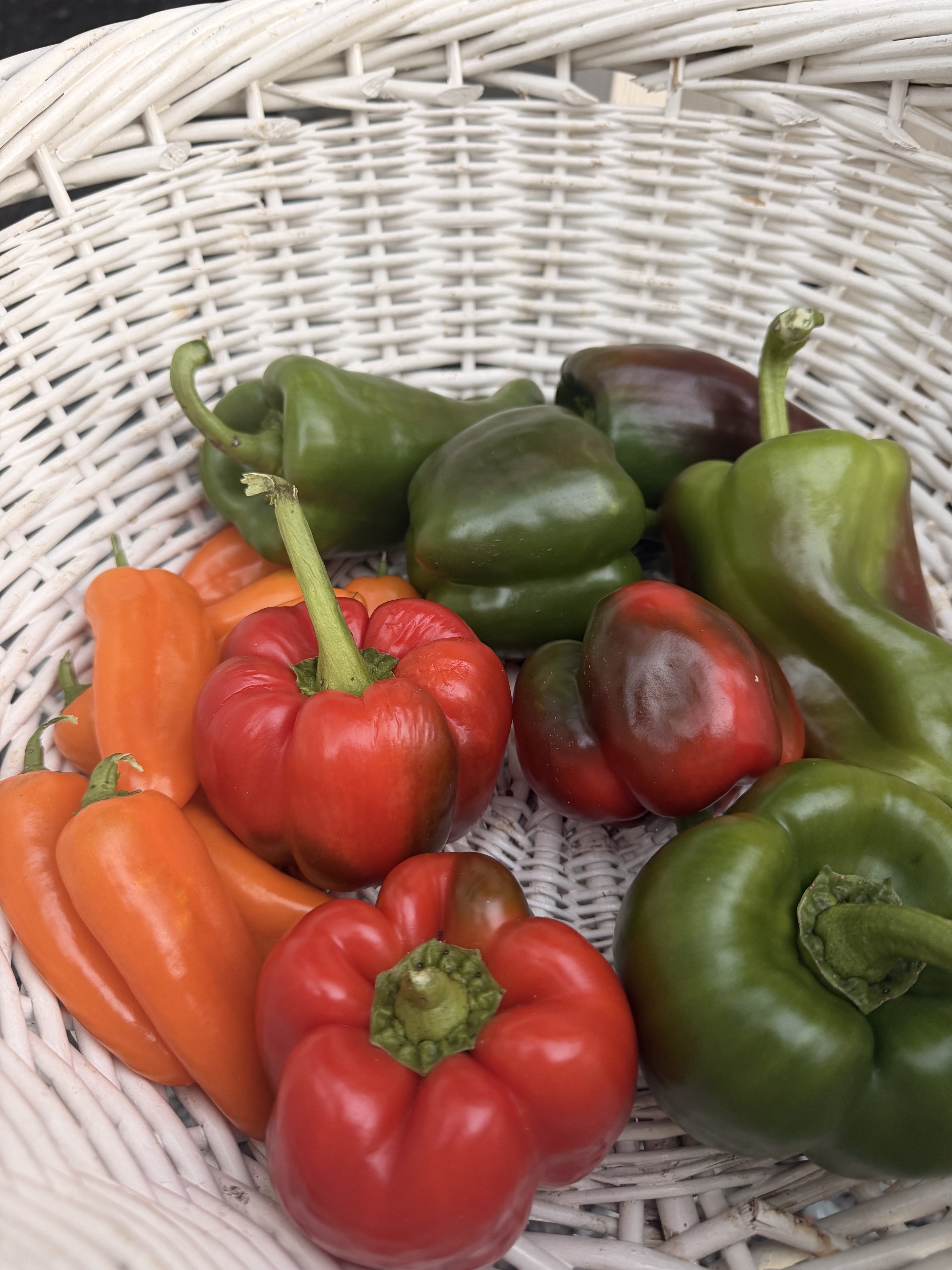
Many of the crops commonly grown in backyard gardens depend heavily on pollination. Tomatoes, peppers, cucumbers, squash, pumpkins, melons, berries, and fruit trees all benefit from pollinator activity.
As bees travel from flower to flower collecting nectar and pollen, they transfer pollen between blossoms, increasing the likelihood of successful fruit development. This natural process improves both the quantity and quality of many crops.
The relationship between bees and gardens is truly symbiotic. Garden plants provide nectar and pollen for the bees, while bees help the plants reproduce and produce food. Each benefits the other.
Many beekeepers notice increased activity throughout their gardens after establishing hives nearby. Flowers appear more productive, fruit set improves, and overall garden performance often becomes more consistent.
Increased Crop Yields and Better Food Production
One of the most practical benefits of backyard beekeeping is improved food production.
Research consistently shows that effective pollination increases yields for many fruits and vegetables. Better pollination often results in:
- Larger harvests
- More uniform fruits and vegetables
- Improved fruit quality
- Better seed production
- Increased garden productivity
For homesteaders focused on growing food, this can have a significant impact. Whether you are producing vegetables for your family, preserving food for winter, or selling produce at a farmstand, strong pollinator populations help maximize the return from your garden space.
Even a small apiary can make a noticeable difference in the productivity of nearby crops.
An Opportunity to Build Greater Self-Sufficiency
Many homesteaders pursue self-sufficiency as a way of life, and beekeeping fits naturally into that goal.
A thriving hive can provide honey, beeswax, pollination services, and opportunities to expand your apiary through hive splits. Some homesteaders eventually sell honey, beeswax products, queens, nucs, or pollination services, creating additional income streams.
At the same time, maintaining bees teaches valuable skills in animal husbandry, observation, problem-solving, and environmental stewardship.
Each season offers new lessons and opportunities to become more connected to the natural systems that support food production.
At its heart…
Backyard beekeeping offers far more than fresh honey. It promotes mental wellness, encourages time outdoors, supports biodiversity, improves garden productivity, and helps create a more resilient homestead ecosystem.
For homesteaders looking to deepen their connection with nature, bees provide an incredible opportunity to become active participants in one of the most important ecological relationships on earth. Whether your goal is better harvests, greater self-sufficiency, or simply enjoying the peaceful hum of a thriving hive on a summer afternoon, beekeeping delivers rewards that extend far beyond the hive itself.
If you’ve been thinking about starting your first hive, there has never been a better time to learn. Your garden, your ecosystem, and perhaps even your peace of mind may thank you for it.

Leave a Reply