
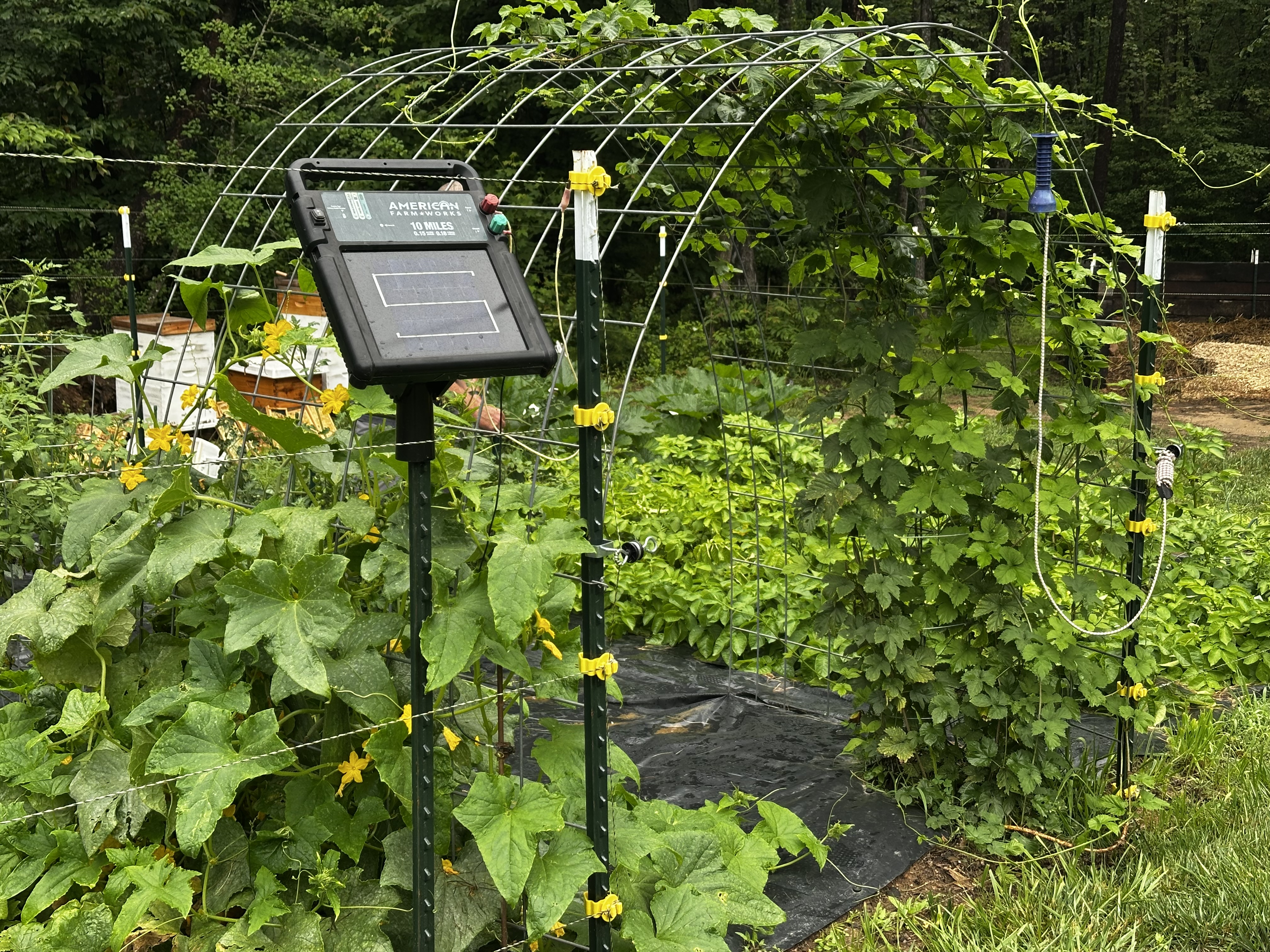
If you’ve spent any time on social media lately, you’ve probably noticed that homesteading is everywhere. Beautiful gardens overflowing with vegetables, baskets of fresh eggs, homemade bread cooling on the counter, and smiling families living a seemingly simple life. While there is certainly beauty in homesteading, there are also many misconceptions that can discourage people from getting started.
One of the biggest lessons we’ve learned at J & J Homestead is that homesteading doesn’t have to look perfect to be successful. In fact, some of the most rewarding parts of this lifestyle come from learning, adapting, and occasionally laughing at our mistakes.
Let’s take a closer look at five of the most common misconceptions about homesteading and what the reality actually looks like.
1. You Need a Lot of Land to Homestead
Perhaps the most common myth is that homesteading requires dozens of acres and a large barn full of animals.
The truth is that homesteading is more about mindset than acreage. Many people successfully practice what is often called “urban homesteading” by growing food in raised beds, keeping a few backyard chickens, preserving food, composting, and learning traditional skills on surprisingly small properties. Even apartment dwellers can participate by growing herbs indoors, baking from scratch, or learning food preservation techniques.
According to the University of New Hampshire Extension, homesteading encompasses a wide range of activities including gardening, food preservation, livestock raising, and self-sufficiency practices, regardless of property size. (I HIGHLY recommend their website as a resource, they have a number of articles to help homesteaders.)
At J & J Homestead, we’ve certainly expanded over time, but every homesteader starts somewhere. A single tomato plant can be the beginning of a much larger journey.
The important thing is that you start with the space you have—not the space you wish you had.
2. Homesteading Means Being Completely Self-Sufficient
Many people believe that a “real” homesteader produces everything they consume and never visits a grocery store.
In reality, very few modern homesteaders are completely self-sufficient. Even historical homesteaders relied on trade, community support, and purchased goods. Today’s homesteaders often focus on producing a portion of their food, reducing expenses, learning useful skills, and becoming more intentional consumers.
The goal is usually increased self-reliance, not total independence. Historically, homesteading has often involved producing a significant portion of a family’s food needs rather than 100% of them.
We still buy groceries. We still make trips to the feed store. And that’s perfectly okay. Every egg collected, vegetable harvested, or loaf of bread baked from scratch is a step toward greater resilience.
3. Homesteading Saves a Ton of Money Immediately
Many newcomers are drawn to homesteading because they hope it will dramatically reduce their grocery bill.
While homesteading can absolutely save money over time, there are often significant startup costs. Gardens require tools, seeds, soil amendments, fencing, and irrigation. Chickens need coops, feed, bedding, and healthcare. Food preservation requires jars, dehydrators, pressure canners, or freezers.
The reality is that many homesteaders invest heavily upfront before seeing meaningful financial returns. The real value often comes from food quality, lifestyle satisfaction, skill development, and long-term sustainability rather than instant savings.
For us, some of the biggest rewards aren’t financial at all. There’s something incredibly satisfying about serving a meal that came directly from your garden or collecting eggs from chickens you’ve raised yourself.
Homesteading is often a long-term investment rather than a quick way to save money. It’s important to be prepared to make the investment.
4. You Must Know Everything Before You Start
Many aspiring homesteaders hesitate because they don’t know how to garden, raise chickens, preserve food, or repair equipment.
Here’s the secret: most homesteaders learned by doing.
Very few people begin their homesteading journey with all the answers. Most of us start with a single project, make mistakes, learn lessons, and gradually add new skills. The learning process never really ends.
Every season teaches something new. Weather changes. Crops fail. Animals surprise you. Equipment breaks. Those experiences become some of your best teachers.
Organizations like the USDA’s Cooperative Extension System exist specifically to provide research-based education and support for agricultural and self-sufficiency pursuits.
You don’t need expertise to begin. You gain expertise by beginning. We have learned so many things along the way; homesteading is humbling!
5. Homesteading Is a Picturesque Lifestyle All the Time
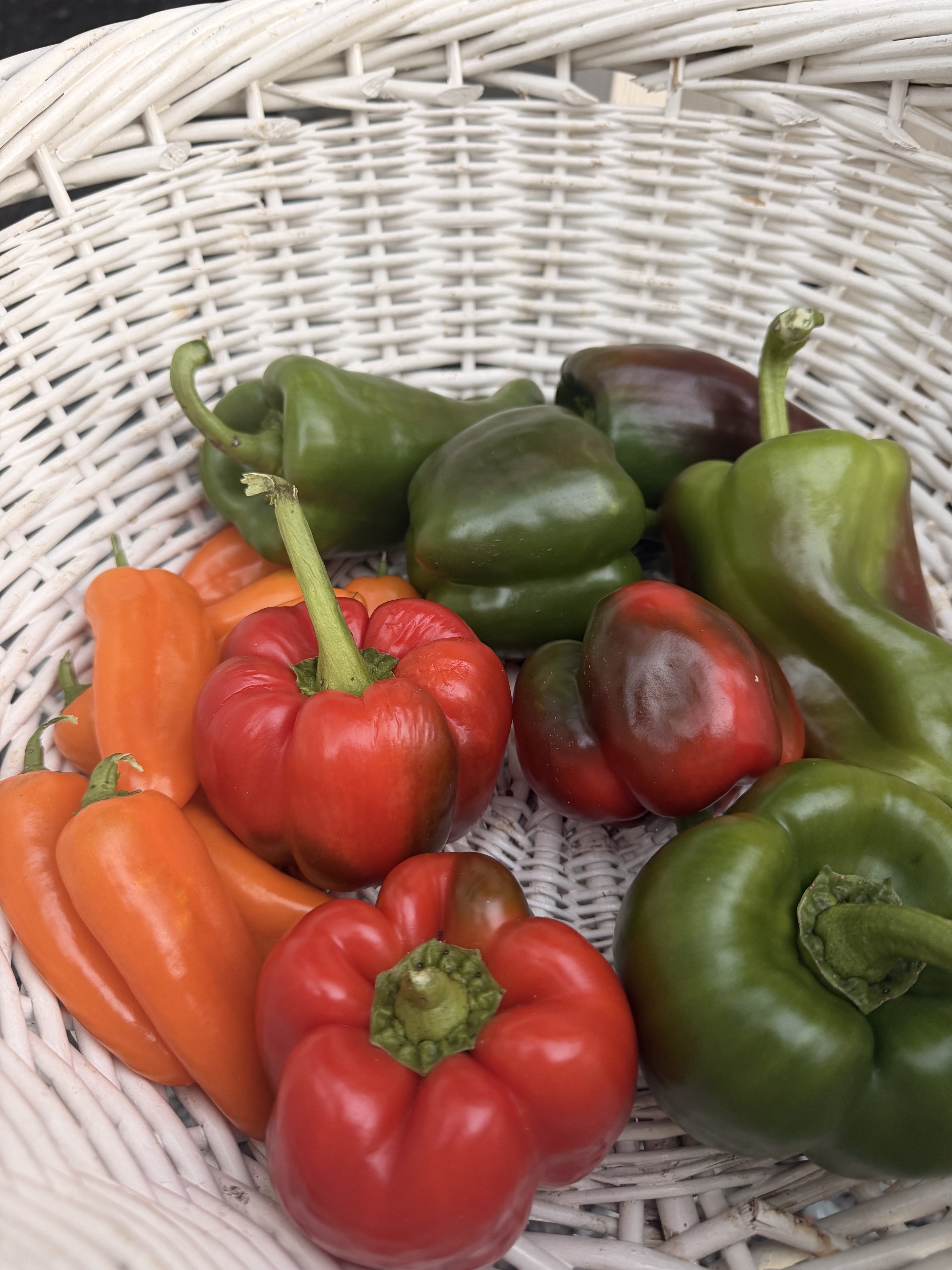
Social media often shows the highlight reel of homesteading: fresh bread, beautiful gardens, adorable baby chicks, and perfect harvest baskets.
What you don’t always see are the weeds, predator problems, failed crops, broken equipment, frozen water lines, scorching summer heat, and early-morning chores. And it seems that there’s always mud.
Homesteading can be incredibly rewarding, but it is also real work. Gardens don’t weed themselves. Chickens don’t take holidays. Tomatoes don’t care that you’re tired after work.
The beauty of homesteading isn’t found in perfection. It’s found in the satisfaction of solving problems, learning new skills, and building a lifestyle that aligns with your values.
The most successful homesteaders aren’t the ones with flawless farms. They’re the ones who keep going when things don’t go according to plan.
Homesteading is not about creating a picture-perfect life for social media. It’s about creating a meaningful one.
It’s Important to Remember
Homesteading isn’t reserved for people with hundreds of acres, unlimited free time, or generations of farming experience. It is a lifestyle built on learning, self-reliance, intentional living, and a willingness to start where you are.
Whether you’re growing herbs on a windowsill, collecting eggs from backyard chickens, preserving your first batch of tomatoes, or operating a farmstand like we do at J & J Homestead, you’re participating in the same tradition of taking a more active role in producing and caring for the things that sustain your family.
If there’s one thing I’ve learned, it’s that the perfect time to start homesteading doesn’t exist. The best time is simply now—with whatever space, skills, and resources you currently have.





Leave a Reply